Navigating Distress with DBT Skills
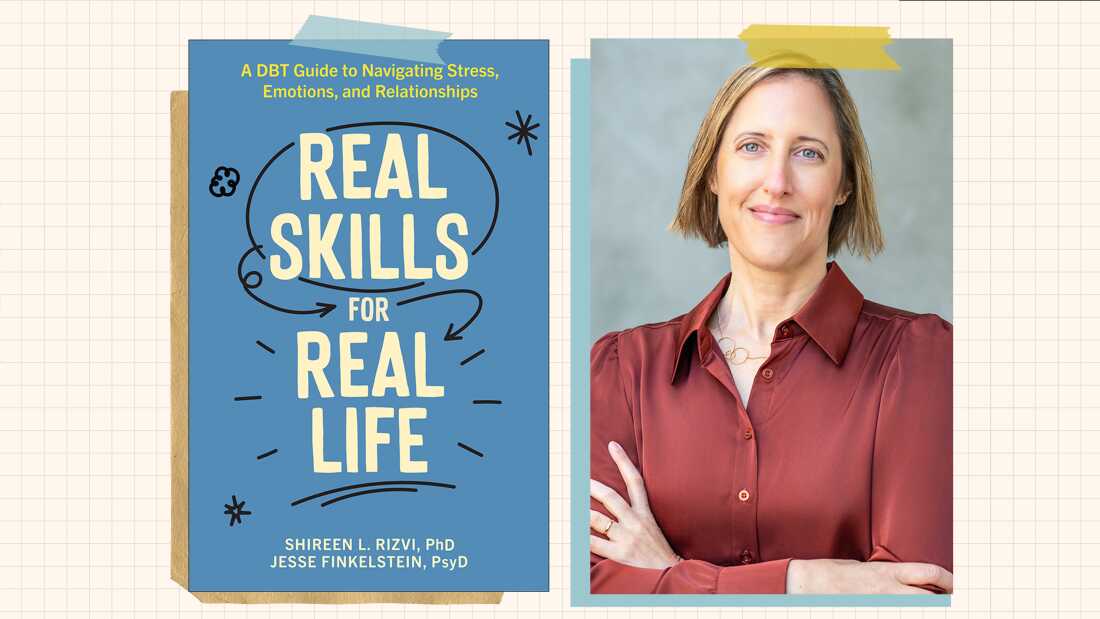
Shireen Rizvi, a professor of psychiatry and behavioral sciences, co-authored the book Real Skills for Real Life: A DBT Guide to Navigating Stress, Emotions, and Relationships. This guide, developed with clinical psychologist Jesse Finkelstein, employs diagrams and illustrations to teach skills from dialectical behavior therapy (DBT).
DBT, initially created by psychologist Marsha Linehan in the 1980s, addresses borderline personality disorder. Over time, studies have demonstrated its broader applicability across various mental health issues. Rizvi and Finkelstein emphasize that DBT skills benefit a wide audience beyond those with complex disorders.
Understanding TIP Skills
Rizvi, a board-certified DBT therapist, introduces the TIP method for intense distress. This stands for Temperature, Intense Exercise, Paced Breathing, and Paired Muscle Relaxation. These techniques help manage high emotional intensity, offering clarity and balance in trying situations.
Temperature: Cooling Down Quickly
Fill a bowl with ice water, take a deep breath, and submerge your face, eyes, and temples. Hold your breath and stay submerged as long as feasible.
This triggers the mammalian dive reflex, slowing heart and respiratory rates. It aids survival in mammals and can reduce distress. Note the potential risk for individuals with heart issues or on beta blockers.
Intense Exercise: Boosting Endorphins
Engage in activities like running stairs or doing jumping jacks. Sustain movement for at least 30 seconds.
This method seems paradoxical at first—elevating heart rates during stress—but exercise induces a calming effect as endorphins release.
Paced Breathing: Achieving Calm
Breathe in for four counts, exhale for six.
Paced breathing counters hyperventilation, slows heart rates, and reduces emotional intensity.
Paired Muscle Relaxation: Deep Relaxation
Tense each muscle group, then release, breathing in during tension and out during relaxation. Use calming words like “relax” as you exhale.
This technique enhances relaxation by contrasting tension with release.
The Nature of Intense Emotions
Rizvi highlights a common misconception that distressful emotions must be immediately resolved. In reality, such feelings subside over time. Recognizing this helps mitigate the pressure to eliminate distress instantly.
This article was refined by Meghan Keane with visual editing by CJ Riculan. We welcome feedback at 202-216-9823 or [email protected]. Discover more through Life Kit on Apple Podcasts and Spotify, and explore our updates on Instagram at @nprlifekit.