Negotiations on the Protect College Sports Act: Final Push for Agreement
Negotiations between the SEC and Big Ten over the ‘Protect College Sports Act’ were intense. The parties involved only had days to finalize an agreement before senators could vote on the legislation. Late-night discussions involved senators, the White House, and athletic conferences. They raced to reach a version that all parties could support.
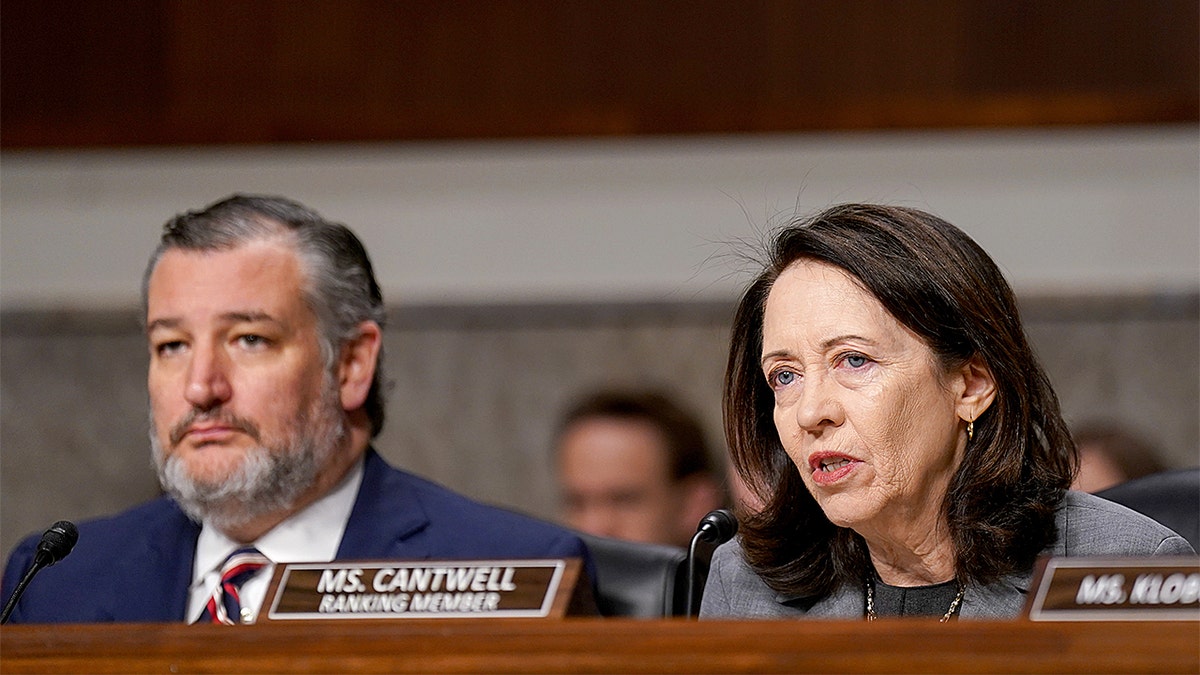
President Trump urged lawmakers to pass the act, holding phone calls and meetings over five months. Senators Ted Cruz and Maria Cantwell worked closely with Eric Schmitt to present a bipartisan bill. The agreement seemed impossible days before the final push.
Senator Cantwell expressed optimism, stating progress was made in protecting women’s and Olympic athletes. Schmitt added that the bill aimed to protect college sports for future generations. He highlighted the chaos in college sports caused by unlimited transfers and minimal eligibility rules.
Schmitt mentioned working with athletes and coaches to draft legislation supporting future athletes. He emphasized the need for common-sense guardrails that help universities generate new revenue.
The negotiations continued nationwide. Big Ten Commissioner Tony Petitti stayed in constant communication with conference officials while speaking frequently with SEC Commissioner Greg Sankey. Meetings and calls between conferences took place over a few days.
The August recess deadline pressured Senate Majority Leader John Thune. Initial plans seemed rushed, but bipartisan cooperation moved the act closer to a vote. On Friday, the SEC and Big Ten pledged support, allowing conference leaders to lobby their states’ senators.
White House officials and the President’s college sports committee contributed input. Notable figures like New York Yankees president Randy Levine and Texas Tech booster Cody Campbell were involved in the discussions. The urgency remained as summer recess loomed.
Drafting the bill included addressing NIL deals and ensuring revenue stream compliance. Discussions included prohibiting unauthorized donations from Multimedia Rights companies.
Key updates involved an attestation process for sponsors ensuring funds aren’t misused. Efforts to restrict the one-time transfer rule and a focus on tampering penalties were addressed. The legislation aimed to maintain a balance in intercollegiate athletics while preventing abuse of the system.
The new bill proposed a retention pool increase from $20 million to $22.5 million. It further imposed stricter caps and guidelines on NIL deals. Adding new teams to conferences limited Big Ten to one additional team and SEC to three.
For schools changing conferences, a five-year independent operation would deter conference poaching. This provision provided protection for Big 12 and ACC from the SEC or Big Ten’s expansion aspirations.
The bill’s urgency led to frequent calls and meetings with crucial figures. Senator Schmitt spoke to SEC’s Greg Sankey for resolution efforts, showcasing the bill’s significance.
Efforts to bring this legislation to the Senate floor continued. Majority Leader John Thune scheduled cloture for early next week, pushing the bill closer to a vote.
The Senate anticipated further talks over protections and antitrust exemption related to NIL deals. Fans eager for game season awaited legislation impacts while hoping for swift resolution.