New Definition of Shellfish Includes Cephalopods, Aiming to Improve Trade Regulations
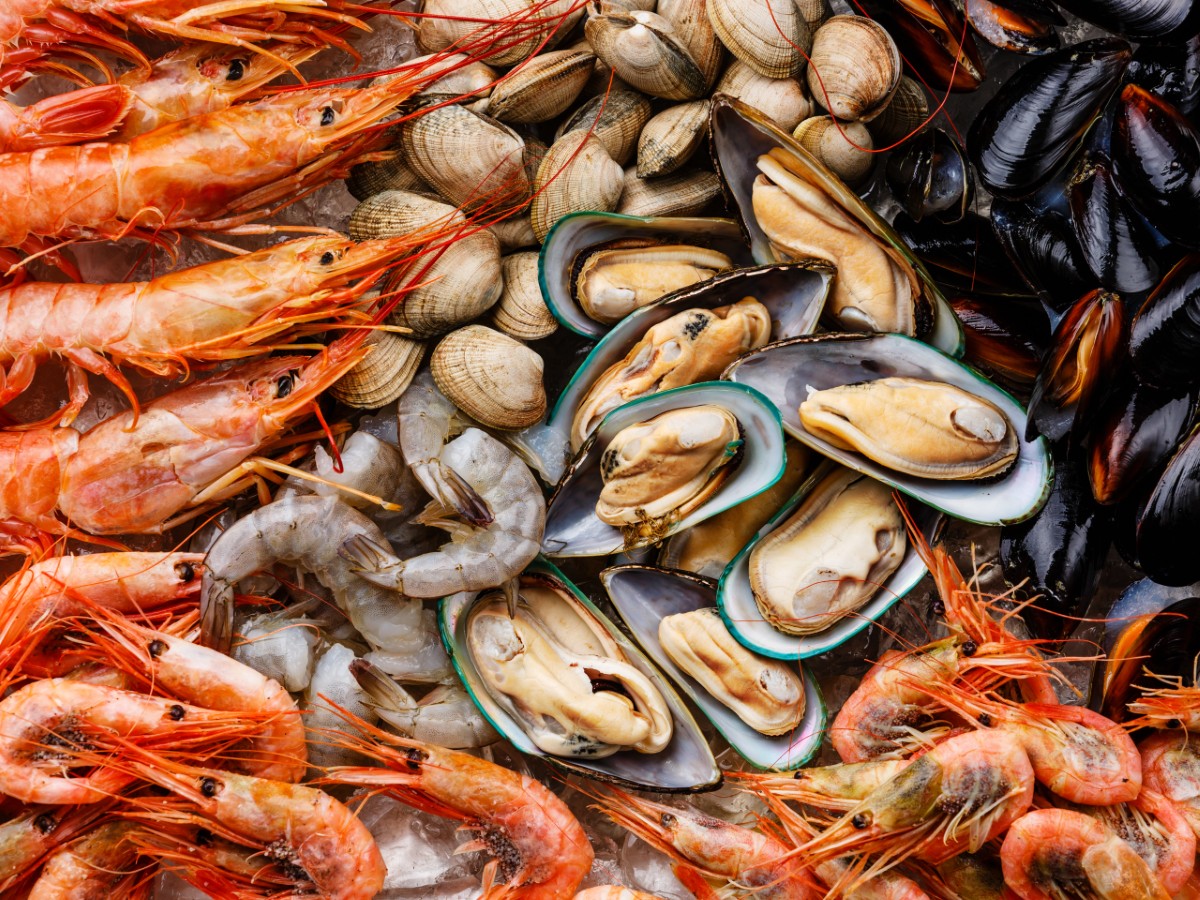
The U.S. Fish and Wildlife Service (FWS) has updated its definition of ‘shellfish’ in a significant regulatory change. Previously, the classification required an external shell for a species to qualify. However, the new rule removes that requirement, aligning with current science and industry practices.
Inclusion of Cephalopods
Published on June 23 in the Federal Register, the revised definition now includes cephalopods such as squid, cuttlefish, and octopus. This change addresses ambiguities about these species’ classifications, which have led to inconsistent treatment at U.S. ports.
The updated definition encompasses aquatic invertebrates within the group phylum Mollusca. This means it now includes species like oysters and clams along with cephalopods and crustaceans such as lobster, shrimp, and crab. The rule will take effect on July 23, 2026.
Impact on Trade and Regulation
The prior definition led to enforcement difficulties and inconsistent treatment of cephalopods. This has complicated import and export regulations. Industry groups have long called for clarity. In October 2025, the U.S. Small Business Administration’s Office of Advocacy highlighted the financial burdens faced by squid harvesters due to the old classification.
Squid exporters and importers have faced various fees, including a $93 inspection rate and a $100 license fee. Small businesses are less equipped to handle these costs compared to larger companies. The Office of Advocacy recommended coordination between the National Oceanic and Atmospheric Administration and FWS to classify squid accurately to eliminate unnecessary regulatory burdens.
The Mid-Atlantic Fishery Management Council also advocated for this change. They identified redundant and costly licensing and inspection requirements affecting U.S. squid producers, urging reclassification to avoid USFWS fees.
Relevance for Allergies
The revised rule, though regulatory, reflects clinical understanding of food allergies. Cephalopods, often associated with shellfish allergies, are included in medical literature as such, despite not having external shells. This regulatory update does not pose new allergy risks but clarifies labeling, trade terminology, and regulatory communications.
This change promotes a clearer understanding of these species from a classification and risk perspective. For individuals with shellfish allergies, it confirms existing medical knowledge and simplifies industry regulations.