New Home Prices at Lowest Since Pandemic amid Low Demand
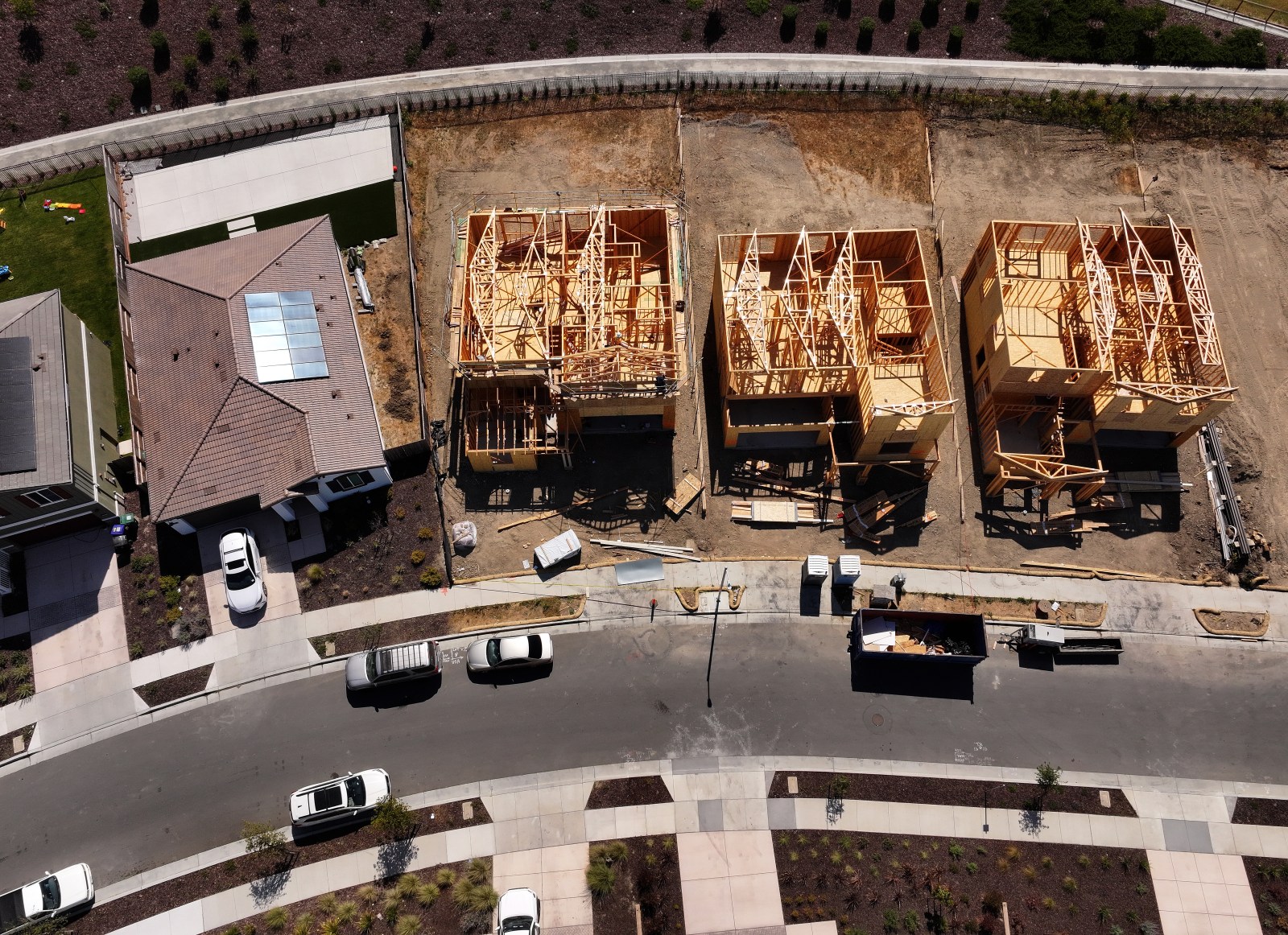
New homes are now at their lowest prices since the pandemic. Due to persistent low demand, homebuilders offer significant discounts to motivate hesitant buyers. Recent data from the U.S. Census Bureau and the Department of Housing and Urban Development reveal that in July, the median sales price for a new home dropped to $393,800, a 2.3% decrease from June’s $403,100 and a 0.9% decline from $397,300 the previous year. This represents the lowest pricing since July 2021, as monitored by Realtor.com.
Despite home prices rising about 30% nationwide since 2019, this is beneficial for prospective buyers. Currently, new homes are priced similarly to those during the pandemic’s buying surge and are cheaper than existing homes, which dominate the market listings. In July, the median price for existing homes was $434,100, substantially higher than that of new homes. This is a reversal from historical trends, making new homes more attractive as they are less likely to require expensive repairs.
Stubborn Supply-Demand Imbalance
Homes are less expensive, yet demand remains low. In July, the rate of new single-family home sales was seasonally adjusted to 607,000, marking a decrease of 10.5% from June’s 678,000 and 6.3% from the previous year’s 648,000. Inventory levels have increased, with 488,000 new homes for sale in July, a 1.9% rise from June and slightly below July 2025’s 496,000. Affordability challenges, increased mortgage rates, and living cost concerns are deterring both new and existing home sales.
As of late August, the 30-year fixed mortgage rate averaged 6.65%, sharply above earlier forecasts. The median existing home price rose year-over-year, landing at $434,100 in July 2026, up from July 2025’s $425,700, while sales declined by 1.7% from the prior month, with notable drops in the Midwest and South.
Regional Variations in Home Sales
New home sales patterns show regional differences. In the Northeast, sales hit yearly highs, increasing 30.3% month-over-month and 95.5% year-over-year. Conversely, the South experienced a 13% monthly drop and a 5.2% annual decrease. The Midwest faced even steeper declines, and the West saw modest increases.
The South’s oversupply results from extensive pandemic-driven construction, where demand faded due to higher borrowing costs and changing work dynamics. This increase in home options slows price growth, presenting more buyer choices but heightening builder competition.
In contrast, the Northeast still suffers housing shortages with continuous high demand. The Future of the Housing Market
The situation remains influenced by economic uncertainties, including the ongoing conflict in Iran. This uncertainty keeps affecting consumer confidence, maintaining affordability strains and limiting demand revival. Realtor.com predicts national home price growth will stay between 1% and 3% as regional divides persist. Selected Northeast and Midwest markets may thrive, whereas the South faces challenges due to its rich inventory and slower or declining price growth.