New Insights into Early Human Migration to North America
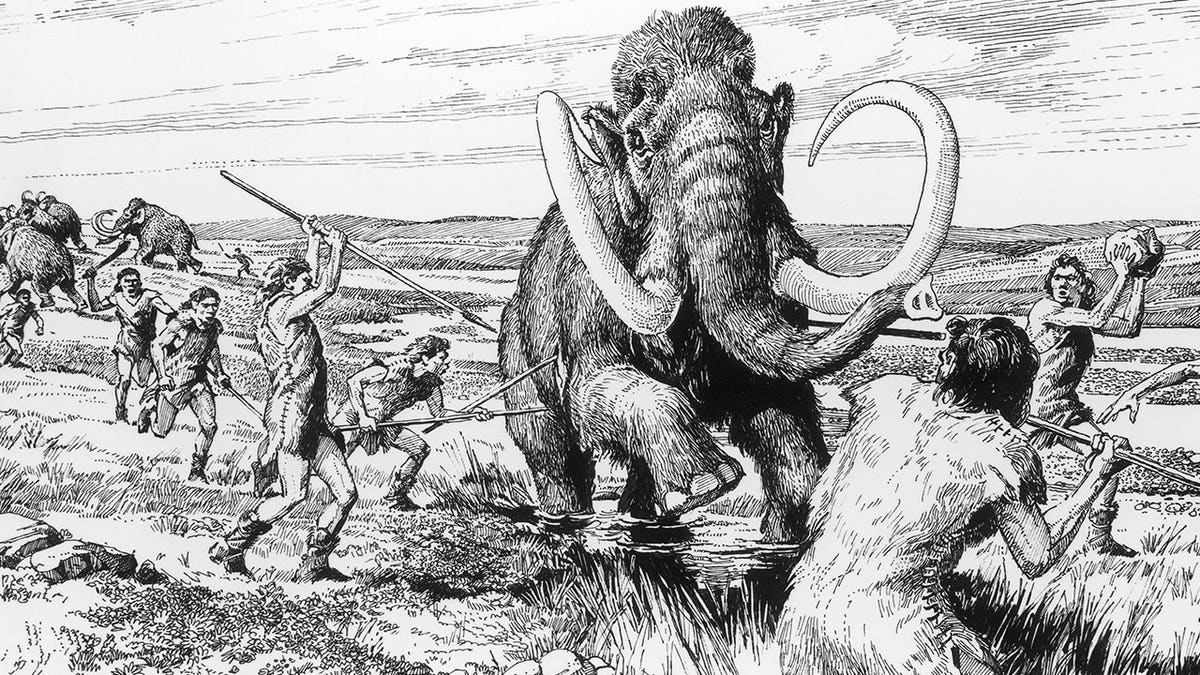
Researchers analyzing ancient DNA have clarified the timeline for early human migration into North America. This offers fresh insights into a question that has long puzzled scientists. A recent study, available online before its December 2026 publication in Current Opinion in Genetics & Development, examines genetic and archaeological evidence to determine when humans first arrived in the Americas.
Genetic data suggests that humans likely reached the Americas between 14,000 and 20,000 years ago. This is an adjustment from previous beliefs, which held that humans arrived around 13,500 years ago, a perspective known as “Clovis First.” Subsequent archaeological findings challenge this timeline, indicating an earlier arrival of humans thousands of years earlier.
Researchers review DNA and archaeological evidence to refine understanding of human migration.
The study, led by Bethany Potter and Savannah Hay from the University of Kansas, involved a review of ancient DNA and archaeological data, including 23,000-year-old footprints at White Sands National Park, New Mexico. These footprints hint that humans may have been in North America earlier than genetic evidence currently supports.
Potter and Hay suggest that early populations could include genetic lineages that remain unsampled or left no surviving descendants. Their work involved comparing ancient genetic data from human remains in Asia and the Americas to trace shared ancestries, revealing these early Indigenous populations split into distinct groups much earlier than previously thought. Some divergences occurred around 21,000 years ago.
The researchers also noted evidence that ancestral Native American populations split into northern and southern groups about 15,500 years ago, probably south of North America’s large ice sheets. This implies that these ancestors reached the continent before such a split occurred.
The longstanding “Clovis First” belief that humans arrived 13,500 years ago is questioned by these findings. Researchers highlighted that a small group of people might have initially entered the continents when they were empty of humans.
Ancient DNA continues to lead to breakthroughs in understanding historical populations.
While progress has been made, researchers acknowledge lingering uncertainties about the timing and locations of key divergence events among early populations. Ancient DNA not only sheds light on human migration but also plays a role in other archaeological revelations. For example, this summer, scientists discovered ancient sheep pox virus DNA in the York Gospels, a manuscript from England. Similarly, smallpox DNA found in mummies in Chile marks the first genetic confirmation of the disease in South America.