New Regulation Threatens Press Freedom
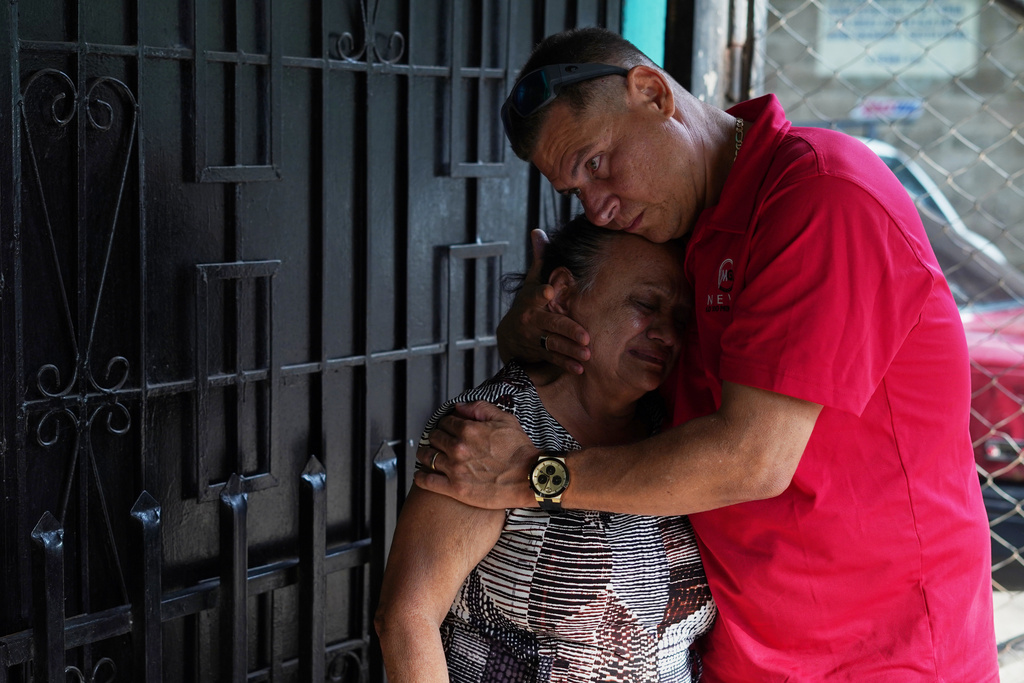
Salvadoran journalist Mario Guevara was deported from the United States, arriving in El Salvador on October 3, 2025. Recently, on July 17, 2026, the Department of Homeland Security introduced a significant regulation affecting foreign journalists in the U.S.
The new rule restricts their ability to work independently. It starts in 60 days and could lead to favoritism from the government towards certain journalists and retaliation against others. This could encourage other nations to act against American reporters.
Previously, journalist visas, known as I-visas, had no expiration. Now they will be limited to eight months, requiring regular re-application. This lack of clarity and stability puts foreign journalists in precarious positions.
Over the past few years, there have been several actions against press freedoms. These include legal actions against media outlets for certain coverages and restricted press access at key locations like the Pentagon. Most recently, subpoenas were served to New York Times reporters for releasing information about Air Force One.
The proposed rule’s main focus was on student and exchange visas, but also mentioned I-visas as secondary. Data cited by the administration suggested more I-visas were approved over the years, despite figures showing otherwise. No explanation was given for this change.
Many have criticized the regulation. Nearly 22,000 comments objected to the change. The Writers Guild of America East noted that it creates bureaucratic obstacles that could be misused to favor certain reporters over others. This implies censorship risks.
Recent incidents highlight these concerns. Mario Guevara, an award-winning journalist in Atlanta, was detained after commenting on a protest and deported after three months. Another journalist, Estefany Maria Rodriguez Florez, was arrested after reporting on ICE activities. Such actions contradict First Amendment protections, which apply to all individuals.
Similar actions abroad in response to U.S. policies have occurred. In 2020, China delayed visas for U.S. journalists after the U.S. restricted Chinese reporters. In 2024, Russia barred multiple U.S. journalists as retaliation for negative reporting.
Reporters Without Borders emphasized the need for fair and predictable visa processes to ensure reciprocal treatment for American journalists.
The regulation highlights U.S. governmental distrust toward journalists, who face severe dangers globally. Last year, 67 journalists were killed and many more detained or missing.
Congress must take steps to protect press freedoms. They should utilize their oversight powers to examine the regulation’s impact and consider legislation to prevent the rule’s implementation.
In 2021, after journalist Jamal Khashoggi’s murder, Senators Tim Kaine and Lindsey Graham introduced the International Press Freedom Act, aiming to expand protections for journalists. The bill made it to the Judiciary Committee but did not progress further.
Promoting a free press is essential. Failure to act could damage the U.S.’s reputation as a leader in press freedom. Congress must act to ensure journalists can work safely and independently.
Margy O’Herron and Dan Berger, both fellows at Cornell’s Migration and Human Rights Program, contributed to this analysis. Copyright 2026 Nexstar Media Inc. All rights reserved.