New York City’s Plan to Shut Down Rikers Island
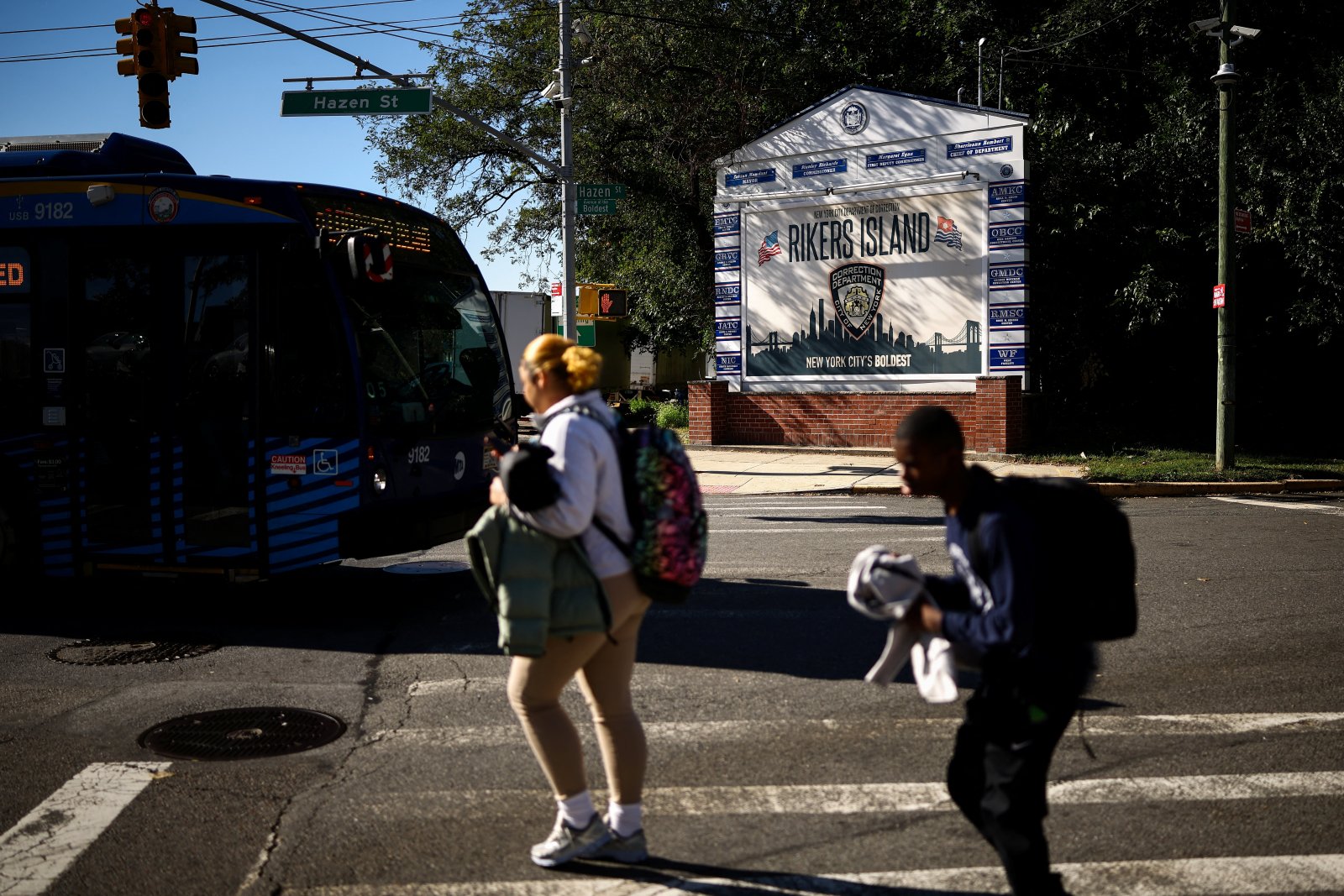
New York City Mayor Zohran Mamdani aims to close Rikers Island by reducing the city’s incarcerated population. The plan involves constructing four new jails with a capacity for 4,500, including 340 hospital-based therapeutic units. Currently, around 6,000 people are incarcerated, requiring a 38 percent reduction before Rikers closes in 2032.
The city’s strategic plan outlines four scenarios to reduce the jail population to around 4,100. This plan, according to Zachary Katznelson, executive director of the Independent Rikers Commission, marks progress toward a safer system, replacing Rikers, which he believes harms public safety.
Plans to close Rikers have been controversial for years. Advocates argue the site should have closed earlier, while prison guard unions and others raise concerns about safety. Donna Lieberman of the New York Civil Liberties Union emphasizes Rikers is under a legal mandate to close by 2027 and calls for a concrete plan to reduce the jail population and develop alternatives to incarceration.
Strategies to Reduce Incarceration
Diverting Low-Risk Individuals
The plan intends to avoid jailing certain low-risk individuals. Of the 20,000 people who pass through Rikers yearly, about 1,000 identified as low-risk could be diverted. This mainly includes those charged with Class C felonies or lower. The approach involves decreasing jail time for low-risk groups, particularly through alternative programs like substance abuse treatment.
Releasing Detained Individuals
Another strategy is releasing low-risk detainees, including those with Class B felonies, as well as higher-risk individuals needing further assessment or services. This section of the plan allocates $5 million annually to alternatives to incarceration programs, which reduce rearrests significantly. Cooperation with state agencies aims to expand these programs.
Accelerating Case Processing
Approximately 1,470 people remain detained pretrial for over a year. Delays in case resolutions contribute to population numbers. Changes are proposed that involve collaborating with judges, prosecutors, and defense lawyers to reduce case delays, aiming to cut around 800 from the jail population.
Reducing Re-admissions
An estimated 1,600 individuals, high-risk for repeated arrests, are identified for housing and mental health interventions. The plan seeks a reduction of repeat jail admissions by 30 percent for men and 50 percent for women, proposing employment programs as a part of this strategy.
Challenges and the Path Forward
While admissions reduced by 56 percent by 2025 compared to 2017, the jail’s population decreased only by 22 percent. The average stay increased to 102 days from 63 days. Katznelson identifies the length of case processing and mental health issues as core challenges inflating the population.
Under Mamdani’s plan, remaining detainees would move to four new borough jails. These facilities aim to offer improved conditions over Rikers. Katz and other district attorneys stress the importance of a functional, safe environment for all involved.
Mayor Mamdani’s plan, though promising, cannot succeed solely on City Hall’s efforts. The plan highlights the need for cooperation from district attorneys, judges, public defenders, and other agencies. Katznelson expresses optimism about working towards legislative measures that will guide the closure of Rikers, advocating clear benchmarks to ensure accountability and progress.