Nikole Hannah-Jones Reflects on School Choice Decisions
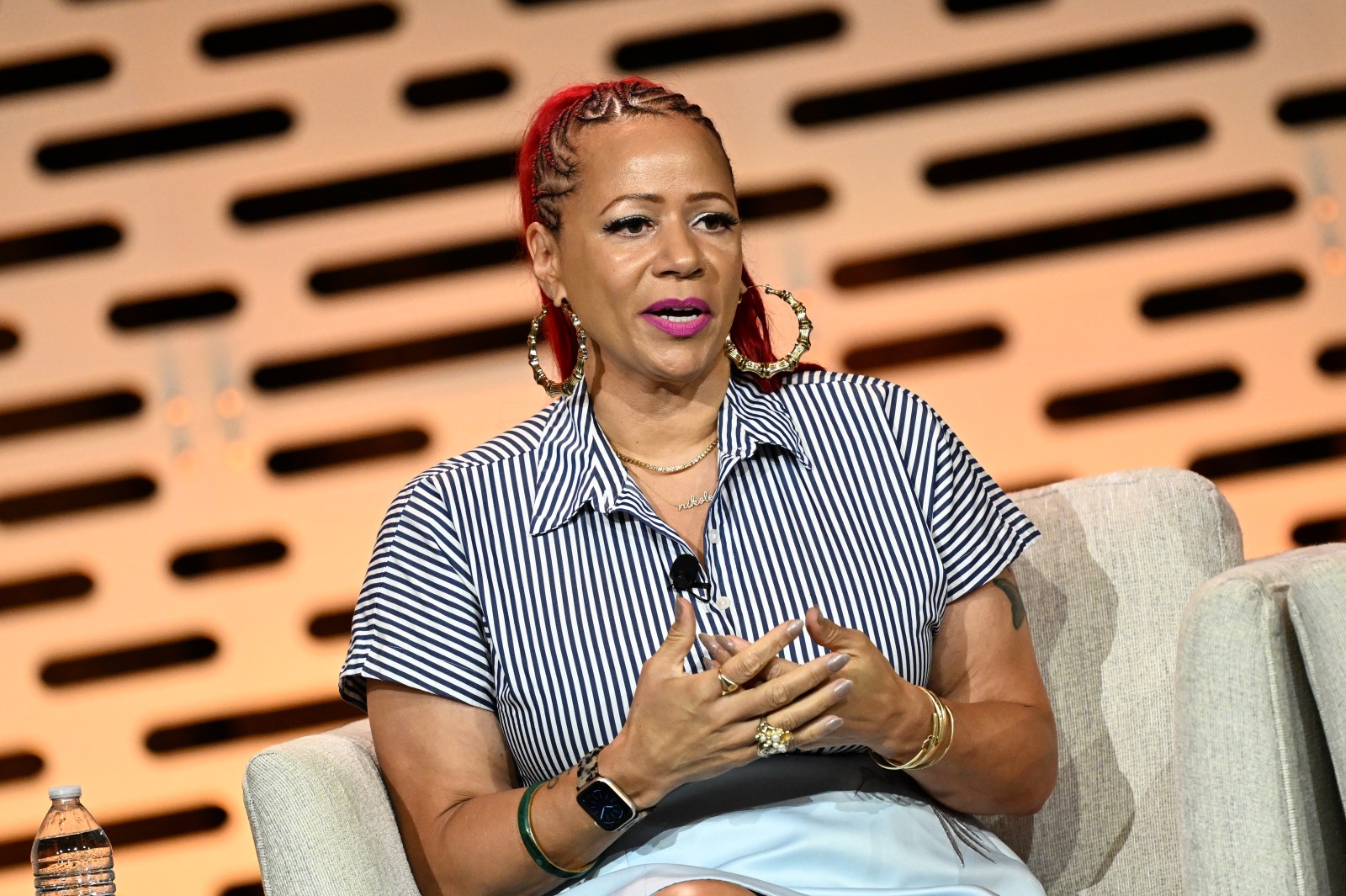
A decade ago, Pulitzer Prize winner Nikole Hannah-Jones, known for her work on The 1619 Project about the legacy of slavery in America, spotlighted school integration through a personal lens. She featured her daughter in The New York Times Magazine, questioning what choice to make for her own child’s education in the context of integrated schools. Hannah-Jones expressed her concerns about her decision, writing in 2016 that although she worried it might not be right, she believed it was just.
Hannah-Jones’s daughter, Najya, attended Public School 307, with a high percentage of Black and Latino students. Recently, Hannah-Jones revisited her decision in a magazine sequel and admitted potential mistakes. Newsweek reached out to her for comment.
Reflections on the Education Decision
Hannah-Jones confesses her school choice wasn’t just a failure but something she knew was flawed from the start. Despite awareness of issues, she continued, later feeling she hadn’t prioritized her daughter’s educational needs properly. Hannah-Jones admits, “I almost cannot type the words” when recalling her daughter’s struggles, signifying her deep regret.
Najya, though bright, could not pass essential exams, signaling educational gaps traced back to her elementary years. This reality came into focus when Najya asked her mother if she knew about the school’s inadequacies. Finding ungraded and incorrect assignments in her daughter’s folder only confirmed years of unmet educational needs. When Najya asked, “Did you know my school was bad like this when you decided to put me here?” it highlighted the gravity of the situation.
Upon realizing these shortcomings, Hannah-Jones kept her apology direct: “I acknowledge to you that I didn’t do the best for you, and I am so sorry.” Despite personal regret, she maintains that the broader issues of segregation and unmet educational needs for Black students persist.
Broader Implications and Backlash
The essay ignited discussions about progressive policies, referred to as “Woke 1.0,” a term popularized during the George Floyd protests and pandemic. Critics like Henry Mack and Maud Maron argued that Hannah-Jones’s experiences illustrate the lack of payoff from certain progressive educational policies. Maron, once interviewed by Hannah-Jones in 2016, highlighted perceived contradictions in Hannah-Jones’ approach.
Not all responses were critical. Some, like Monica Marks, lauded Hannah-Jones’s introspection for contributing to a necessary dialogue on education and individual priorities over broader activist goals.
Progressive Politics Reevaluated
The notion of “Woke 1.0” has seen national discourse as political figures revisit previous stances. Representative Alexandria Ocasio-Cortez noted a shift in rhetoric from the pandemic era, though she maintained the value of the underlying discussions.
This reassessment has influenced candidates across the Democratic spectrum. For instance, Abdul El-Sayed and others moved away from once-staunch positions like defunding the police. Such shifts propose that winning candidates may now focus more on core economic issues rather than identity-driven narratives.
The stance on transgender athletes is one highlighted issue. Recent polls reflect a significant public opinion favoring restrictions based on birth sex over gender identity.
With the ongoing debates shaping campaign narratives, Democratic candidates continue to balance past progressive ideals with current voter concerns and pragmatic approaches.