Nikole Hannah-Jones Reflects on School Choice for Daughter
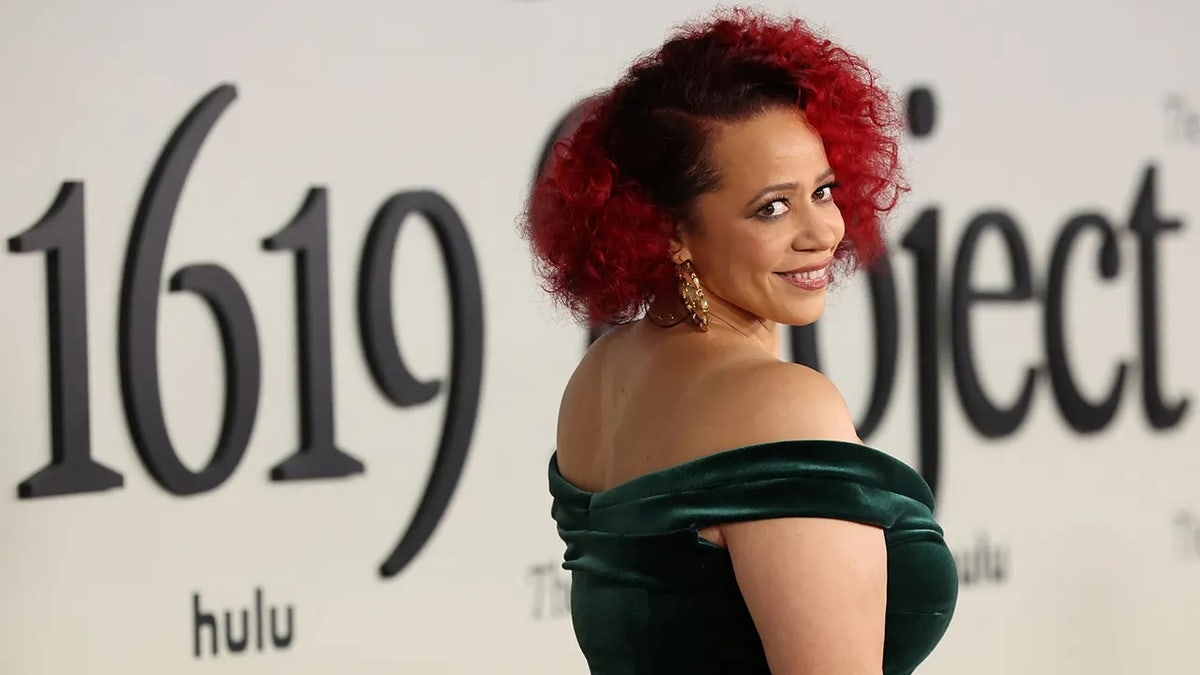
Nikole Hannah-Jones, known for her work on the 1619 Project at The New York Times Magazine, expressed regret about the decision to enroll her daughter in predominantly Black, high-poverty public schools in Brooklyn. Her daughter, now 16, revealed she did not receive the quality of education she desired. A decade earlier, Hannah-Jones had chosen these schools to challenge segregation.
In a new essay, Hannah-Jones revisited years of correspondence with teachers and school officials. She confronted feelings of regret, stating, “Najya deserved better.” She acknowledged failing to meet the educational needs of her only child.
Hannah-Jones emphasized the broader issue of limited educational choices for many families lacking resources. “I hope people concerned about our choice also consider the plight of thousands of Black children whose parents lack similar opportunities,” she said.
Corey DeAngelis, a fellow at The Heritage Foundation, responded by stressing the importance of prioritizing children’s individual education needs over ideology.
“Parents should put their children first,” DeAngelis stated. He welcomed Hannah-Jones into the “school choice revolution,” suggesting competition as a way to improve schools.
Hannah-Jones’ realization came during a conversation with Najya. She apologized to her daughter, saying, “I feel like you got cheated.” Najya wished her own education had been prioritized over broader ideals.
Najya described the education at her school as insufficient. Her former principal admitted that lowering expectations in the name of antiracism could backfire. Emily Paige acknowledged unintended consequences in their school approach.
Hannah-Jones previously believed enrolling middle-class children in segregated schools could foster improvement. Critics, however, argue that school choice could offer better options.
The debate occurs as New York considers school choice initiatives, facing opposition from teachers’ unions. These developments highlight ongoing discussions about educational inequality and access.