Nordic Countries Collaborate in Response to Russian Military Activity
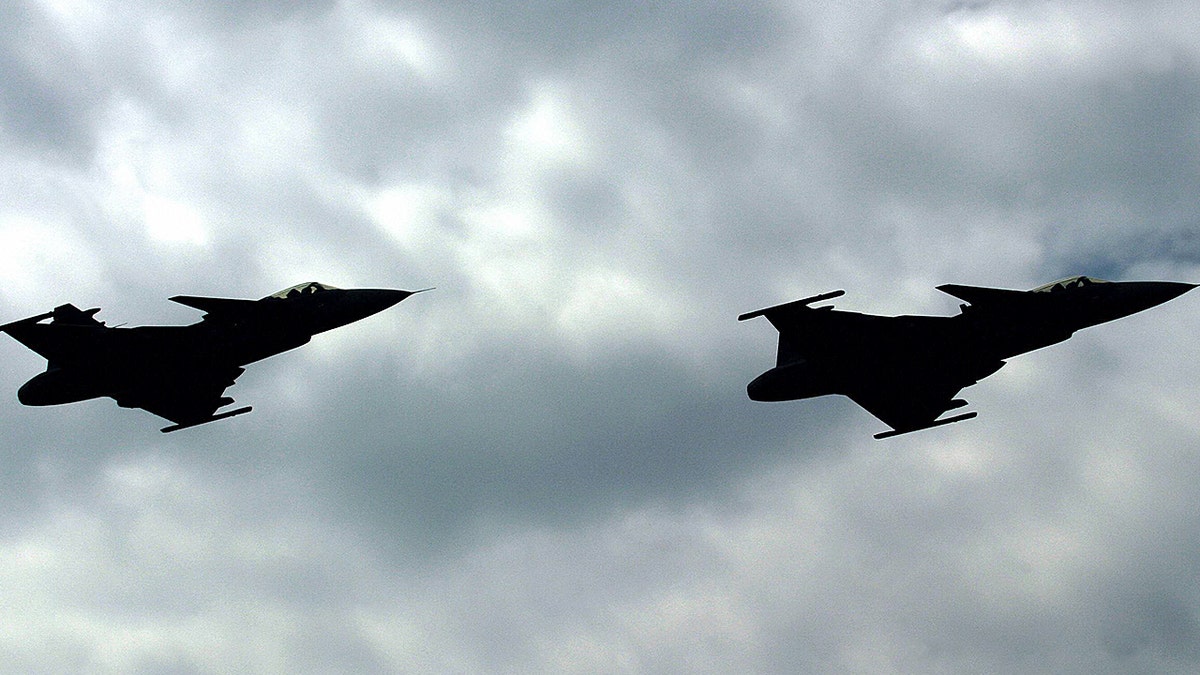
On September 24, Finnish and Swedish fighter jets responded to Russian military aircraft flying over the Gulf of Finland. For the first time, the jets were scrambled as part of Nordic defense cooperation, highlighting the growing tensions with Russia.
Finnish F/A-18 Hornets and Swedish JAS 39 Gripens took action after detecting Russian aircraft in international airspace. This operation reflects the increasing concern over Russian activity along NATO’s eastern border.
Russian aircraft included a Tu-134 transport plane, MiG-31 interceptors, and Su-30 multirole fighter jets. These aircraft are capable of both air-to-air and air-to-ground combat.
Major General Jonas Wikman of the Swedish Air Force emphasized the importance of the operation, noting that it was built on years of trust and cooperation between the nations. He underscored the seamless operation of Nordic air forces.
The escalation in Russian military activity has caused concern due to recent airspace violations. These have involved drones and helicopters entering the airspace of Poland, Romania, Moldova, and Estonia.
“This is what close cooperation looks like in practice,” said Maj. Gen. Jonas Wikman.
In Estonia, Defense Minister Martin Herem warned of a possible Russian attack within a year. Prime Minister Kristen Michal assured readiness to shut down border crossing points if needed.
Russian President Vladimir Putin has dismissed these warnings, stating no plans exist for military action against Europe. He described such warnings as political theatrics.
Estonia, strategically located across the Gulf of Finland from Finland, plays a crucial role in NATO’s defense strategy. Finland joined NATO as its 31st member in April 2023, and Sweden followed in March 2024. Estonia has been part of NATO since 2004.
The Baltic Sea region remains alert following incidents involving gas pipelines, sabotage, and hybrid threats since Russia’s invasion of Ukraine in 2022.
NATO strengthens its eastern members against hostile activities like cyberattacks and airspace violations. The alliance’s military activities are defensive, ready to protect every member.
NATO Secretary General Mark Rutte emphasized the strong connection between the U.S. and Europe against potential Russian threats. He warned of a tough response if Russia acts aggressively.
European intelligence reports indicate that Russia could test NATO’s defense capabilities soon. Denmark expects Moscow to intensify its hybrid campaign against Western countries.
The possibility of a large-scale Russian invasion of a NATO member remains unlikely, but cannot be ruled out.