Pentagon Expands List of Chinese Firms Tied to Military
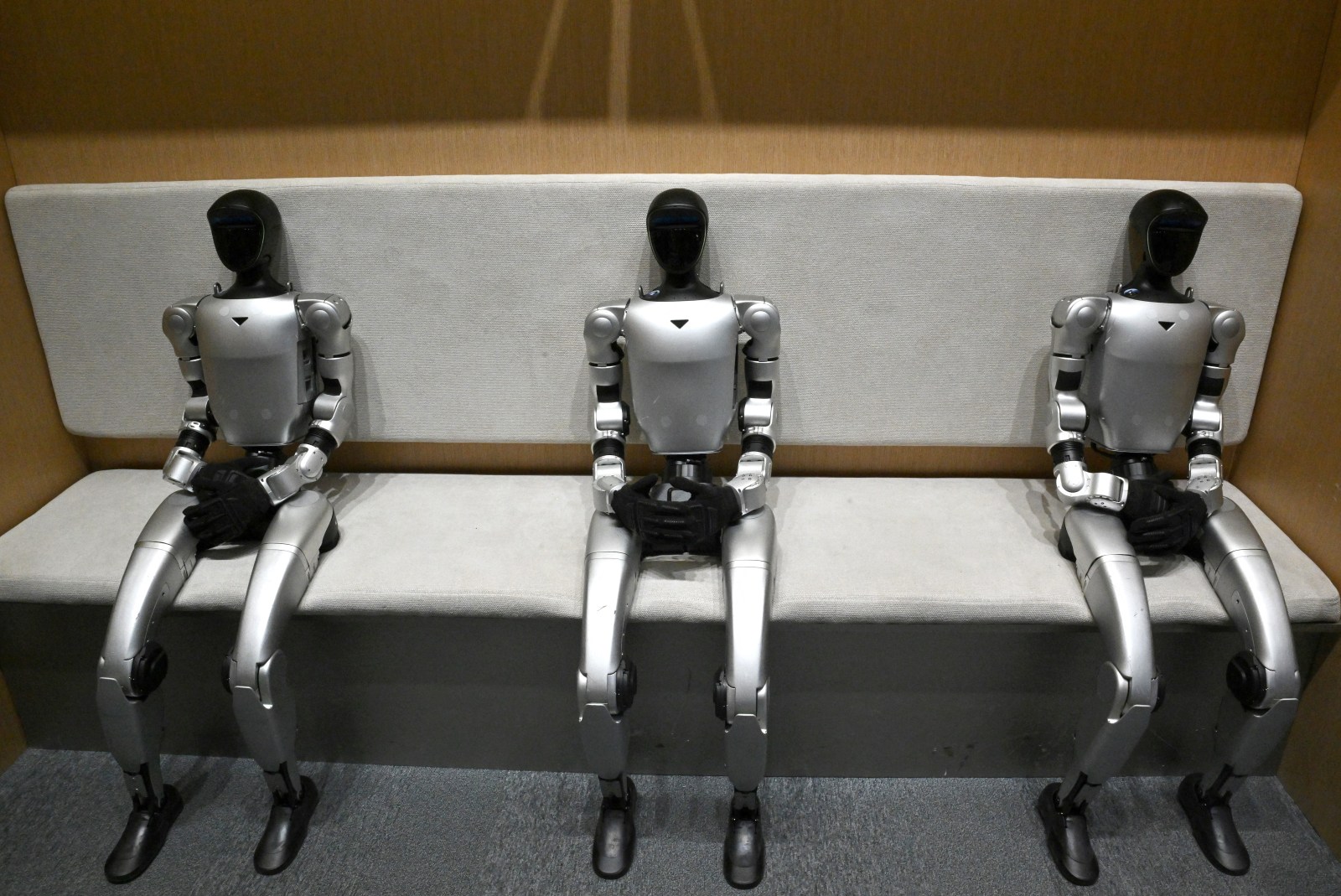
The Pentagon has added more Chinese companies to a list it claims are linked to China’s military. This includes well-known tech and consumer brands, potentially leading to future investment restrictions and sanctions. The newly expanded list, released under a congressional mandate from 2021, features 188 entities labeled as part of or supporting China’s military-industrial framework. Among the additions are major firms like Alibaba, BYD, and robotics company Unitree. These are not state-owned and are not traditionally associated with the defense industry.
Washington’s increasing concern about China’s military modernization intersects with the role of private companies under the civil-military fusion strategy. This strategy aims to integrate commercial innovation into national defense purposes. U.S. officials believe Chinese firms might have to provide data, technology, and other supports to the government, possibly aiding military capabilities.
The updated list emerges amid broader U.S. moves to curb China’s access to advanced technologies deemed important, such as AI chips, semiconductor manufacturing equipment, and quantum computing. Inclusion on the Pentagon’s list doesn’t automatically lead to sanctions but can be a basis for future restrictions on investments, procurement, and commercial dealings.
Beijing’s Response
China quickly criticized the move, accusing the U.S. of using national security to unjustly target Chinese businesses. Foreign Ministry spokesperson Lin Jian urged the U.S. to stop what they consider unreasonable suppression of Chinese firms and stated China will protect its companies’ legitimate rights.
Why Alibaba, BYD, and Unitree Were Included
Alibaba, China’s significant tech company, is a notable addition to the list. The Pentagon cited Alibaba’s alleged links to the Ministry of Industry and Information Technology, calling it a contributor to the military-civil fusion. Also added was BYD, a leading electric vehicle manufacturer expanding globally. Despite having minimal U.S. market share, former President Donald Trump showed support for Chinese automakers building U.S. factories, contrasting with some lawmakers’ calls to ban Chinese electric vehicles.
Unitree, known for humanoid robots and their presence at China’s Spring Festival Gala, was also a major addition. Their robotics and AI advancements have attracted global attention.
Newsweek contacted Alibaba, BYD, and Unitree for comments.
Congress Pushes for Stronger Actions
The U.S. House Select Committee on the Chinese Communist Party welcomed the Pentagon’s update, calling for stricter actions against the companies listed. They indicated the designations serve as a warning to American businesses and investors.
“Any of them that are publicly traded on U.S. exchanges should be immediately delisted, and their products should be removed from our supply chains,” the committee stated.
The committee emphasized that continuing business with these firms threatens national security, enabling China’s military growth. This expanded list is part of a wider U.S. initiative to scrutinize Chinese companies in vital sectors as U.S.-China competition extends beyond trade to technology, investment, and national security.
This article includes reporting by The Associated Press.