Pentagon Faces Lawsuit Over Alleged Blacklist of Journalists
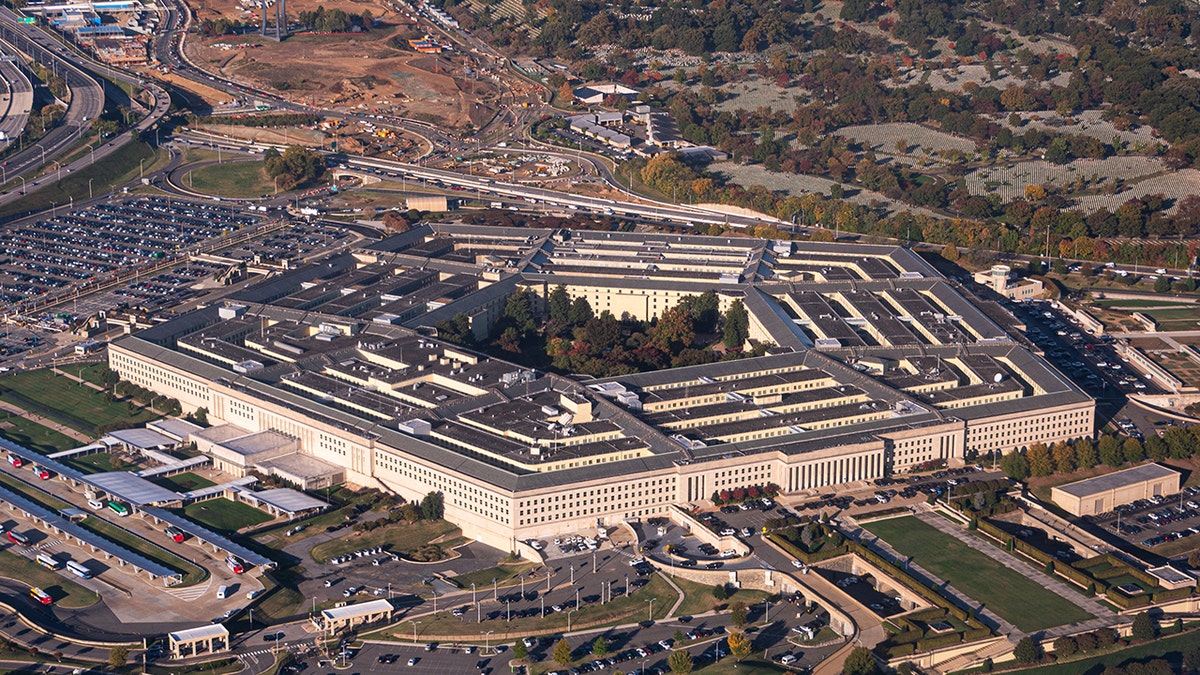
An aerial view of the Pentagon building in Arlington, Va., Oct. 22, 2025. This image, captured by Bill Clark for CQ-Roll Call, Inc via Getty Images, accompanies a developing news story.
The Pentagon is being sued over claims that an alleged “blacklist” of journalists and news outlets was maintained during the Trump administration. This legal action, initiated by the nonprofit Freedom of the Press Foundation (FPF) along with The Intercept, was filed in U.S. District Court in Washington, D.C. The lawsuit originates from an incident involving journalist Nick Turse of The Intercept and the U.S. Central Command (CENTCOM) public affairs office in July. The interaction revolved around inquiries into Iran’s attacks on U.S. bases in the Middle East.
Turse, after making persistent phone calls that went unanswered, received a warning from CENTCOM public affairs executive assistant Richard Allee. Allee cautioned him about being “put on a list of people to disregard” if he continued to pursue his story. According to the lawsuit, when Turse asked for clarification about this list, Allee confirmed its existence but refused to disclose which reporters or outlets were included.
Further revelations surfaced in August when Turse claimed he was informed by an unnamed U.S. official that the office of Secretary of War Pete Hegseth had a directive to avoid engaging with him. Following this, both Turse and FPF filed Freedom of Information Act (FOIA) requests seeking documentation from the Pentagon concerning the alleged “blacklist.” To date, CENTCOM has not addressed these requests.
The lawsuit accuses the Pentagon of unlawfully withholding records and failing to meet the statutory deadline for disclosure. Lauren Harper of the FPF, who submitted the FOIA request, expressed concerns about the alleged blacklisting and its implications for journalistic freedom across political spectrums. Harper highlighted the importance of transparency in military operations and budget spending, emphasizing the role of independent journalism in holding the government accountable.
Turse described the alleged blacklist as “fundamentally un-American,” stressing the public’s right to information about military conflicts, including the Iran engagement’s human and economic costs. He accused the Pentagon of stonewalling and obfuscating to avoid answering difficult questions. Turse asserted the necessity of court intervention to compel transparency.
CENTCOM, however, refuted the allegations, labeling Turse’s account as a “complete misrepresentation.” They also accused him of harassing staff. The Pentagon did not comment on the lawsuit, and The Intercept has yet to respond.
The situation continues to develop, with updates anticipated as the legal process unfolds.