Pete Buttigieg’s Political Aspirations and Challenges
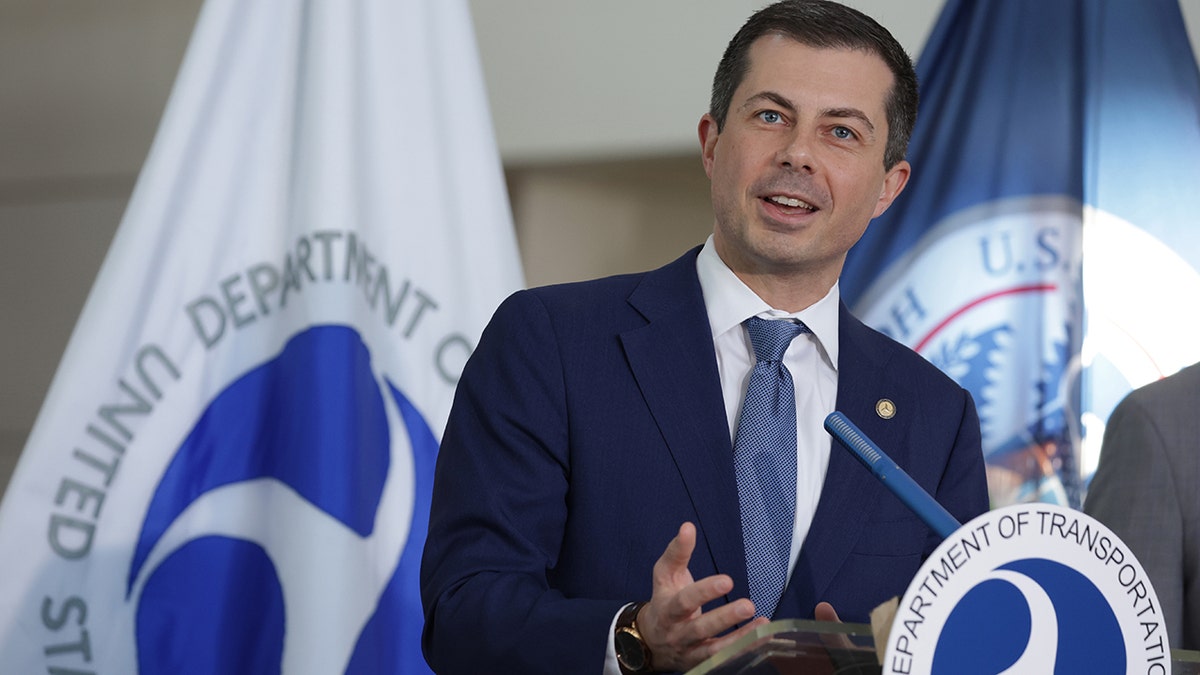
Pete Buttigieg, aiming for a significant political role in 2028, engaged in the recent aviation disruption issues. His attempt to capture public attention hasn’t led to the desired impact. Buttigieg currently stands fifth among potential Democratic candidates. His performance as Transportation Secretary during Biden’s administration remains a point of contention.
Buttigieg quickly criticized Sean Duffy’s press conference addressing airport shutdowns, drawing attention away from his own tenure. His press briefing lacked substantial contributions and only highlighted previous administrative challenges.
During the COVID-19 pandemic, Buttigieg faced criticism for his absence at a time when supply chain issues were at their peak, earning ridicule online. While addressing the shortages, he shifted the blame to consumer demand while supporting Biden’s spending plans.
Under his leadership, the Federal Aviation Administration (FAA) saw significant disruption. The first nationwide ground stop since 9/11 occurred, lasting 90 minutes. This was due to a failure in a system designed to alert pilots to safety hazards, emphasizing the need for modernization of the aging air traffic infrastructure.
Transportation Secretary Sean Duffy highlighted Buttigieg’s failure to address the air traffic controller shortage and enhance outdated systems. Duffy pointed to successful recruitment strategies that exceeded FAA’s hiring goals, showcasing improvements in agency performance.
Concerns arose regarding diversity initiatives implemented during Buttigieg’s tenure. These policies aimed at diversifying the workforce, despite potential impacts on system efficiency and safety.
Duffy also highlighted underinvestment in air traffic control systems despite significant federal funding available for upgrades, questioning spending priorities under Buttigieg.
The rollout of a $7.5 billion electric vehicle charging initiative also faced delays, with only a handful of federally funded stations operational, revealing bureaucratic challenges faced during the execution of infrastructure plans.
Buttigieg’s approach to infrastructure also included a focus on racial equity in highway projects, which drew criticism. The program aimed to correct historical injustices but faced opposition from some political figures.
Facing challenges within the aviation sector, Buttigieg attempted to distance himself from responsibility for system inefficiencies. His statements dismissed political factors, emphasizing departmental efforts to enhance aviation operations.
Despite efforts to address these concerns, a Government Accountability Office (GAO) report outlined substantial systemic outdatedness within FAA operations. Many projects remain years from completion, and no comprehensive modernization plans exist for certain critical systems.
These issues continue to affect Buttigieg’s public image, with performance overshadowing political ambitions. The focus on addressing key infrastructure deficiencies remains vital for any future aspirations.