Phil Collins Criticizes Trump and American Culture
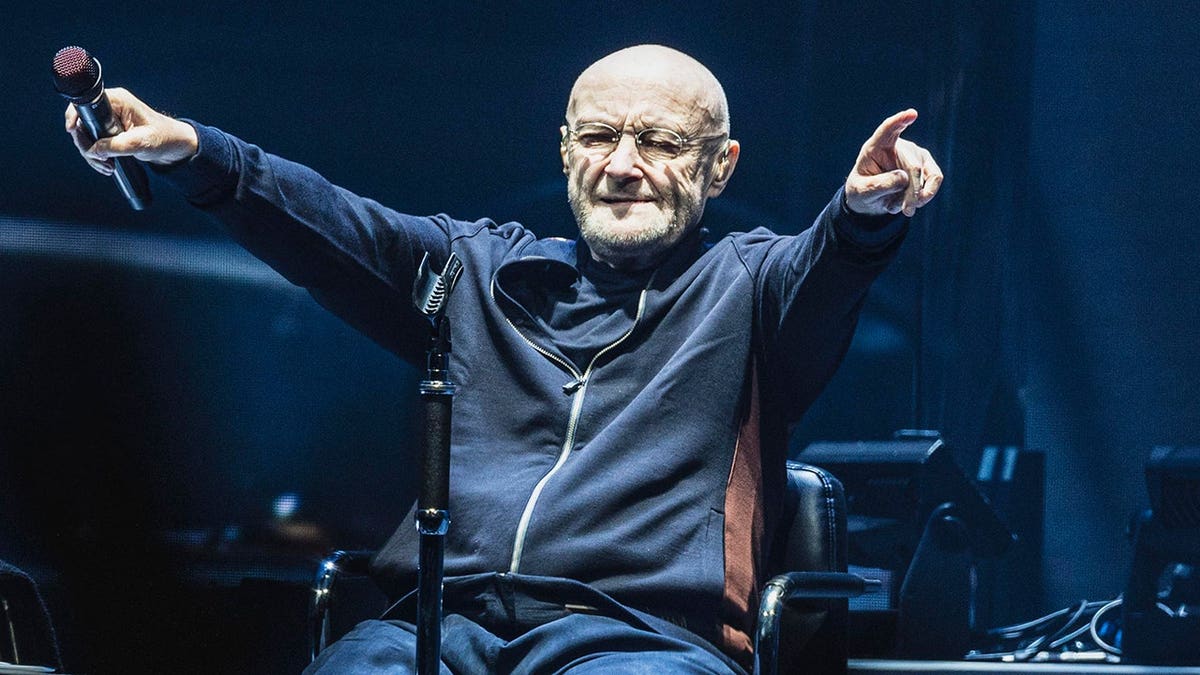
British rock legend Phil Collins recently shared his critical views on President Donald Trump during an interview on “Piers Morgan Uncensored.” Weeks before his induction into the Rock & Roll Hall of Fame as a solo artist, Collins expressed his thoughts on Trump.
When asked by Morgan about Trump, the 75-year-old musician remarked that he didn’t think highly of him. Collins criticized Trump’s demeanor and compared him to past presidents. His whole manner is unattractive,
Collins said. He noted that historically, presidents have been respected even if people disagree with them. Collins finds Trump to be nasty
which leads to a feeling of dislike.
Phil Collins had saved a provocative song idea titled Fat People with Guns, which he said reflects on America. This revelation came amid a broader debate about musicians using their platforms for political commentary.
Doug Eldridge, founder of Achilles PR, highlighted the risk for artists when criticism extends beyond politicians to broader statements about America. He mentioned that outside of big city bubbles, Americans generally focus on elections during election years. However, when rhetoric targets the country’s culture more broadly, it hits a different note.
Sarah Schmidt, president of PR firm Interdependence, explained the backlash artists can face when audiences feel criticized. She emphasized that mocking a USA chant from the stage could lead to intense backlash from the very people who support these artists financially.
In the interview, Collins also questioned Trump’s intentions regarding presidential term limits, despite claiming not to be a political person. He speculated that Trump might consider staying in power beyond the constitutional two-term limit. Trump’s response in August suggested he understood the constitutional restrictions on seeking another term.
Collins’ remarks come at a time when musicians carefully navigate the line between personal political beliefs and public perception.