Players Stage Media Protest at 2026 French Open
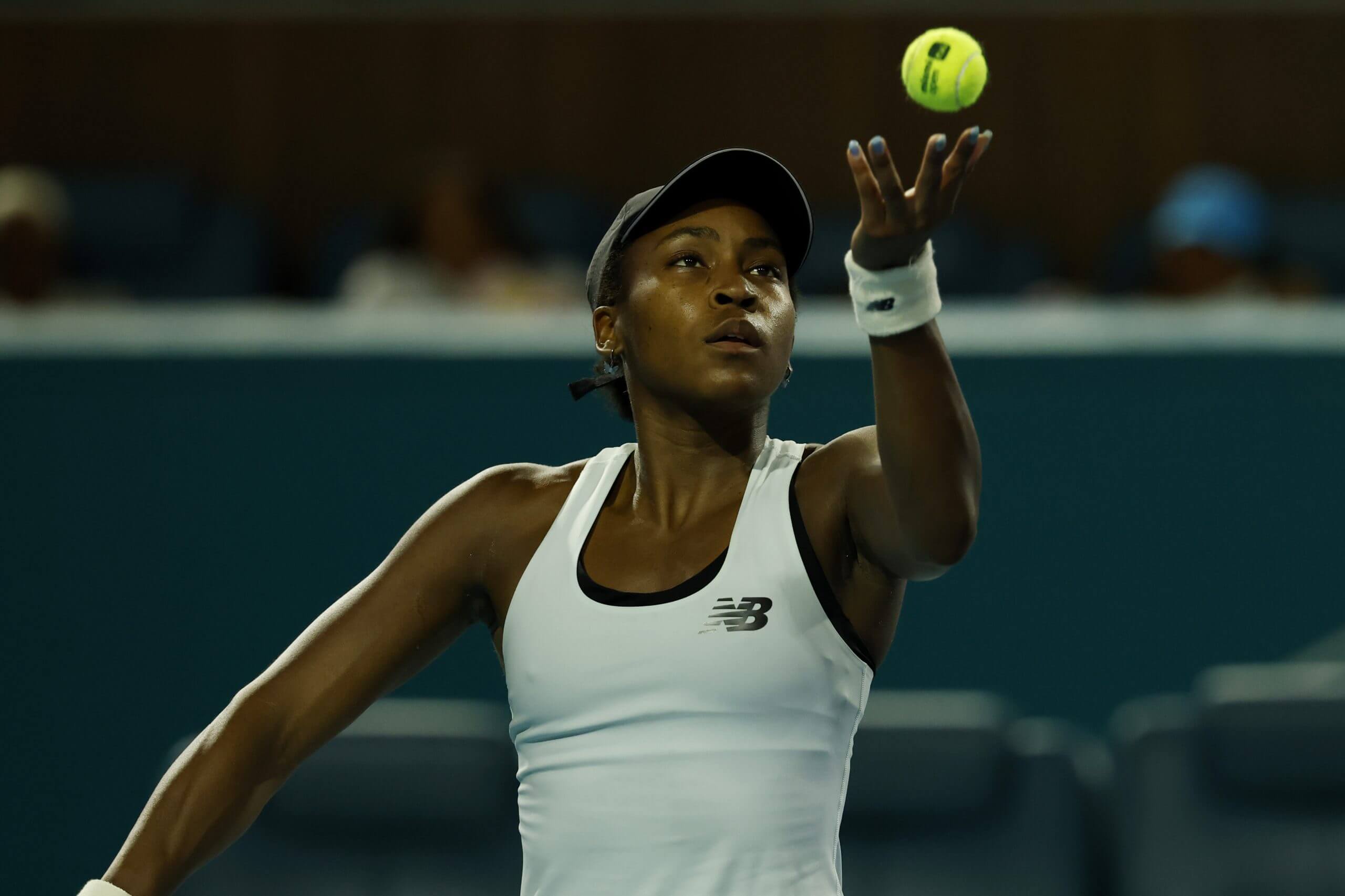
The 2026 French Open began with notable developments involving top tennis players, who are advocating for increased prize money and other reforms at Grand Slam events. Leading players have organized a media protest, seeking change.
Protest Actions and Purpose
During the Italian Open, tennis stars like Aryna Sabalenka and Coco Gauff hinted at potentially boycotting one of the four major tennis events. However, at the French Open, which starts on May 24, the players will limit their media interactions instead of a full boycott.
A source familiar with the group’s plans revealed that players would cut short their pre-tournament news conferences to ten minutes, followed by a five-minute video interview for broadcasters. Players will also skip interviews with French Open media and primary rights holders, TNT Sports and Eurosport, but this action is planned for a single day.
Response from the French Tennis Federation
The French Tennis Federation (FFT) expressed regret over the players’ decisions, saying it affects the entire tournament ecosystem. Through a spokesperson, the FFT emphasized its commitment to maintaining good relations with players and proposed a meeting scheduled for May 22 to address these issues.
Talks will include representatives from the FFT, including President Gilles Moretton and French Open Director Amélie Mauresmo. Larry Scott, a former ATP player advising the group, will also participate. Future meetings with Wimbledon and US Open representatives are anticipated.
Reform Demands and Context
The strategic timing of the protest relates to the current allocation of Grand Slam revenues, with players aiming to increase the 15 percent allocated to prize money to 22 percent. This figure aligns with joint ATP and WTA events, though U.S. team sports typically allocate about 50 percent of revenues to players through collective bargaining.
The French Open prize pool for 2026 has increased 9.5 percent from the previous year, reaching $72.3 million. This equates to 15 percent of the expected revenue. In contrast, other majors like the Australian Open and U.S. Open have recently increased their prize money but remain below the 22 percent revenue mark.
Ongoing Efforts for Change
The current protest follows previous attempts to pressure the four Grand Slams, including letters sent last year by prominent players like Iga Świątek and Carlos Alcaraz. Their demands extend beyond prize money, focusing on player welfare and the formation of a Grand Slam Player Council for greater representation in decision-making.
As the French Open qualifying matches proceed, the main tournament is set to start soon. The press will engage with players during Friday’s media day, although some may provide additional interviews over the weekend.
“You don’t need a formal boycott for effective, collective action.”
A New Strategy and Its Implications
Senior tennis writer Ava Wallace notes that players can organize quickly and effectively, even without a full boycott. Curtailing media availability in this manner signals significant intent. Players have successfully highlighted the 15 percent allocation issue, affecting even broadcasters and media coverage.
By refusing additional interviews with rights holders, players have shown serious commitment. Despite potential personal branding concerns, this move marks a notable step toward achieving their objectives. Previously, some players were unaware of boycott discussions, but unity has strengthened rapidly, leading to impactful action.