Political Crisis Unfolds in Poland Over Constitutional Tribunal Actions
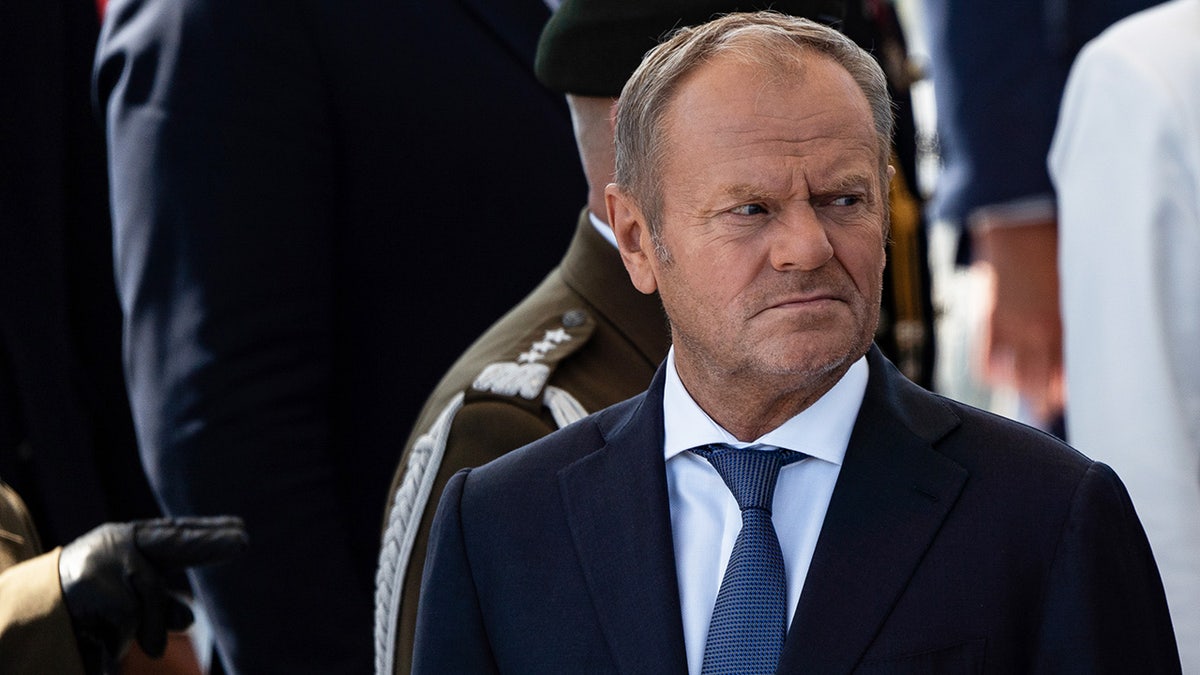
Recent events in Poland have sparked intense debate surrounding Prime Minister Donald Tusk’s government and its approach to judicial independence. On Friday, a dramatic incident occurred at Poland’s Constitutional Tribunal, prompting the involvement of riot police and protests. The situation escalated to the extent that President Karol Nawrocki decided to turn his plane back to Warsaw, avoiding a scheduled trip.
The controversy was triggered by the tribunal’s decision to suspend its president, Bogdan Święczkowski. This action was praised by supporters of Tusk’s administration as a necessary step to ensure judicial independence. Conversely, opponents criticized the move, labeling it as an unconstitutional seizure of power. Marcin Przydacz, head of the International Policy Bureau under Nawrocki, publicly criticized Tusk’s actions on television, questioning their legal foundation.
The repercussions of this dispute have extended into diplomatic arenas, with significant resignations from Polish ambassadors. These resignations include Poland’s permanent representative to the U.N., Krzysztof Szczerski, alongside diplomats to China and Romania. This political turmoil hints at deeper issues within the nation’s judicial system, which has faced scrutiny for over a decade.
Simone Rodan-Benzaquen from the Foundation for Defense of Democracies emphasized the ongoing crisis, highlighting that confrontations over judicial appointments have persisted. Judge Anna Korwin-Piotrowska’s recent decision to suspend key tribunal figures intensified protests, leading Nawrocki to halt international travel plans due to mounting tensions.
The current crisis highlights Poland’s struggle with judicial independence. While critics perceive Tusk’s actions as undermining the tribunal, proponents emphasize restoring constitutional norms. Tusk defends his measures as essential for judicial reforms, accusing opposition figures of obstructing legally elected judges.
International response to the crisis has been varied. European entities, including the European Commission, have largely supported the Polish parliament’s judicial appointment authority. French opposition leaders critique the EU’s stance, arguing for consistent defense of democratic principles. U.S. Ambassador Tom Rose encourages restraint, advocating for Poland’s stability and democratic future.
Amid upcoming parliamentary elections, Poland faces profound debates over its rule of law. As political tensions rise, parties claim to protect constitutional integrity while institutions remain central to ongoing disputes. The situation presents significant implications for Poland’s political landscape and its relationships with international allies.