Political Messaging Strategies Leading into the Midterm Elections
Marshall McLuhan, a Canadian sociologist, once stated that “the medium is the message.” This idea reflects how both political parties are trying to fine-tune their messages to sway voters in the upcoming November elections.
Republican Perspective
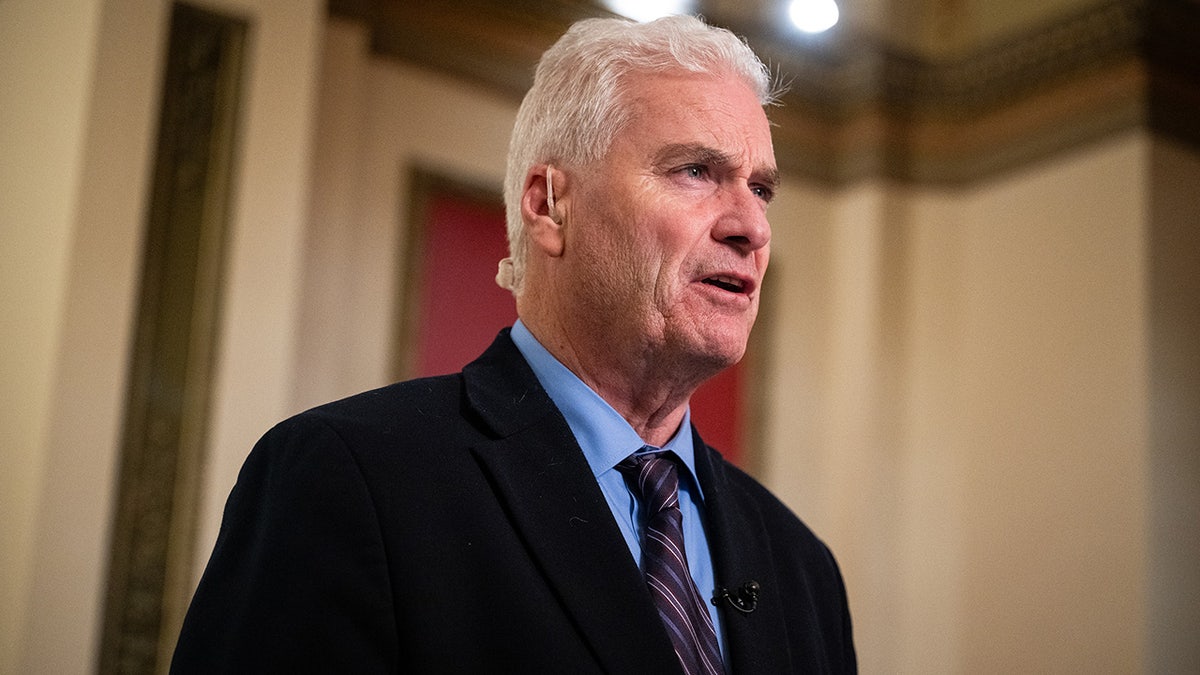
House Majority Whip Tom Emmer, R-Minn., emphasized the Republican’s legislative achievements on Fox, highlighting successes like no taxes on overtime and tips, alongside a raised childcare tax credit. These are part of a significant bill passed last summer by the Republican-controlled Congress. Republicans are keen to remind voters of their past accomplishments.
Sen. Kevin Cramer, R-N.D., echoed these sentiments but acknowledged that voters are focused on recent actions. He emphasized the need for Republicans to address current issues, as voters’ priorities shift rapidly.
Some Republicans anticipate difficulties. Rep. Nancy Mace, R-S.C., expressed concern about the Republican prospects, blaming intra-party blame games for the challenges they face. Meanwhile, Sen. John Kennedy, R-La., criticized both parties for lacking concise plans, suggesting the strategy is to appear better than the opposition.
Republicans have revisited topics like border security as a strength. Sen. Katie Britt, R-Ala., stressed that the Trump administration had the most secure border in U.S. history as part of the discussion.
Democratic Perspective
Democrats are campaigning hard on affordability. With the high cost of groceries and fuel being top concerns, they emphasize economic issues. Sen. Tim Kaine, D-Va., stated that tariff strategies hurt allies and the American economy.
Yet, the Democrats are committed to accountability, particularly regarding Donald Trump. Melat Kiros of Colorado and House Democratic Caucus Chairman Pete Aguilar, D-Calif., have voiced goals for oversight and potential inquiries into corruption.
House Minority Leader Hakeem Jeffries, D-N.Y., linked corruption oversight to economic concerns. He defended the party’s stance on holding corrupt actors accountable despite allegations it might distract from economic issues.
Sen. Peter Welch, D-Vt., advised Democrats to stick with core economic issues like affordability rather than over-focus on investigations.
Emerging Issues
An emerging issue shaping campaigns is artificial intelligence (AI). Sen. Chris Murphy, D-Conn., mentioned AI as a priority, suggesting Democrats could make it a significant topic for voters.
Sen. Jon Husted, R-Ohio, addressed AI concerns while connecting them to economic questions. With the Ratepayer Protection Act, supported broadly in the House, Husted argued for shifting utility costs from consumers to Big Tech firms, emphasizing consumer protection. However, Democrat Sen. Martin Heinrich, D-N.M., opposed this approach, calling for stronger legislative measures.
This disagreement could play out as a key political talking point. Republicans emphasize affordability, while Democrats argue about the need for comprehensive solutions.
Addressing these issues effectively is crucial for both parties as they head into the midterms. Each party’s approach and priorities could significantly impact voter turnout and preferences.