Political Tensions in Israel Over Iran and Government Formation
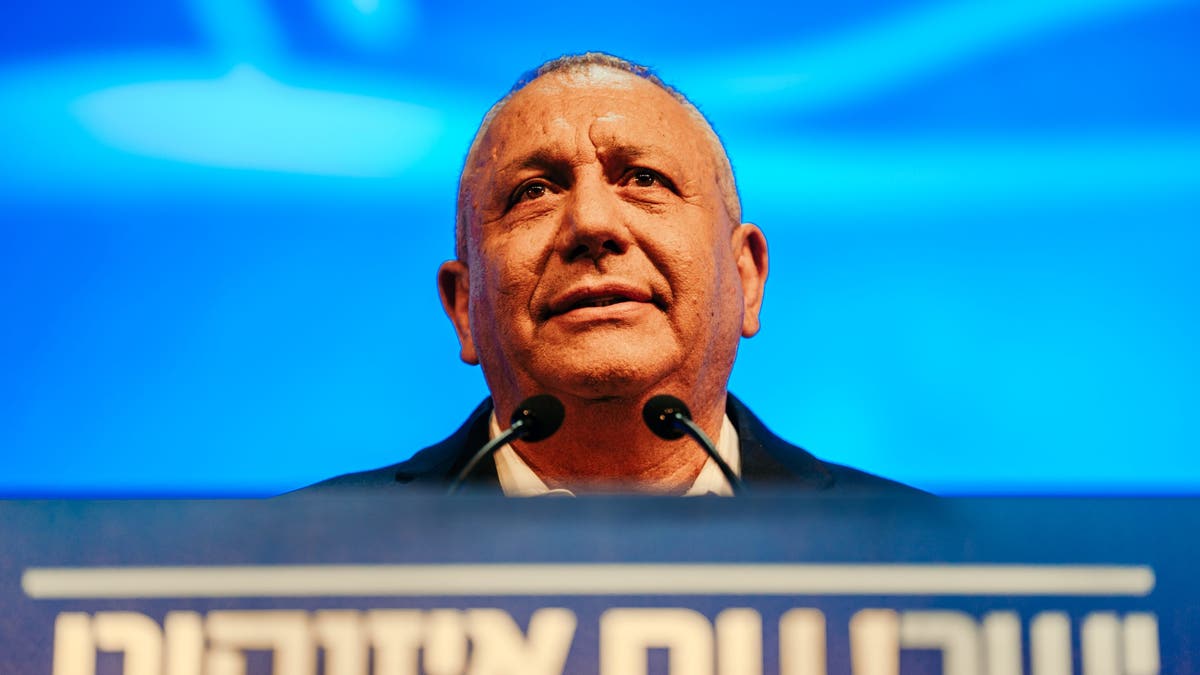
An important political debate is taking place in Israel, centering on the perceived threat from Iran. Gadi Eisenkot, charged with forming a new government by Israel’s president, stated that Iran does not pose an immediate threat needing military intervention before the establishment of a new government. His comments sparked a reaction from Prime Minister Benjamin Netanyahu.
This disagreement emerges during an ongoing political struggle following Israel’s recent elections. Although Netanyahu remains the caretaker prime minister, Eisenkot’s faction now holds leadership over the Knesset and vital parliamentary committees as coalition talks proceed.
Political Dynamics and Perspectives
Eisenkot, a former IDF chief of staff, addressed his party, emphasizing that while Iran’s nuclear ambitions remain a serious concern, they do not require preemptive action. He highlighted Iran’s accumulation of 440 kilograms of uranium enriched to 60% as a significant risk that should be closely monitored.
Netanyahu refuted these statements, suggesting some political figures underestimated the Iranian threat for political purposes. He advocated for a national unity government, expressing a willingness to negotiate on the issue of ultra-Orthodox military service but excluding Arab-led party participation.
“The Iranian threats are real,” said Netanyahu, emphasizing the necessity of vigilance.
International Reactions and Internal Challenges
Tensions are exacerbated by former President Donald Trump’s consideration of resuming military actions against Iran. Trump criticized Iranian negotiators while suggesting possible confrontations could ensue if diplomacy fails. The U.S. administration believes their economic sanctions have sufficiently pressured Iran, deeming major military operations unnecessary for the moment.
Also contributing to the discussion, former Mossad chief David Barnea urged decisive military action against Iran when conditions are favorable, questioning the efficacy of diplomatic engagements with the regime.
The status of Iran’s uranium remains ambiguous since attacks on Iranian facilities disrupted the International Atomic Energy Agency’s ability to verify their reserves. The U.S. and European nations have noted this verification gap.
Strategic Parliamentary Shifts
Eisenkot’s efforts to transform his electoral success into a governing majority are noteworthy in this context. The lack of an outright majority for any bloc following the October 27 election has spurred complex negotiations. United Torah Judaism’s decision to explore coalition options with Eisenkot further weakens Netanyahu’s position, dropping his support to 46 members.
A provisional parliamentary majority under Eisenkot has enabled legislative progress, independent of forming a formal government. Key parliamentary roles have been reassigned, affecting control over fiscal oversight and legislative priorities.
Eisenkot stresses uncompromising standards for forming coalitions, particularly a state commission of inquiry into recent attacks and the extension of mandatory military service.
“There will be no compromise on establishing a state commission of inquiry,” Eisenkot insisted.
This ongoing political debate integrates with a broader unresolved question: determining who will lead Israel as critical decisions regarding Iran unfold.
Additional reporting by Efrat Lachter, who has extensive experience covering global conflicts and political issues for over 15 years, offering unique insights into international affairs.