Pope Leo XIV’s Summer Retreat in Castel Gandolfo
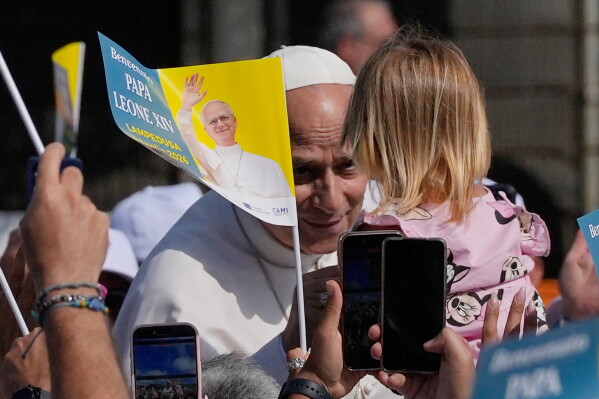
Pope Leo XIV arrived Sunday at Castel Gandolfo for a six-week vacation. This visit restores the town’s connection with its most notable resident after Pope Francis opted to stay in Rome during his 12-year tenure. Leo was warmly received by locals lining the streets, eager to greet him upon arrival.
“I hope everyone can have some vacation time to restore the body and spirit,” Leo stated before leaving the Vatican during his noon prayer.
The 69-year-old Chicago native continues the tradition of spending the hot summer months away from the Vatican. Castel Gandolfo offers cooler weather and panoramic views of Lake Alban, situated in the hills south of Rome. The location has been favored by Roman leaders since the era of Emperor Domitian in the first century.
This marks Leo’s first break after weeks filled with audiences, outings, and celebrations subsequent to his May 8 election as the first American pope. While at Gandolfo, he plans to hold public events such as Masses and Sunday prayers, and may return to the Vatican for select activities. Officials anticipate he will use this time to relax, ponder, and read on pressing matters confronting his papacy.
Sister Mary Livia, a Ugandan nun present to welcome Leo, expressed, “Since he was elected he has been working, working, working. It is time for him to get more energy and get strength for his mission.”
‘Good for the whole town’
Pope Urban VIII constructed the papal palace in Castel Gandolfo in 1624 as a respite from Rome. It expanded over time to encompass 55 hectares (136 acres), surpassing Vatican City’s size. The estate includes a working farm, beautiful gardens, a Jesuit-run observatory, and an environmental educational center inspired by Pope Francis’ 2015 encyclical, Laudato Si.
Historically, past popes spent summers there, attracting crowds of pilgrims for the noon blessing in the palace courtyard. Pope Benedict XVI concluded his papacy at the estate in February 2013. However, Pope Francis preferred remaining in Rome, which initially affected the local economy.
Francis later transformed the palace and gardens into a year-round museum, enhancing tourism and benefiting local businesses, according to shopkeepers. Simone Mariani, a town restaurant owner, remarked, “He made access to these structures possible, which no pope ever did in 400 years.” The constant inflow of tourists turned out more fruitful than past summer-only crowds.
Despite improved tourism, emotional ties to regular papal visits persisted among townsfolk who were accustomed to the spectacle accompanying the pope’s arrival. Patrizia Gasperini, who owns a souvenir shop near the palace, reflected, “All year, we’d miss the color, the movement, but we knew when summer came he would return. So when Pope Francis decided not to come, we were upset on an emotional level, beyond the economic level.”
Draft important church documents
Since the palace’s conversion, Leo resides in Villa Barberini, the estate’s secondary residence, formerly used by the Vatican secretary of state during papal stays.
Mayor Alberto De Angelis expressed optimism for Leo’s use of Castel Gandolfo beyond summers, as St. John Paul II often did with his visits. Historically, popes have utilized their retreat time to draft critical church documents and encyclicals. De Angelis hopes Leo continues this tradition, producing significant works from the residence.
“We hope Pope Leo produces some text, some encyclical here that has a global reach,” De Angelis said, adding, “And then he can say that it came from Castel Gandolfo, that he was inspired and produced this text from here for the whole world.”