Pregnancy Risks and Abortion Bans: Tierra Walker’s Tragic Story
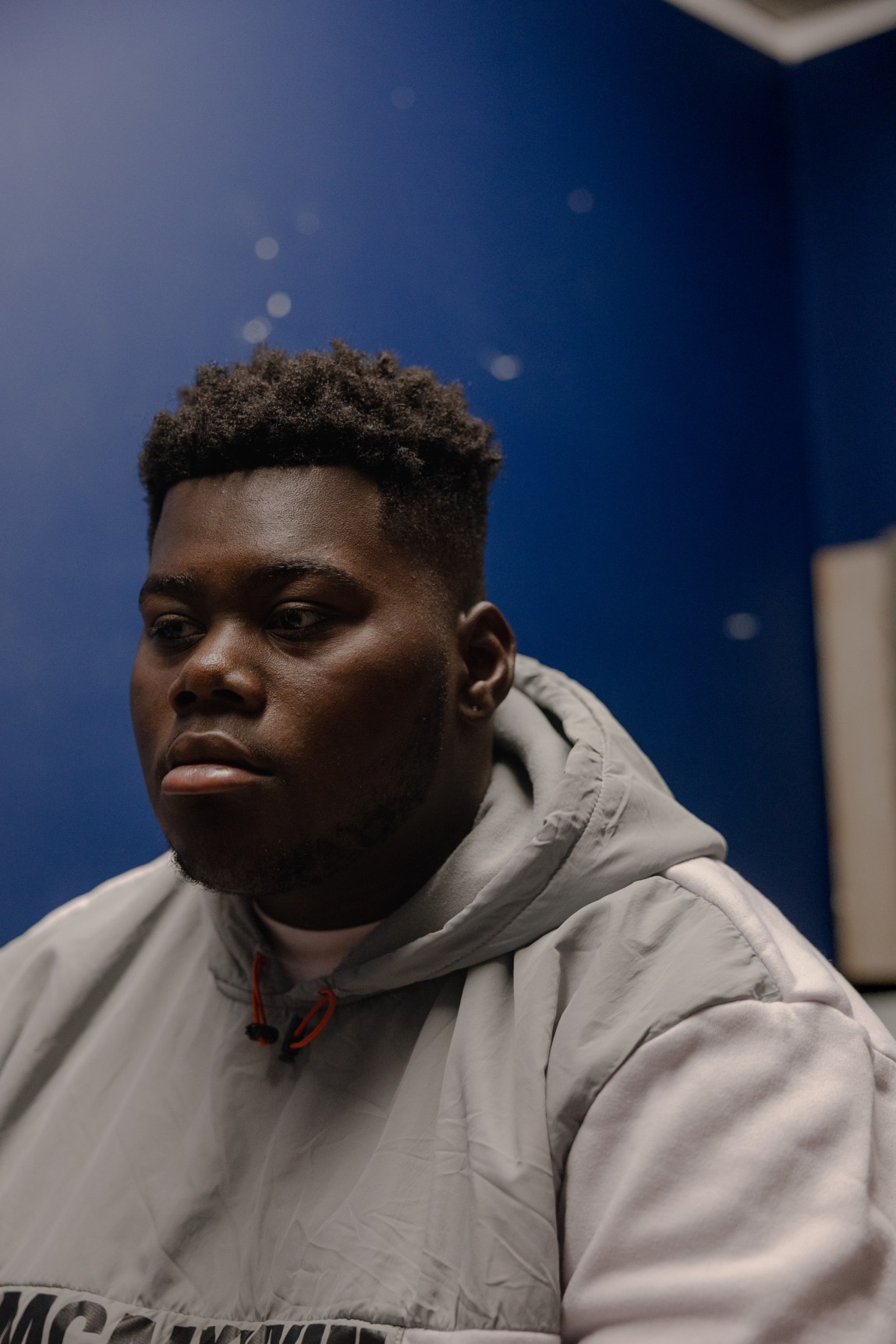
Tierra Walker’s Struggle
Tierra Walker, a 37-year-old dental assistant from Texas, found herself facing one of life’s most challenging situations. After learning of her pregnancy, she experienced seizures and was hospitalized. Her high blood pressure and diabetes put her at risk for preeclampsia, a serious pregnancy complication. On October 14, 2024, Walker decided to ask her doctor about abortion for her own health and her 14-year-old son JJ’s future.
In the past, Walker had suffered from preeclampsia, leading to stillbirths. However, the doctor advised against ending her pregnancy, as there was no immediate emergency. Her family reported that focusing solely on the pregnancy health rather than her overall well-being seemed to be the standard approach of medical providers.
“Wouldn’t you think it would be better for me to not have the baby?” – Tierra Walker
Sadly, Walker’s fears materialized. On JJ’s birthday, he found his mother lifeless. An autopsy later revealed she succumbed to preeclampsia at 20 weeks of pregnancy.
Preeclampsia Risk and Abortion Laws
Walker knew abortion was illegal in Texas but believed exceptions existed for health risks. Abortion bans intensify problems for patients with chronic conditions. Interviews with over 100 OB-GYNs highlighted that hospitals and doctors often don’t offer terminations due to fear of criminal charges.
Preeclampsia affected Walker’s blood pressure severely, leading to complications. Doctors documented her as being at “high risk of clinical deterioration and/or death” but advised against abortion, focusing on health management instead. Despite her numerous hospital visits, none of the 90 physicians involved suggested pregnancy termination.
Consequences of Ban
Walker’s challenges occurred when abortion bans were widely protested. ProPublica’s investigations found multiple deaths due to lack of reproductive care access. Many OB-GYNs suggested advising women in similar situations about pregnancy risks early and often, with termination as an option.
Legislation under Texas law failed to accommodate women like Walker with underlying health conditions. ProPublica exposed that five women in Texas faced similar outcomes due to the law.
Walker’s Life and Legacy
Walker had a vibrant personality and deep family bonds. Her story represents the risks pregnant women face without access to appropriate healthcare. Her aunt Latanya and husband, Eric Carson, witnessed her decline during repeated hospitalizations.
Doctors discovered Walker had hypertension and uncontrollable seizures during her first trimester. Her high blood pressure affected her vital organs and posed serious risks.
Systemic Issues and Outcomes
Pregnant women in America increasingly face challenges due to restrictive abortion laws. Statistics show an increase in pregnancy-related disorders, combined with underlying health disparities particularly affecting minority women.
Hospital protocols and abortion law interpretations usually narrowly address life-threatening emergencies. Consequently, chronic and escalating conditions often remain untreated within legal exceptions for abortion.
Many Voices and Changing Laws
Hospital records frequently fail to reflect pivotal conditions. Physicians and legal experts debate potential changes, including broader health exceptions. Texas law updated guidelines against law-noncompliance, yet chronic condition consideration remains limited.
Sensitivities within legislation reflect complex pro-life arguments challenging broader medical interventions, sometimes overshadowing patients’ critical needs.
Community and Family Impact
Walker’s family recalls her advocacy attempts. Facing complicated health risks, Walker was torn between seeking abortion medication and fears of criminal repercussions.
JJ often reflects on old memories, trying to cope with Walker’s absence. Moved to live with relatives, he manages daily challenges, mourning his closest confidant.
Walker’s struggle exemplifies gaps in state healthcare policies protecting health-compromised pregnant women. Resolving these disparities demands critical conversations between policymakers, healthcare professionals, and communities.