Pro-Life Strategies Amid Congressional Shifts
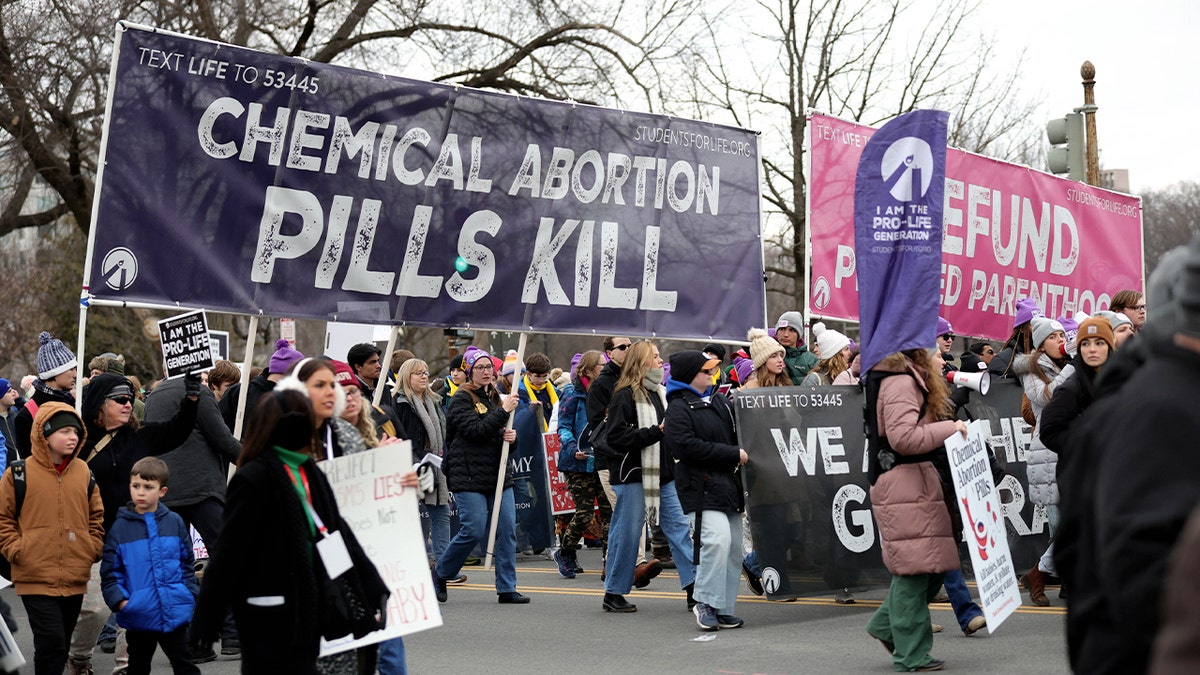
On November 3, Americans voted, shifting congressional majorities away from the pro-life agenda. Despite two years of robust pro-life leadership defunding many abortion providers, the movement faces renewed challenges. Yet, the pro-life movement has overcome adversity before and will persist now.
Current Political Landscape
Democrats’ recent gains threaten existing pro-life policies. The Hyde Amendment, which prevents taxpayer-funded abortions, is under threat from a pro-choice Congress. Furthermore, the integrity of the Weldon Amendment, protecting health care providers who refuse to perform abortions, may also be challenged.
This pro-choice majority aims to align Americans with their extreme stance on abortion. However, the Hyde and Weldon amendments have weathered similar political climates, including opposition from the 117th Congress. Despite the omission of these amendments in a 2021 spending bill, pro-life advocates maintained their persistence, stressing that these protections are non-negotiable.
Public Opinion and Congressional Strategy
There is broad public support for retaining these amendments. According to a 2026 Knights of Columbus/Marist poll, 54% of Americans oppose taxpayer-funded abortions, and 63% support conscience protections for health care providers. This public backing reinforces the importance of these riders to Congress.
Massachusetts Democrats challenged recent abortion legislation, highlighting internal party divisions over abortion extremism.
Pro-abortion members are pushing the Women’s Health Protection Act, designed to solidify abortion rights pre-viability, reducing necessary restrictions. This act, introduced first in 2013, has not succeeded in the Senate due to insufficient votes despite passing in the House.
Future Challenges and Pro-Life Advocacy
The current Congress might attempt to circumvent Senate rules, favoring extreme measures. Unity among pro-life groups is essential to challenge these strategies. Beyond Congress, the pro-life movement must leverage President Trump’s administration and state governments to continue advocating for life.
Even amidst hostile political cycles since Roe, the movement celebrated its success with the Dobbs decision after the 117th Congress. Engagement at the administrative level remains crucial. The FDA’s pending review of the abortion pill, with outcomes expected by March 2027, is one avenue for action. Restoring previous regulations on mifepristone is necessary to ensure its safe distribution.
State-Level Efforts
Pro-life advocacy cannot solely focus federally. State actions remain vital, especially after setbacks in regions like Texas. The political fight for life must continue at both state and federal levels.
As Supreme Court Justice Antonin Scalia noted, questions like abortion should be resolved democratically through citizen engagement and voting.