Prosecutor Questions Defense in Lindsay Clancy Case
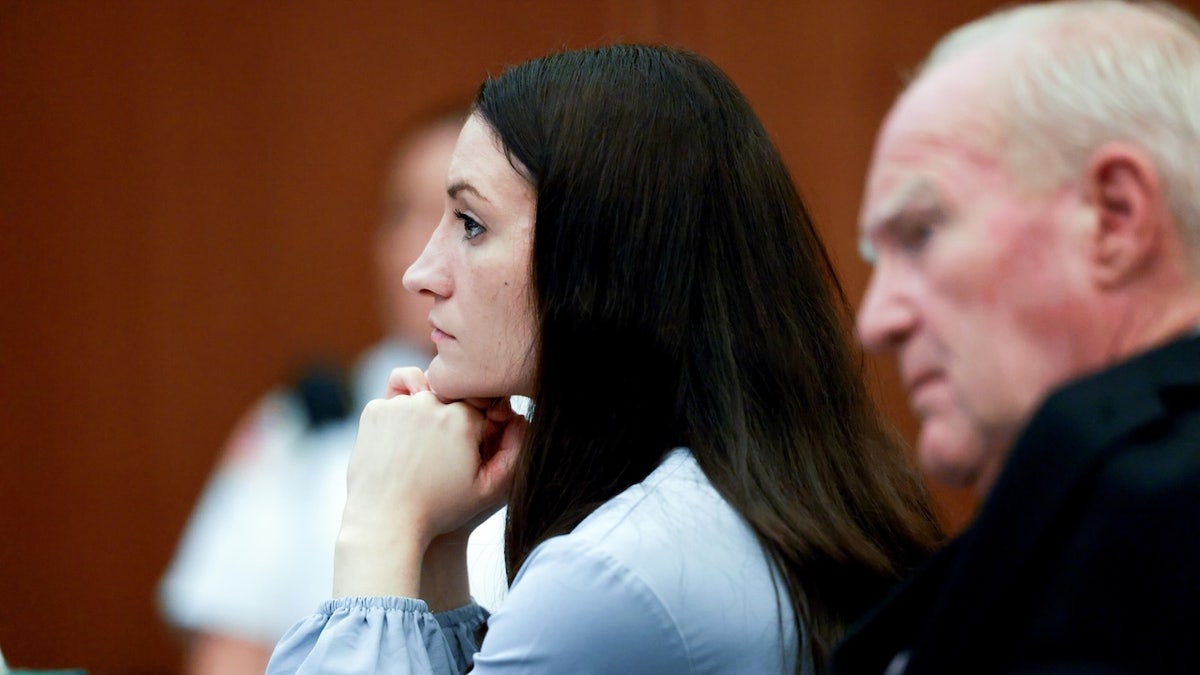
The prosecutor who secured Susan Smith’s conviction, after she drowned her sons, critiques Lindsay Clancy’s defense. The jury is preparing to deliberate following the closing arguments scheduled for Thursday.
Lindsay Clancy, 36, faces charges of first-degree murder for the deaths of her children, Cora, Dawson, and Callan, all under six years. Found strangled at the family house in January 2023, their deaths have captivated public attention. Prosecutors ended their case on Wednesday, with the jury set to begin deliberation post Thursday’s closing arguments.
Clancy’s defense attorney claims she suffered from postpartum psychosis at the time of the killings. Prosecutors have heavily challenged this assertion. Susan Smith, a mother from South Carolina, was previously convicted of murdering her two sons by letting her car roll into a lake. Her defense suggested her actions were a result of severe depression.
Prosecutor Tommy Pope, now a South Carolina representative, believes Clancy’s defense hasn’t shown she suffered a ‘break from reality.’ He critiqued the defense for not establishing concrete evidence of this mental break. Pope explained that prosecutors examine the defendant’s actions for any signs of coherent decision-making versus a possible psychotic episode.
Was it a break from reality? Or did she just commit a horrible, horrible crime and make a horrible, horrible choice?
Pope notes a significant difference between the Clancy and Smith cases is the absence of apparent motive in Clancy’s actions. This lack of motive brings further scrutiny to Clancy’s defense.
Financial stress reportedly weighed on Clancy, as testified by Gregory Saathoff, a forensic psychiatrist from the University of Virginia who consults for the FBI. Saathoff suggested financial strain and potential mental health issues could have impacted Clancy’s state of mind, making her feel incapable of supporting her family.
Saathoff also acknowledged that severe insomnia can lead to psychosis. This point was emphasized during cross-examination by defense attorney Kevin Reddington.