Protect Yourself from Social Security Phishing Scams
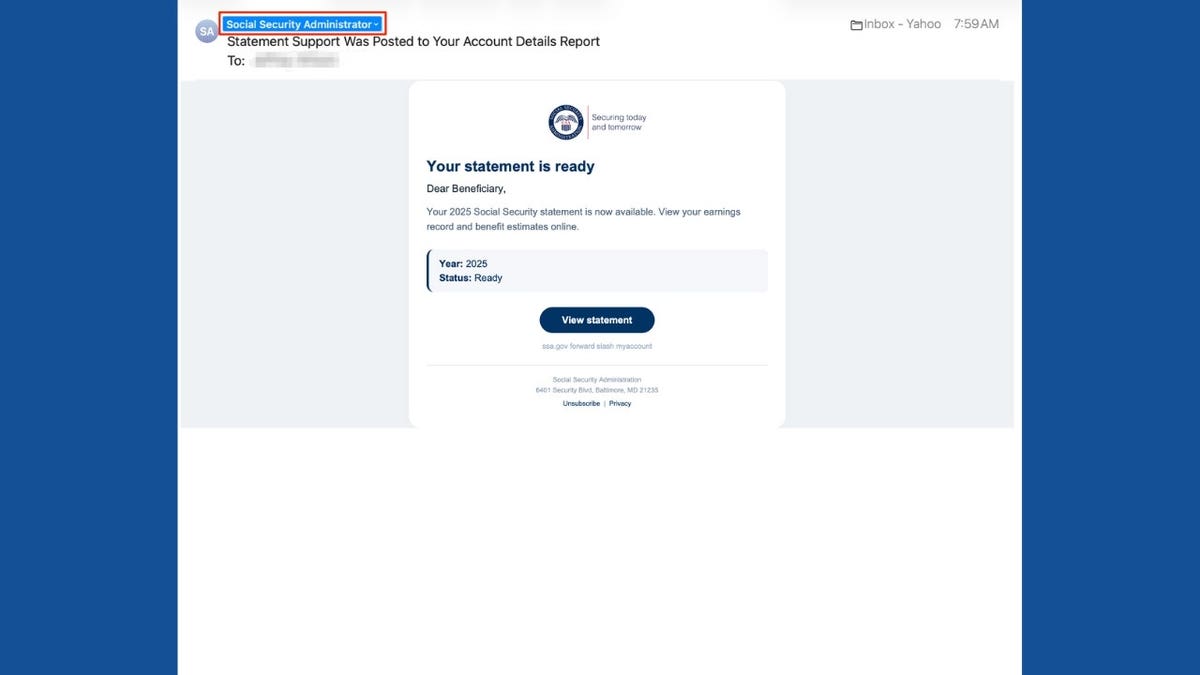
Email alerts about Social Security statements can grab your attention quickly. Scammers exploit this by sending emails that appear as if they’re from the Social Security Administration (SSA). These emails may include the SSA logo and a prompt to view your statement, intending to lure you into clicking malicious links.
Recognizing Fake Social Security Emails
These fraudulent emails often use tricks such as a subject line stating “Statement Support Was Posted to Your Account Details Report”. They might look professional, displaying a sender like “Social Security Administrator”. However, a close look can reveal an unrelated email address, such as from loradmiadministraciones.com, which is a major red flag.
Details to Examine
- Check the sender’s complete address, not just the display name.
- Hover over links without clicking to see the true destination.
- A legitimate SSA email typically comes from a government address.
Risks of Clicking Fake Links
Clicking these links risks directing you to a phishing site designed to steal your credentials or infect your device with malware. The email might look convincing and use tactics like a “View statement” button, but the real purpose is malicious.
Stay Safe from Phishing Scams
Follow these steps to safeguard your information:
- Access your SSA account by typing ssa.gov/myaccount directly into your browser.
- Use strong passwords and enable multi-factor authentication on your accounts.
- Keep your antivirus software up to date.
- Never provide sensitive information through email links.
If You Suspect a Scam
If you suspect an email to be a scam, do not interact with it. Verify the message through SSA’s official website or by calling their direct number. Report suspicious emails to the SSA or your email provider’s phishing-reporting feature.
Recovering from Phishing Attacks
If you fall victim to a phishing scam:
- Change passwords immediately if you shared them.
- Monitor your financial accounts and credit reports for unauthorized activity.
- Contact your bank to prevent further unauthorized transactions.
In the event of identity theft, consider placing a credit freeze and consulting IdentityTheft.gov for recovery options.
Stay vigilant when handling emails concerning your Social Security information. A few extra seconds of caution can protect you from fraud.