Protecting Nature While Building a Strong America
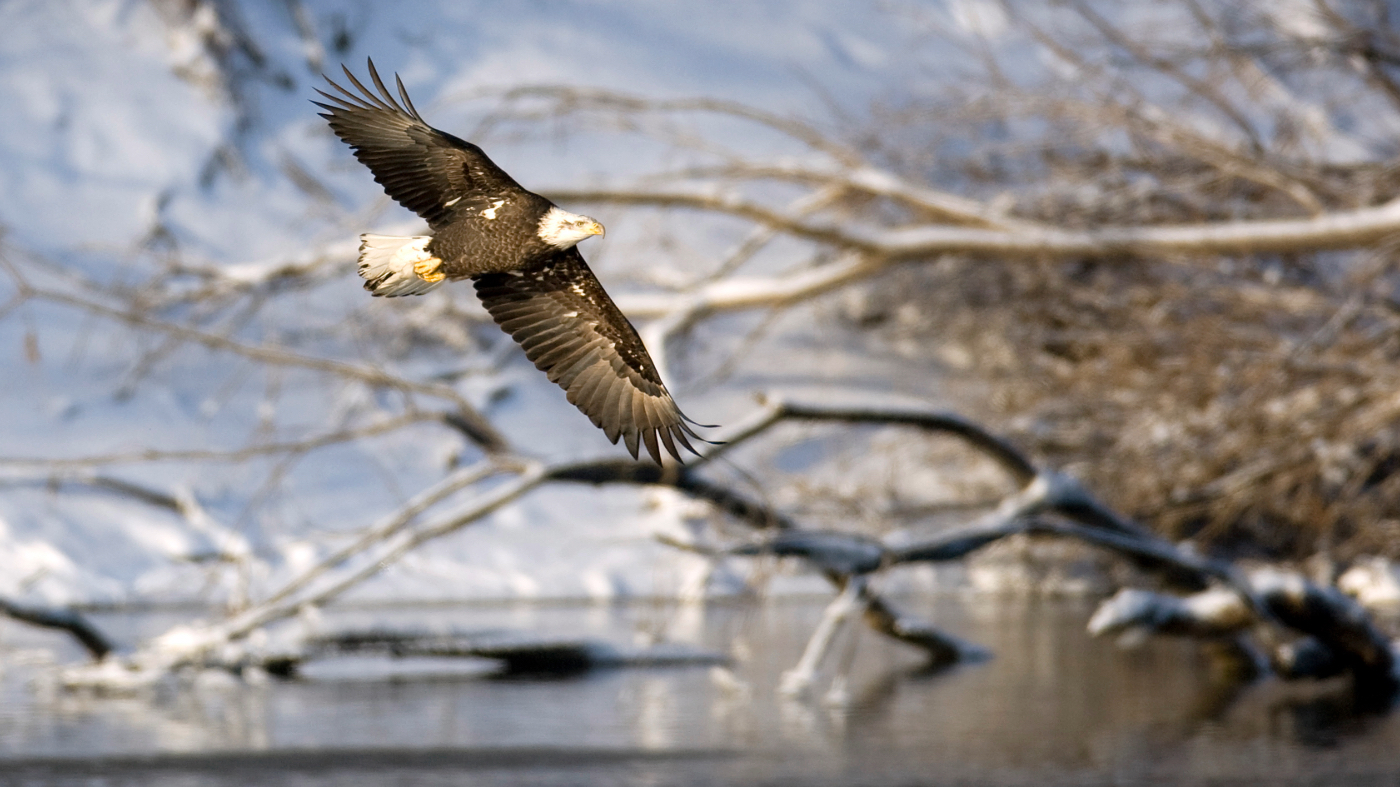
The Endangered Species Act: A Commitment to Wildlife
The Endangered Species Act (ESA), signed by President Richard Nixon on December 28, 1973, carries significant weight in American environmental policy. This legislation empowers the federal government to protect endangered plants and animals across the country. This responsibility stems from a broader belief that wildlife is an integral part of our national legacy.
Balancing Growth and Conservation
America faces a pressing need to expand its infrastructure. We require affordable energy solutions, a modern electric grid, increased housing, and robust infrastructure to support a growing economy. However, it is crucial to ensure that the pursuit of progress does not come at the expense of our natural environments. A future dominated by industrialization devoid of rich natural heritage is not prosperity, but rather a step backward.
The Current Debate: Environmental Protection vs. Development
The current permitting debate in Congress revolves around balancing infrastructure development with environmental conservation. Proposed changes to the ESA are a key point of contention. For over 50 years, the Act has prioritized preventing species extinction through two main provisions: prohibiting harm to endangered species (known as “take”) and requiring federal agency consultation with wildlife experts on projects impacting such species.
Recent administrative actions have weakened the “take” prohibition by claiming habitat destruction does not qualify as harm. Additionally, proposed legislation seeks to delegate the crucial consultation process to individual states, potentially undermining federal oversight and consistency.
Effective Permitting without Compromise
An analysis of 88,290 U.S. Fish and Wildlife Service consultations found no project was halted or significantly altered because of species protection concerns. Consultation processes are not designed to obstruct development but rather to find ways to minimize environmental impact while proceeding with projects.
Infrastructure development and wildlife conservation are not mutually exclusive goals. A prosperous nation should harmonize these goals by building sustainably while securing irreplaceable natural resources.
Moving Forward with Purpose
To address permitting challenges, Congress must focus on clearing actual obstacles to development. Strategies should include enhancing agency coordination, providing wildlife agencies with needed resources, and identifying conflict-free sites for infrastructure projects. Most importantly, the ESA should remain intact, as protecting wildlife aligns with long-term national prosperity.
Decades ago, bipartisan support made wildlife conservation a national duty. This commitment remains essential as America envisions a future where infrastructure and nature coexist harmoniously. As discussions on permitting reform continue, safeguarding the Endangered Species Act is vital.