The Complexity of Criticizing Alex Ovechkin’s Political Endorsement
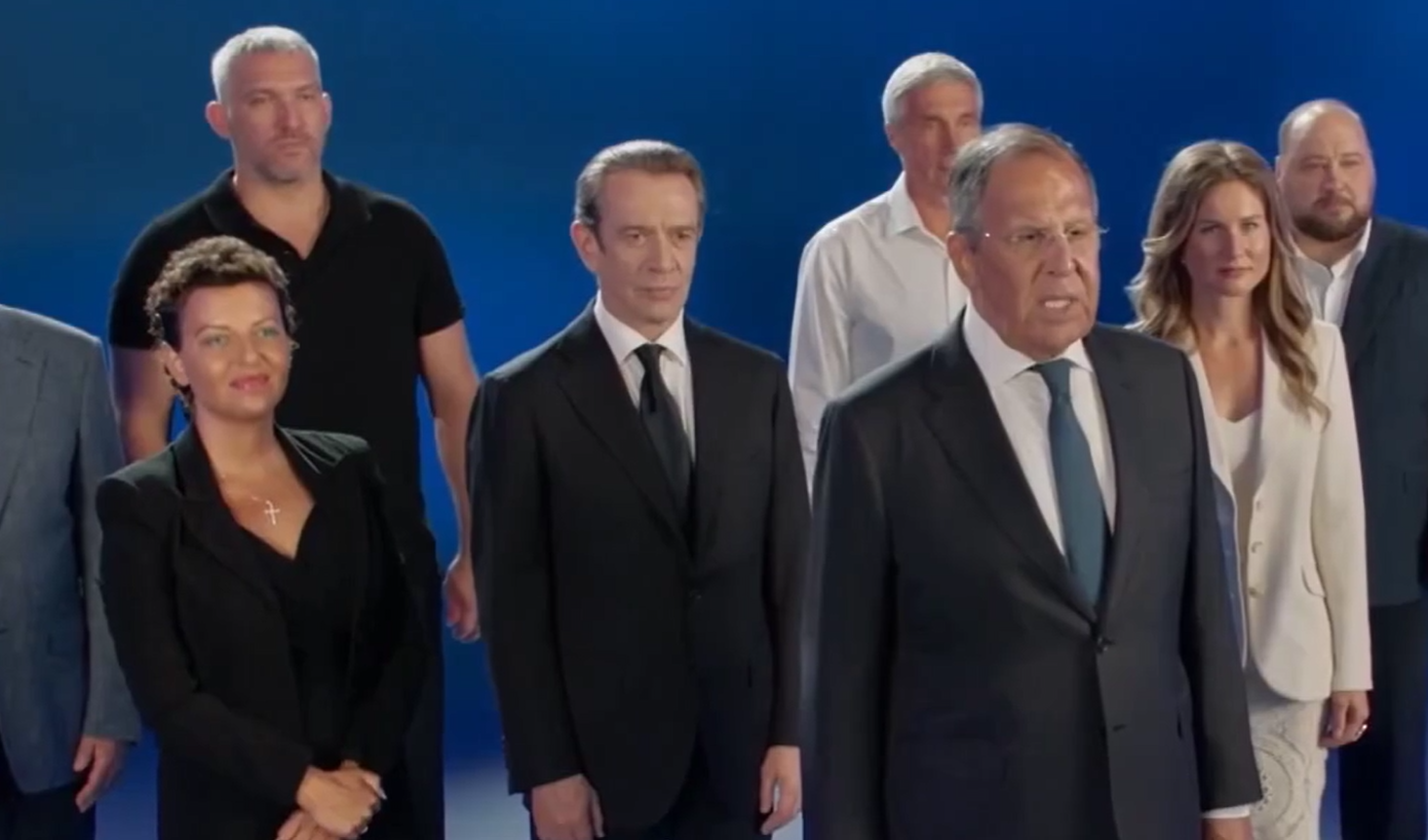
Alex Ovechkin, renowned Washington Capitals captain and future NHL Hall of Famer, faces heavy criticism after appearing in an election campaign ad for Vladimir Putin’s United Russia party. During the Russian elections, Ovechkin emphasized that he isn’t immersed in politics, expressing a desire for peace and love universally. Despite his claims, controversy erupted over his involvement in the partisan ad, which many Americans find repulsive.
Ovechkin’s endorsement was peaceful; he did not incite violence or express hatred against Ukrainians. His support of United Russia is seen by some as unacceptable, but suspending him ignores the fact that many athletes have engaged in political endorsements without facing similar consequences. The idea of punishing him suggests a double standard in professional sport.
The Political Ad and Public Reaction
In the United Russia advert, Ovechkin appeared alongside Russia’s foreign minister Sergei Lavrov and other notable figures, such as RT Editor-in-Chief Margarita Simonyan and actor Vladimir Mashkov. Lavrov warned that Moscow’s opponents should not expect mercy. When questioned about his involvement, Ovechkin simply stated, “I am Russian, I support my country,” reiterating that he hopes for peace among all nations.
Despite his intentions, supporting United Russia aligns him with a party heavily associated with Putin, who governs with a powerful grip and has been actively involved in the conflict with Ukraine. Critics argue that peace and love narratives fall short against the backdrop of Russia’s actions. Fellow athletes, like Hall of Fame goalie Dominik Hasek, have called for action against Ovechkin, highlighting the contentious nature of his endorsement.
Comparisons with Other Athletes
An examination of past political endorsements by athletes reveals inconsistencies. For instance, Stephen Curry endorsed Joe Biden at the 2020 Democratic National Convention, and LeBron James supported Hillary Clinton. Neither faced removal from their sport. Likewise, NBA player Nikola Jokić backed Serbian president Aleksandar Vučić’s party without consequences, despite reports of undemocratic practices in the election.
While the context of Russia’s war against Ukraine intensifies Ovechkin’s situation, his political alignment has not been sudden. His support for Putin dates back to 2017, with initiatives like the “Putin Team” campaign. These endorsements did not prevent him from securing lucrative contracts, including a five-year deal worth $47.5 million, signed even after his affiliation with “Putin Team.”
Moving Forward with Consistent Standards
Criticism of Ovechkin’s political association is valid, but translating it into punishment raises questions of fairness. Observers have long been aware of his views, yet they have not hindered his career or earnings. Hypocrisy prevails when harsh measures are advocated selectively based on nationality or political context.
If professional sport decides to regulate athlete endorsements, clear rules should be delineated and consistently applied. Until then, Ovechkin faces the scrutiny and questioning that come with his stance—yet continues to play and contribute to the sport he is celebrated for.