Record Pacific Ocean Temperatures Amid Intensifying El Niño
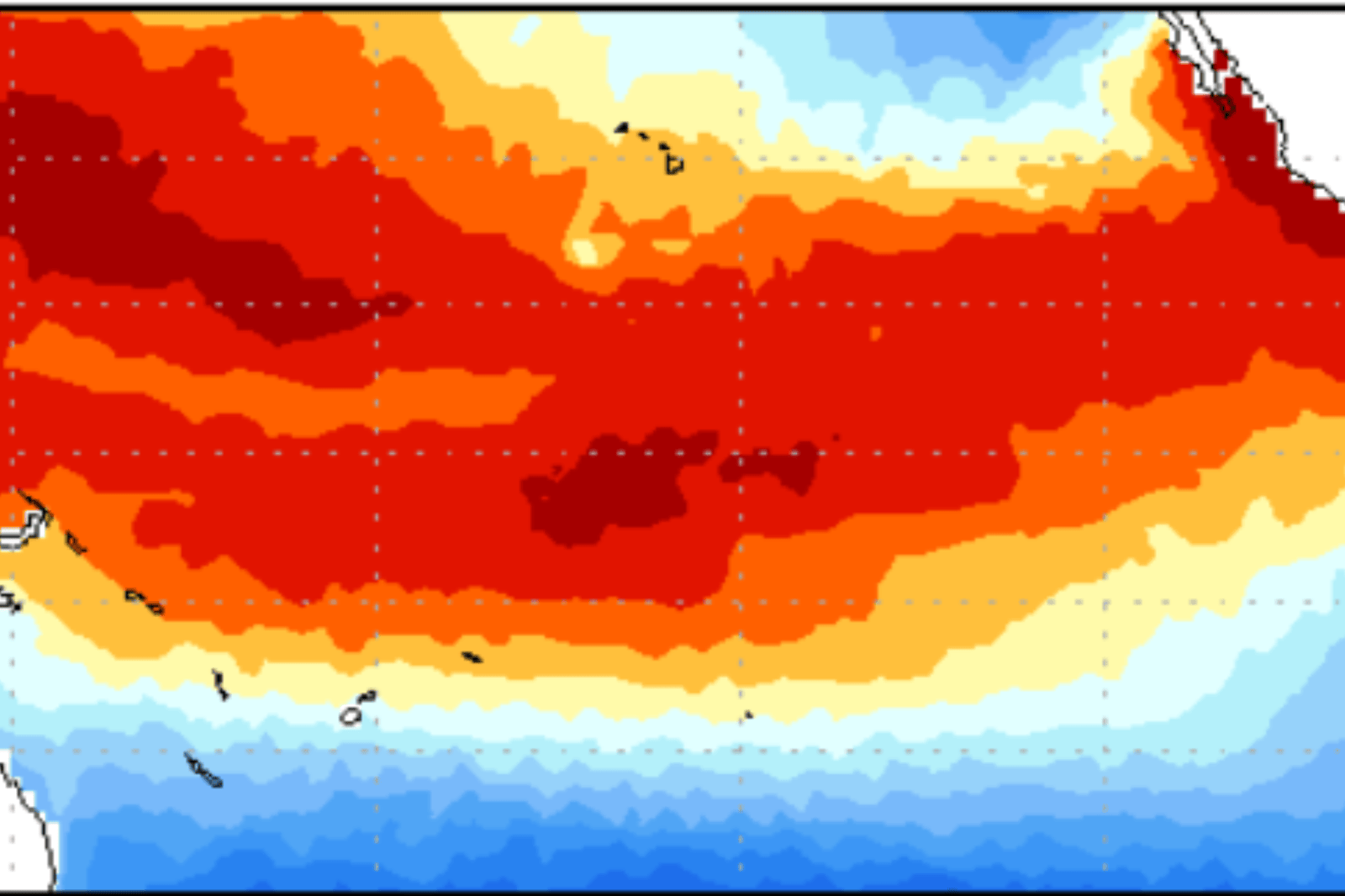
Temperatures in a crucial area of the Pacific Ocean climbed to an unprecedented high last month as the ongoing El Niño intensifies, potentially becoming the strongest event on record. The European Union’s Copernicus Climate Change Service (Copernicus) reported that El Niño pushed sea surface temperatures in this region to 29.70 degrees Celsius. This marks an “all-time high” for El Niño, surpassing the peak temperatures of earlier significant El Niño events in 1982-83, 1997-98, and 2015-16.
Copernicus Director Carlo Buontempo remarked, “This year’s El Niño is ‘very exceptional,’ though it is too early to determine if it is the strongest ever observed.” Buontempo pointed out the potential global impacts, saying, “If patterns from the past continue, 2026 may experience record-breaking temperatures, followed by a record-breaking 2027.” According to betting odds platform Polymarket, there is an 80 percent chance that the 2026-27 El Niño could be the most powerful ever, as of Monday.
For months, global weather forecasters have cautioned that this year’s El Niño might be the strongest ever recorded. The recent record temperature readings have emerged before the expected peak of the El Niño event.
Understanding El Niño
El Niño is a natural climate pattern linked with warmer Pacific waters, affecting global temperatures and rainfall. In America, El Niño typically brings stormier weather to southern areas, drier conditions in some northern regions, and impacts on hurricane activity. Federal forecasters have suggested that the current El Niño could be the strongest since 1950. The National Weather Service’s Climate Prediction Center warned last week that “an event of this magnitude” raises the likelihood of experiencing more intense impacts.
Recent Record in Pacific Temperatures
According to Copernicus, temperatures in the 3.4 Pacific region were 2.99 degrees Celsius above the September average for 1991–2020. The previous record occurred in December 1997, with temperatures 2.81 degrees Celsius above the norm. The latest record-setting temperatures have appeared ahead of the expected peak of this year’s El Niño in December, as reported by the World Meteorological Organization (WMO). This suggests that temperatures might rise even further. The National Weather Service’s Climate Prediction Center stated last week there is more than an 83 percent chance of a “strong-to-very strong” El Niño event lasting through January-March 2027.
Significance of Warm Ocean Temperatures
El Niño releases stored heat into the atmosphere, potentially driving global temperatures higher. “El Niño doesn’t add new heat to the planet. It releases stored ocean heat, which often leads to the hottest years recorded, as expected in 2024,” said Celeste Saulo at the Global Heat Forum in Bangkok. She noted, “The ocean source is the warmest ever recorded, providing more heat to release.” The WMO’s analysis indicates the Pacific’s 3.4 region warmed significantly this year, rising from 1.6 degrees Celsius above normal in June to 2.5 degrees in August.
The WMO forecasts that this year’s El Niño will “likely bring above-average temperatures to much of the globe and shift rainfall patterns, increasing the risk of drought and floods in various regions.”