Campaign Strategies of Former Presidents Obama and Trump in the 2026 Midterm Elections
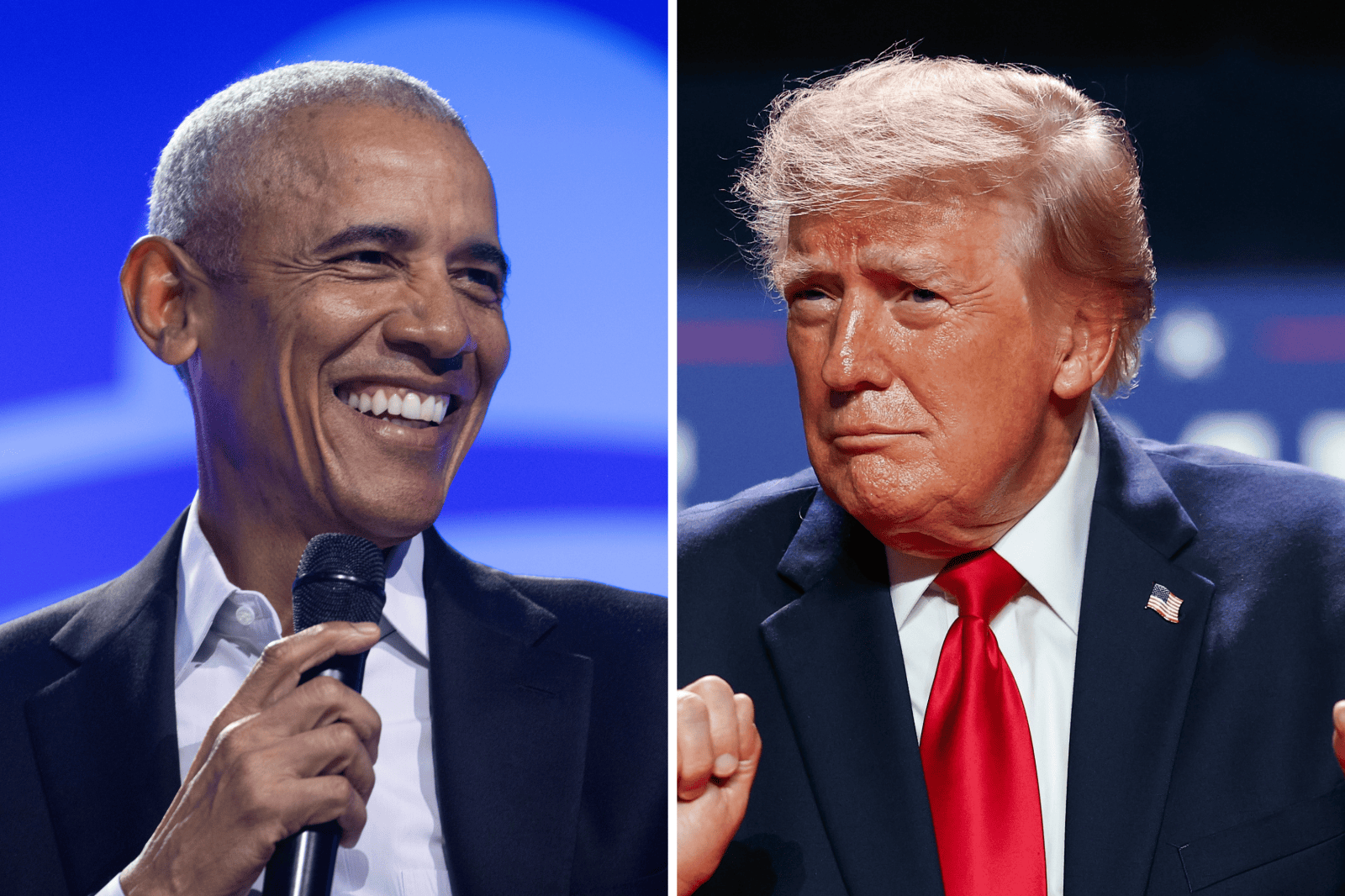
Barack Obama, former President, has announced new campaign strategies as President Donald Trump actively tours ahead of the 2026 midterm elections. With merely three weeks until November 3, both Democrats and Republicans are vying to win over undecided voters and boost enthusiasm within their base, aiming for control in the House of Representatives and the Senate.
Democrats’ Edge and National Sentiment
Polls indicate Democrats have an advantage in the House of Representatives, while the Senate race remains fiercely competitive and could hinge on a small number of states. Democrats are optimistic due to Trump’s declining national approval rating and public concerns about the cost of living, anticipating these factors might benefit them this election cycle. Historically, the party occupying the White House can lose seats in midterm elections when unpopular.
“The midterms are all about turnout, and no one energizes and engages voters like President Donald J. Trump,” said Natalie Baldassarre, national press secretary for the Republican National Committee.
Republicans’ Deployment of Trump
Republicans plan to strategically deploy Trump, who maintains popularity among Republicans despite waning overall approval ratings, to muster turnout among their conservative base. Polls reveal a lag in their enthusiasm. Newsweek contacted the Democratic National Committee for comment, but they haven’t yet responded.
Trump’s Campaign Strategy
This year, Trump has conducted campaign rallies in nearly two dozen states for both primary and general election seasons. Recently, rallies were held in conservative states like Nebraska, Oklahoma, and Tennessee, alongside crucial battlegrounds such as Ohio and North Carolina, with competitive Senate races.
Upcoming rallies include Youngstown, Ohio on Monday, Wasilla, Alaska on Tuesday, Bullhead City, Arizona and Kalispell, Montana on Wednesday, and Dalton, Georgia on Friday. Senate Majority Leader John Thune noted Trump’s electoral map evaluations to identify regions under Republican influence where his presence could significantly impact turnout.
Obama’s Campaign Strategy
Obama adopts a selective approach, endorsing candidates and holding a single rally in Detroit, Michigan. He supports Democrats Jocelyn Benson and Abdul El-Sayed in gubernatorial and Senate races and appears in advertisements for El-Sayed and Scott Colom, the Mississippi Senate Democratic candidate.
Obama surprisingly appeared with Texas Senate and governor candidates James Talarico and Gina Hinojosa earlier this year and joined Democrats at a private fundraiser reported by The Washington Post, expressing astonishment at unexpected states being in play.
Joe Biden’s Involvement
Former President Joe Biden endorsed several candidates but doesn’t plan any public campaign events ahead of midterms.
House and Senate Flipping Chances
Democrats require flipping a few seats for a House majority as Republicans currently hold 218 seats; Democrats have 214 seats. The latest Reuters/Ipsos poll shows Democrats leading Republicans by 7 points on the generic ballot, a crucial metric in determining House control status.
Democrats face a tougher Senate flip, where Republicans hold a 53-47 majority, requiring four seats for a majority. Critical competitive states include Maine and North Carolina. Democrats need victories in states Trump won by double digits, including traditionally strong Republican states like Alaska, Iowa, Kansas, Ohio, and Texas.
Prediction markets like Kalshi and Polymarket estimate Democrats had a 62% probability for Senate victory and a 90% probability for House victory. They show fluctuating prices, measuring sentiment at present.
Future Campaign Actions
More campaign activities involving presidents are likely forthcoming. Candidates are making final pitches as early voting starts in some states.
Newsweek’s AI assistant, Martyn, helped produce this article. For inquiries, contact the editors: Jenni Fink and Gray R. Thomas.