Redefining Recycling Labels: The Importance of Accurate Information
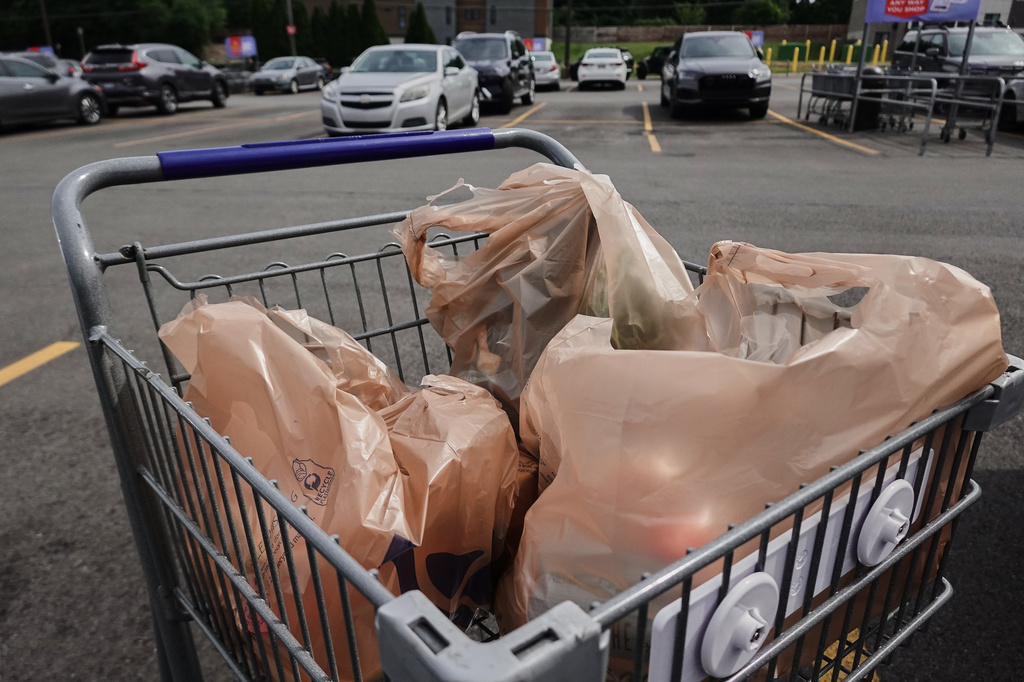
Plastic bags laden with groceries are a common sight in Cincinnati, reflecting a significant issue in recycling. The familiar ‘chasing arrows’ symbol on takeout containers leads many to assume these containers are easily recycled. However, the reality is much more complicated.
Created for the first Earth Day in 1970 by a California student, the symbol was originally intended to mark products as recyclable. But since the late 1980s, the Plastics Industry Association began using it to classify plastic types, regardless of their ability to be recycled. As a result, less than 9% of plastics in the U.S. are recycled, despite the country being the largest plastic waste producer globally. Many plastics end up in landfills or oceans, with severe environmental consequences.
“More than a garbage truck’s worth of plastics enters the ocean every minute.”
Most plastics on beaches are not recyclable, and small plastic pieces pose deadly threats to marine wildlife. A mere sugar cube’s worth of plastic is lethal for one in two Atlantic puffins upon ingestion.
This misunderstanding of recycling symbols highlights a significant regulatory failure. Better regulation is crucial for protecting American waterways and coastlines. A recent legislative proposal aims to simplify the complex recycling rules, enhance labeling clarity for consumers, reduce greenwashing, and improve the recycling stream in the U.S.
The Truth in Labeling Act represents a critical step forward. Proposed by Sen. Jeff Merkley (D-Ore.) and Rep. Lou Correa (D-Calif.), this bill seeks to establish clear guidelines on labeling products as ‘recyclable,’ ‘compostable,’ or ‘reusable.’ Before a product can bear the label ‘recyclable,’ companies must prove it can be routinely recycled and has a market for its recycled materials. Importantly, harmful chemical recycling methods do not qualify as recycling under this bill.
The act would also eliminate the misuse of the chasing arrows symbol on non-recyclable materials, ensuring consumers are not misled about their recyclability. Enhanced clarity in recycling labels is vital, given the existence of additional proposed bills like the PACK Act and the Recycled Materials Attribution Act. These bills pose weaker standards and could promote greenwashing by giving credits to chemically-recycled materials.
The need for reliable labeling is so pressing that these acts, by allowing harmful recycling methods such as turning plastics into fuel, might mislead consumers. Plastics could be labeled ‘100 percent recycled content’ through credits, even if made mainly from new plastic. The PACK Act, claimed to reduce confusion, fails by relying on industry-associated third-party certifiers to define recyclability, also restricting state interventions for clearer standards.
To curb ocean plastic pollution, reducing plastic production is essential, supported by a transparent recycling system. The Truth in Labeling Act offers a necessary correction to the recycling system, addressing these challenges.
Anja Brandon, Ph.D., is the director of plastics policy at Ocean Conservancy.