Redefining Strength and Fitness in Later Life
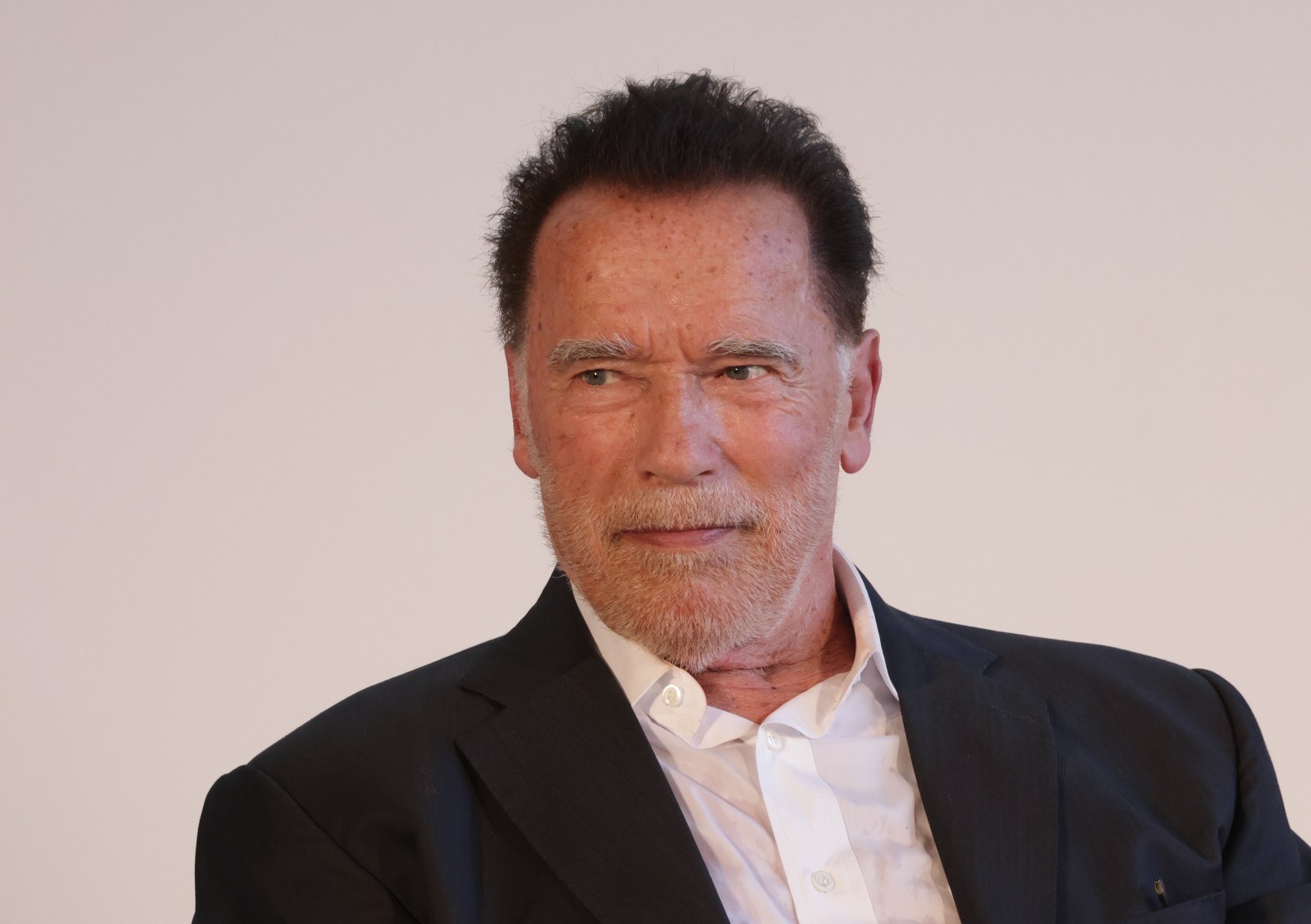
When I competed as a bodybuilder, strength meant more: more weight, more intensity, more challenges. This mindset led to 13 world titles. But as time passed, I learned to integrate recovery and adaptability into my approach. Perseverance—especially during tough times—often deters many from fully experiencing life, as pain convinces them to stop before realizing their potential.
As I approached 70, questions about my workout routine increased. People wondered why I still trained and suggested taking a break. They seemed to think fitness had an endpoint. It does not. Not every session is stellar, and sometimes, the mere act of showing up is an achievement.
Aging often comes with assumptions: pain, stiffness, and a slower life are considered normal. Throughout my life, I have heard this narrative many times. I have undergone surgeries on my shoulders, heart, and hip. I understand the message that aging may decrease physical capability. Getting older is challenging, but I refuse to accept that it limits life.
Post-heart surgeries, doctors advised against heavy lifting. This was tough to digest for someone used to pushing limits. In the gym, I relearned exercises with lighter weights. Familiar movements demanded increased focus and patience. This adjustment taught me that if you do not actively challenge them, limitations quickly take hold.
On difficult mornings, when inspiration is absent and joints feel weighted, I still get moving; I often find my rhythm during the journey. I observe others around me experiencing similar patterns. Avoiding small physical challenges gradually makes life more restrictive without conscious awareness.
In my life, I coach fitness enthusiasts of all ages; our oldest member even celebrated 100 years. I play with my grandkids, testing my mobility honestly. Over time, moving shifted from how my body appeared to maintaining the capacity for activities I value.
Decisions influenced by pain and stiffness—such as climbing stairs or keeping pace with family—threaten independence. Evidence supports that regular exercise reduces pain, enhances function, builds strength, and sustains life quality.
Throughout six decades of training, my routine has evolved. Now, I emphasize lighter weights, more repetitions, and shorter rests to sustain intensity. Biking has replaced running, and skiing ends at the half-day mark. Discipline is not stubbornness; it involves a consistent, controlled approach to ensure continued mobility.
My guiding principle from Teddy Roosevelt still rings true: “If you rest, you rust.” The more I age, the more relevant it feels.
Dispelling myths about aging is crucial. Movement and fitness are not just privileges of youth; they preserve independence and resilience. I’ve witnessed transformations in people reaching their 70s, breaking records in powerlifting, and proving strength can improve even into the 80s and 90s.
We must discuss aging and longevity honestly. Movement fosters the maintenance needed for life, safeguarding independence and passion.
Arnold Schwarzenegger is a former bodybuilder, actor, California governor, and promoter of fitness and public health, serving as Chief Movement Officer at Zimmer Biomet.