Reflection on America’s Security Landscape Post-9/11
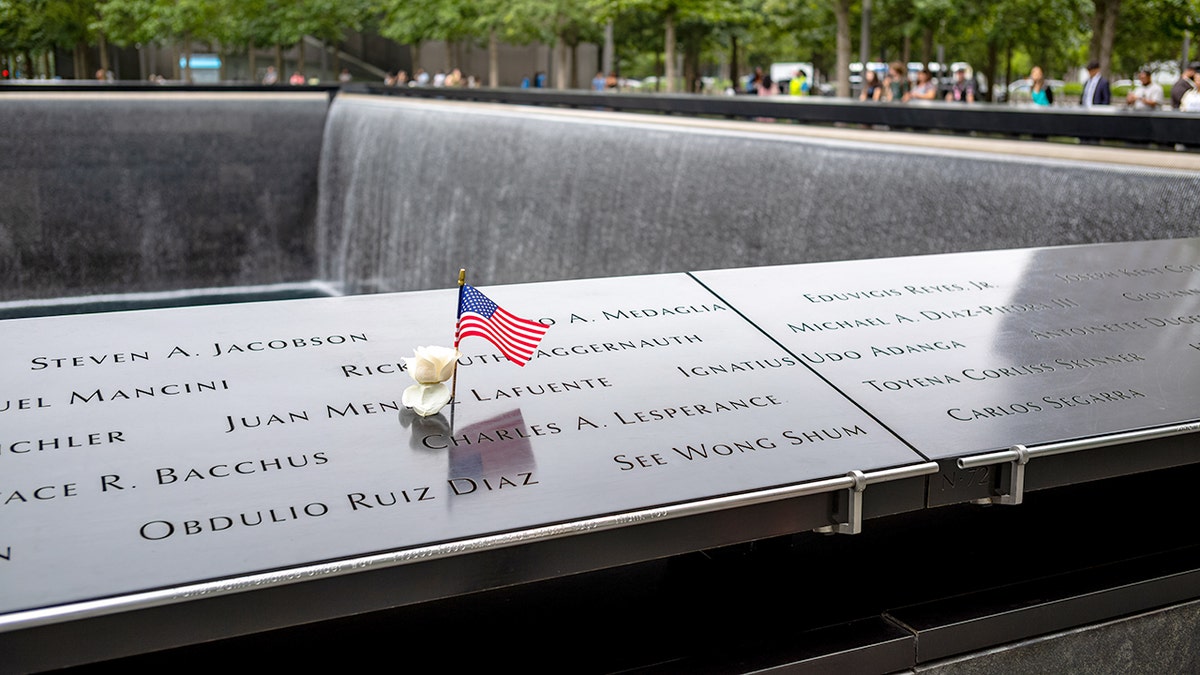
The morning of September 11, 2001, was marked by tragedy when American Airlines Flight 77 hit the Pentagon. Javed Ali, who drove past the site on his way to work in northern Virginia, witnessed its aftermath from his office in Falls Church as smoke billowed from the Pentagon. A year later, Ali entered the still-recovering building working in the Defense Intelligence Agency’s counterterrorism office.
Ali’s career took him from the DIA to the Department of Homeland Security and later the FBI. This journey offered him insight into the vast security framework America developed post-9/11. Twenty-five years have passed, and while efforts have made large-scale attacks like 9/11 less likely, challenges have evolved, revealing a paradox within the national security architecture.
The large-scale terrorism threat that claimed 2,977 lives on 9/11 has been restrained through extensive U.S. intelligence and military operations. Al Qaeda’s network has been dismantled, and agencies with surveillance authorities have emerged to prevent similar vulnerabilities. The 2026 intelligence assessment indicates al Qaeda and ISIS have been weakened, hindering their capability to plan significant attacks.
Nevertheless, despite these achievements, terrorism has morphed. Online radicalization, small cells, and state-sponsored cyber threats pose new challenges. The safety question remains complex as Americans face diverse risks.
Ali’s observations underscore this shift: “We are safer from a certain type of threat, but not immune from terrorism. Other threats are much harder to identify and stop.”
Building a security state after the initial attacks involved unprecedented measures. President George W. Bush established the Transportation Security Administration, marking the largest civilian endeavor in U.S. government history. Congress subsequently formed the Department of Homeland Security, uniting multiple agencies. DHS operates across security, intelligence, and emergency missions with over 260,000 employees.
These changes addressed failures identified by the 9/11 Commission. Scattered responsibilities and inconsistent information-sharing necessitated reforms. The commission emphasized improving accountability and integrating intelligence efforts across agencies.
Brown University’s Costs of War project estimates around $8 trillion spent on post-9/11 conflicts, with over $1.1 trillion devoted to homeland security since the DHS’s creation. Ali highlighted that even after major operations in Afghanistan, al Qaeda continued plotting, evident in incidents like the 2006 plan to bomb transatlantic airliners.
Usama Bin Laden’s demise in 2011 didn’t end terrorism challenges. ISIS’s rise demonstrated the shifting terrain, expanding territory in Iraq and Syria, spreading influence, and directing attacks globally. The focus turned to individuals radicalizing within Western countries, complicating counterterrorism efforts.
Today, attacks often emerge from lone offenders whose ties are hard to trace. Recent incidents involved figures outside law enforcement’s radar. Ali noted the complexity: “It is extremely difficult for authorities to identify people who might not commit a crime until moving toward violence.”
Changes in threat assessments reflect these adaptations. The Office of the Director of National Intelligence’s 2026 report indicates Islamist groups pivoting toward propaganda and information operations as direct attacks become difficult.
Recent data revealed several U.S. Islamist terror plots originated from online connections or foreign inspiration. Authorities thwarted at least 15 such plots in 2025, highlighting lone actors’ risks and challenges in detection.
Debates over the security system’s size and efficacy have emerged. Critics argue post-9/11 measures were too bureaucratic, entailing excessive costs while neglecting evolving vulnerabilities. As Morgan Murphy critiqued, “Frisking passengers misses our adversaries accessing our homes and businesses.”
George W. Bush’s approach triggered responses structured around expansive government tools and Middle Eastern conflicts. Washington debated bureaucracy versus agility and targeting real threats efficiently. Theo Wold suggested, “Now we know better: Americans are safest when nimble and focused on real dangers.”
Today’s threats encompass cyber, espionage, infrastructure disruptions, and geopolitical adversaries. This complexity requires vigilance beyond traditional terrorism tactics.
Ali advocates prioritizing counterterrorism before threats mature, warning against complacency where terrorist entities can regain strength. He maintains terrorism as a tactic is unlikely to vanish while the United States must remain prepared to confront emerging dangers.
Ali’s reflections acknowledge the paradox: America fortified its defenses to prevent another 9/11. Although such attacks seem harder to execute, determining threats that diverge from historical patterns remains a formidable challenge.