Reflections from Afghanistan on September 11 and Aftermath
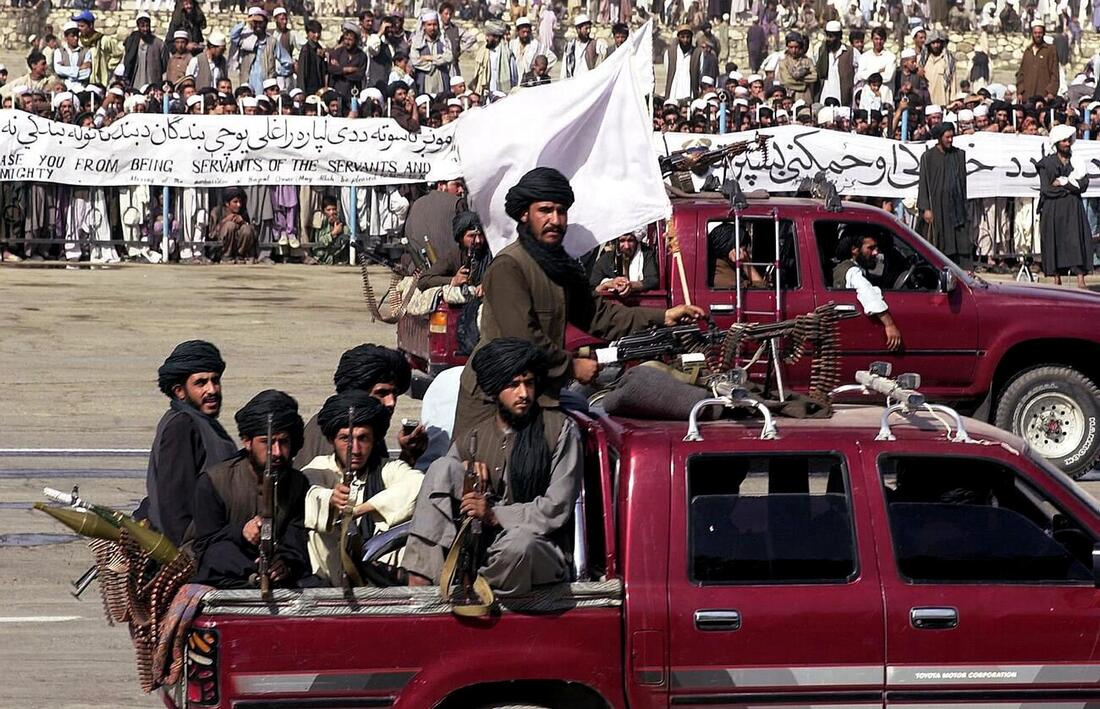
Members of the Taliban militia rode in vehicles during Afghanistan’s annual Independence Day parade in Kabul on August 19, 2001. Afghanistan remained isolated under Taliban rule from 1996 to 2001. This changed drastically after September 11, 2001. The attacks altered global dynamics, leading Afghanistan into the world’s spotlight.
Looking Back: A Note from 2016
Initially published on September 8, 2016, the recollection marked the 15th anniversary of the September 11 attacks. By 2021, the Taliban regained control of Afghanistan. For many, September 11, 2001, remains unforgettable. People recall their exact location upon learning about the planes hitting the World Trade Center and the Pentagon. At that time, I covered Afghanistan for Time magazine and had just arrived in Kabul.
Afghanistan in 2001
I arrived in Kabul on September 9 to cover the trial of eight foreign aid workers accused by the Taliban of preaching Christianity. Such acts carried the death penalty, and among the accused were two Americans. Afghanistan, a nation weary under harsh Taliban rule since 1996, suffered severe deprivation. Its society braced itself on foreign aid, grappling with drought and imminent famine. The Taliban regime received recognition only from Pakistan, Saudi Arabia, and the United Arab Emirates. Entry and exit often relied on flights from Pakistan, facilitated by the United Nations and aid organizations.
Kabul bore a desolate appearance, crippled by poverty and trauma. Those who could afford to had left this once-thriving city. Infrastructure crumbled. Electricity remained sporadic, and communication systems were non-existent. Roads saw scant traffic. Private homes chose drawn curtains, avoiding unwanted attention. Two months after the Taliban’s takeover, Kabul continued to face severe restrictions on personal freedoms.
Life Under Taliban Rule
The Taliban enforced rigid laws. Men grew beards and wore turbans. Girls couldn’t attend school. Women wore burqas and were restricted from making noise. Most women were barred from working outside, and any trip outdoors required a male escort. War widows risked punishment by begging alone. The religious police patrolled Kabul in black pickups, enforcing prayer, punishing offenses, and conducting public executions.
Increased Restrictions Prior to September 2001
The Taliban issued various edicts, exacerbating hardships. They banned Internet use, nail polish, and women’s white socks. Even lobster faced a ban in the landlocked nation. Activities like television watching, photography, and kite-flying had long been off-limits. During December 2000, a World Food Program bakery served as a critical lifeline, providing subsidized bread to a significant portion of Kabul’s population.
I witnessed Afghan resilience in 2000 during a visit to a widow’s home. Fearful of surveillance, the family whispered favorite songs. Musicians hid their instruments or relocated. The disconnect from the world was palpable.
September 9, 2001, in Kabul
After arriving on September 9, I met my official Taliban translator. While exceptionally courteous, he expressed that working for the Taliban didn’t equate to agreement with their beliefs. That evening, a suicide attack claimed Ahmad Shah Massoud’s life. His attackers posed as TV journalists, detonating a bomb concealed as a camera.
By the time the World Trade Center towers fell on September 11, Kabul was nearing sunset. With TV banned, Afghans missed the global outcry. Unable to comprehend the scale, likenesses to Afghanistan’s recently destroyed Bamiyan Buddhas helped convey the scene.
Journalists and I rushed to the U.N. compound, accessing satellite TV to witness the events along with anxious relatives of the detained aid workers. John Mercer’s despair echoed the surreal uncertainty as he fretted over his daughter Heather on trial.
Reacting to Catastrophe
Afghans relied on radio broadcasts for updates. Men listened attentively, distressed by perpetual violence. Fear of U.S. retaliation loomed large, given that the Taliban sheltered Osama bin Laden, orchestrator of the attacks. Despite disliking foreign Arabs and understanding the liability bin Laden posed, the Taliban refused extradition.
Tensions in Kabul
On September 11 evening, a press conference convened in Kabul’s Intercontinental Hotel with Wakil Ahmad Muttawakil, the foreign minister. Muttawakil emphasized allegiance to bin Laden but seemed shaken. The next day, I met him to discuss bin Laden’s continued presence. Muttawakil argued bin Laden’s past support justified his protection.
I left Kabul when international aid workers evacuated. Diplomats and families of detained aid workers followed suit. As I departed, uncertainty hung. The ensuing U.S. military response was frantic, upending lives and destabilizing the region.
Aftermath and Change
Returning to Afghanistan in 2002, and again a decade later, I witnessed Kabul’s transformation. Signs of revival marked small victories: music, bustling bazaars, the return of Afghan professionals. The lunch place where I once faced expulsion warmly welcomed my return, depicting the stark contrast against the Taliban years.
The Taliban Resurgence
The Taliban resurgence contrasted with the revival, reinstating fear across Afghan society. Frequent attacks continued targeting schools, eateries, and public spaces. The scars of al-Qaida persist. In December 2013, I visited a cave in Logar Province. Former al-Qaida training grounds evoke unsettling memories.
The Taliban years shaped Afghanistan. As history unfolded, once-settled terrorists executed plans from afar, leaving an indelible mark on world affairs. Those years and their outcomes continue to resonate globally.