Republicans Face Challenges Similar to 2006 in Upcoming 2026 Midterms
The 2026 midterm election looms large for Republicans. Its outcome may hinge on who successfully controls the narrative. Historically, Republicans faced similar issues in 2006 when the Iraq War became a critical point.
Following the presidential election in 2004, Republicans held a majority in the House with 232 seats, while Democrats had 202. In the 2006 election, this shifted dramatically; Democrats gained control with 233 seats to the Republicans’ 202.
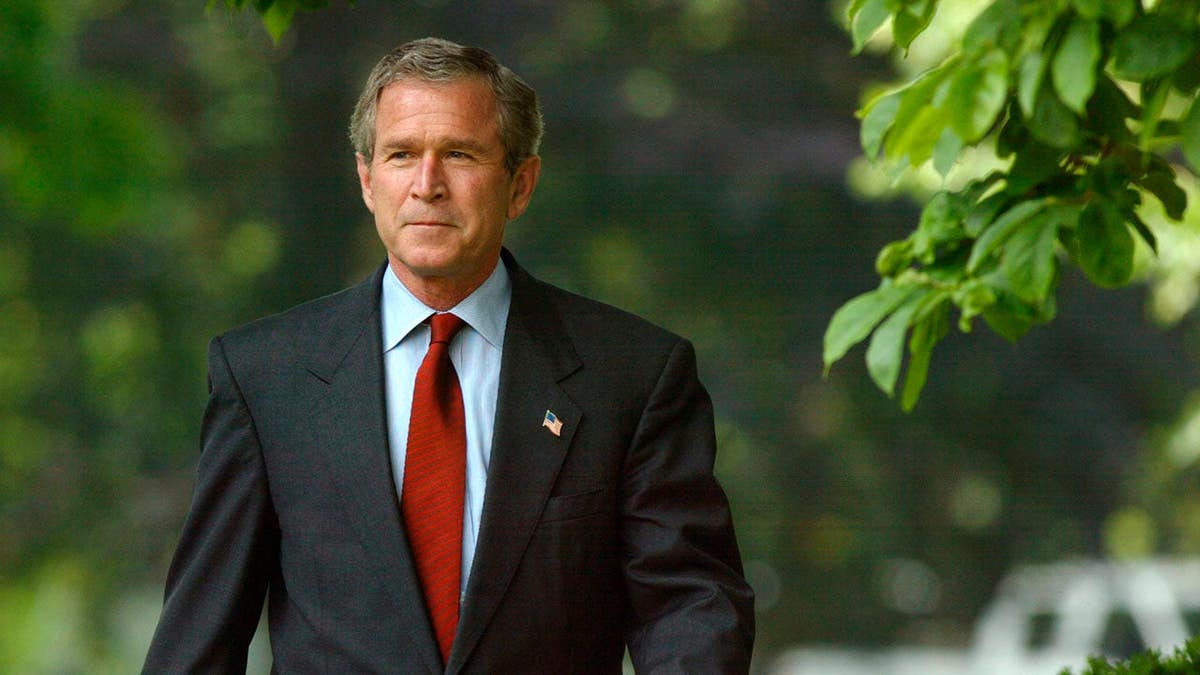
Despite the surprising loss, the 2006 economy experienced growth at 3%, alongside 1.8 million new jobs. Nonetheless, Republicans lost their House majority largely due to a failure to dominate the narrative and lack of a forward-thinking plan. President George W. Bush’s popularity waned after 9/11 as Republicans lost the 2006 midterms.
The Iraq War emerged as the dominant issue. A majority of Americans, around 56%, expressed disapproval in exit polls. This discontent, coupled with the Mark Foley scandal, drove independent voters to favor Democrats by a margin of 57% to 39%.
While the Iraq War was not as immediately impactful as Vietnam or World Wars, rising gas prices echoed similar past challenges. However, gas prices had begun to decrease by the election’s time.
Regarding the Iraq War, nearly 20 times more Americans had perished in Vietnam by 2006, providing context for the public’s perception of relative losses.
The public’s perception of the Iraq War, ongoing scandals, and lack of a Republican vision defined the 2006 elections.
Elections should consider not only past events but also potential futures. In 2006, Republicans offered no compelling future vision to voters. The economic narrative was overshadowed by the Iraq War. Republicans failed to present a concrete plan, unlike typical midterms where the party in power proposes forward-looking policies.
Instead, Republicans relied on financial advantages, previous successes, and voter mobilization strategies. These factors failed to move the narrative in their favor.
Today, comparisons between 2006 and 2026 become apparent. Once again, Americans find themselves involved in a Middle East conflict. Gas prices have risen. The economy shows positive signs, with low poverty rates, manufacturing growth, and strong consumer spending. Wages outpace inflation, and the stock market performs well.
Yet, amidst a divided media landscape, many Americans remain unaware of these economic gains. Republicans have also not articulated a strategy for 2027, instead criticizing Democratic policies without providing a forward-looking platform.
Republicans risk repeating their 2006 mistakes unless they present a plan. Suggested focuses include:
- Halving the federal tax for homeowners selling their properties, with no tax for seniors over 65, stimulating the housing market.
- Protecting Social Security by cutting government fraud, equating $100 million saved to over 42,000 monthly benefits for seniors.
- Ensuring safety in the AI era for Americans.
The old adage holds: “You can’t be something with nothing.” Republicans need to propose substantial initiatives to win in 2026.
Tom Del Beccaro, author and political commentator, emphasizes the importance of proactive strategies.