Rescue Efforts Amid Nepal Hydro Plant Disaster
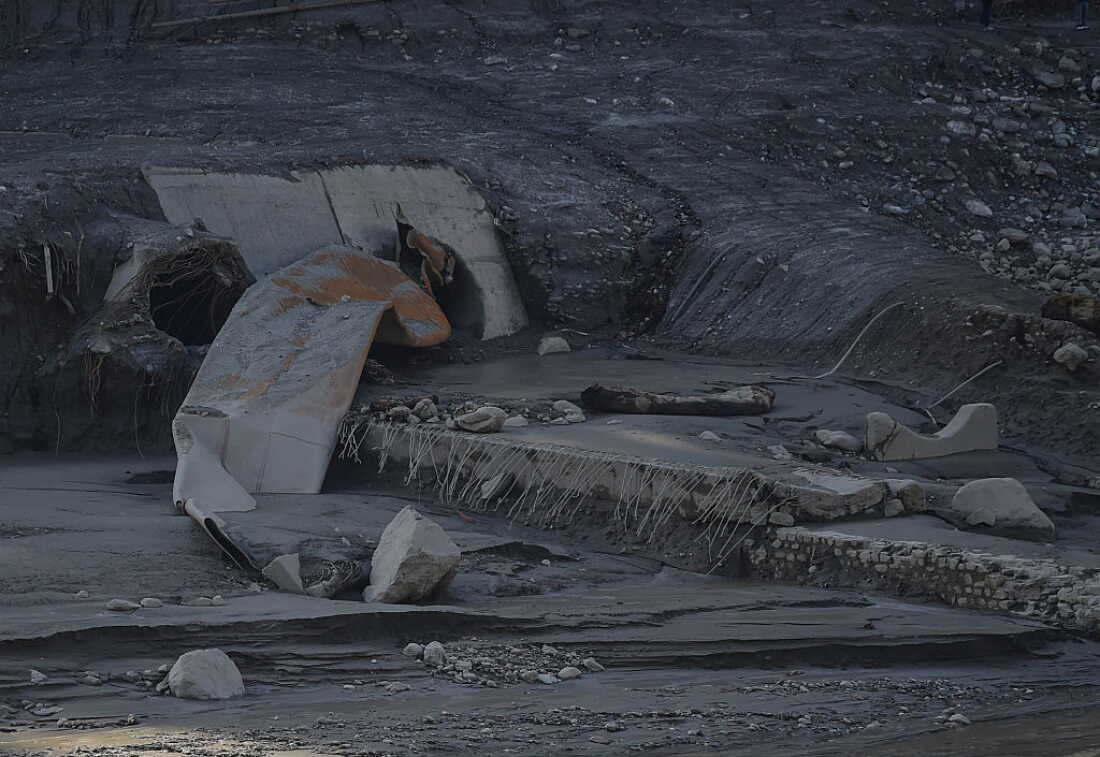
In Nepal, a week after devastating flash floods struck communities along rivers, rescue teams are still searching for survivors. The floods have led to more than 1,000 deaths and buried around a dozen hydropower plants in mud.
Rescue leader Arnold Dix shared the challenge is in locating the tunnels where survivors may have fled. Finding these tunnels is difficult due to changes in the landscape. The scene is reminiscent of a bomb explosion.
Nepal’s army and rescue teams, numbering about 21,000, are leading the operation. They face the task of locating approximately 4,000 missing people. The military shared video footage online showing rescuers navigating through narrow, drenched tunnels.
Flood Impact and Caused Collapse
The disaster began when a glacier roughly 3,000 feet wide detached and descended about 4,000 feet into a river. The floodwaters, carrying debris and ice, demolished buildings and erased riverbank communities, burying many hydropower facilities lined along the Trishuli River.
Arnold Dix explained that these power stations were effectively removed from the landscape. The ground has risen significantly in affected areas, and the river’s course has shifted. Numerous power stations face complete or partial destruction, with many trapped workers within the power tunnels.
Challenges in Tunneling Efforts
Advanced mapping is crucial for locating the tunnels, especially around turbine houses where survivors may be. Dix highlighted efforts at the Trishuli 3A hydropower plant, where potential survivors are believed trapped. Rescuers have begun excavating the tunnel entrances now submerged by the river.
However, immense boulders and accumulated mud have made access challenging. Despite standard rescue protocol against using explosives, the army was called in to blast through these obstructions, creating drain paths to channel out water.
Rescue Successes and Government Response
Some successful rescues have occurred. Prime Minister Balen Shah confirmed nearly 300 people were saved from various project sites. Most were rescued from the Upper Trishuli-1 power plant, still under construction.
Worker Janak Thapaliya shared his survival story after escaping floodwaters by climbing onto a floating tanker. He expressed frustration at the perceived delayed government response to international aid offers. However, officials clarified that aid was accepted based on actual needs.
Government efforts continue to adapt to the disaster’s complexity. Nepal accepted assistance from India, China, and South Korea, with specialized teams arriving for support. The situation remains tense, but coordinated efforts aim to maximize relief and rescue outcomes.