Rethinking U.S. Health Policy: Lessons from Abroad
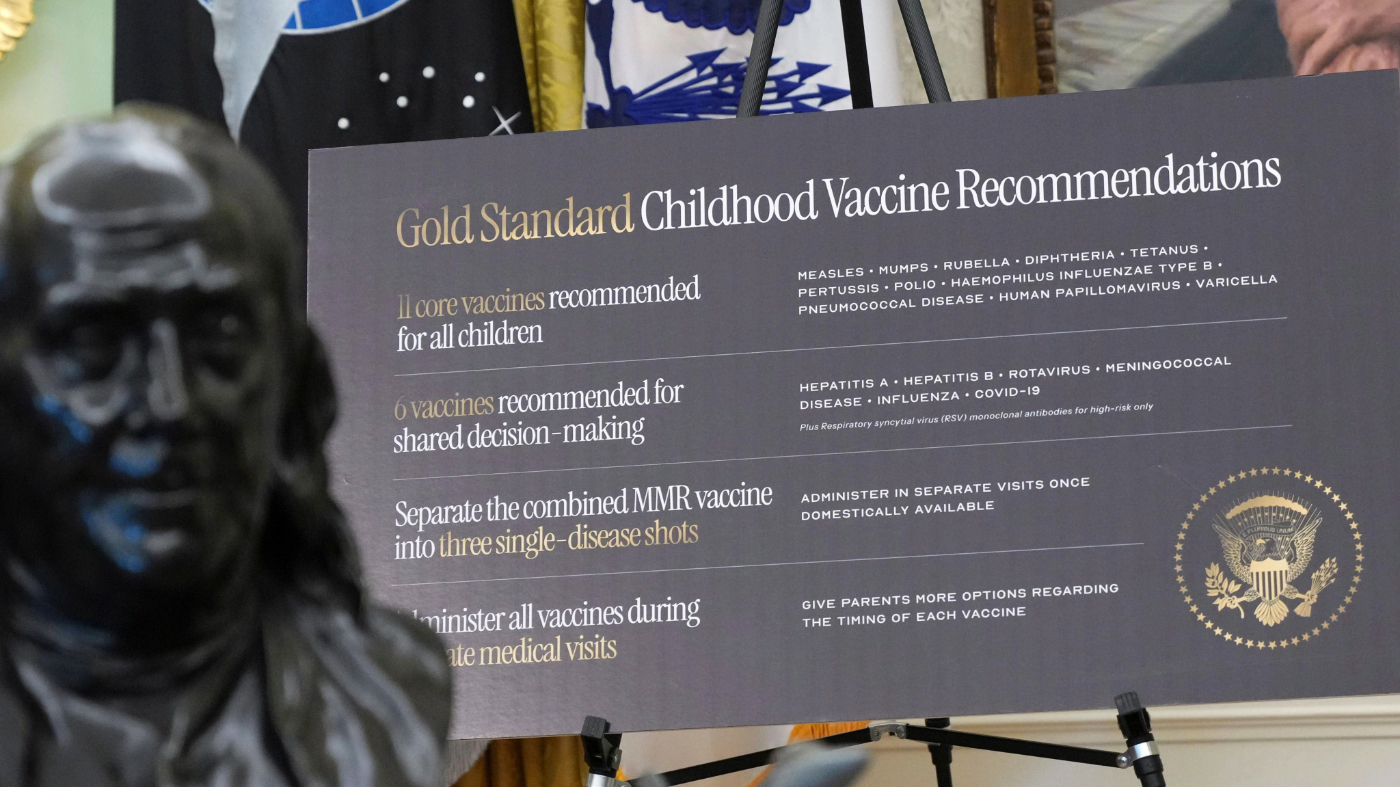
On August 10, President Donald Trump signed an executive order in the White House. The order calls for the U.S. to adopt a reduced childhood vaccine schedule. President Trump claimed this change aligns the U.S. with other advanced nations.
However, this decision may endanger American families. It could worsen the nation’s health outcomes compared to global peers. Countries like Denmark offer valuable healthcare lessons, but vaccine policy is not among them.
Reginald D. Williams II, a senior vice president at the Commonwealth Fund, has studied healthcare systems worldwide. He suggests America should look to other countries for health improvement strategies. Despite spending more on healthcare, Americans’ health and lifespan lag behind those of countries that spend less.
Global Health Insights
Countries such as Denmark, Germany, and Japan often surpass the U.S. in health metrics. Their citizens enjoy longer lives, healthier births, and fewer chronic diseases. Contrary to what some believe, these outcomes don’t stem from different vaccine schedules. The U.S. schedule aligns with those of many peer nations.
Denmark differs in that its schedule suits a small, homogeneous country with universal care. This doesn’t apply to the U.S. Stronger primary care systems in countries like Denmark allow them similar protection with fewer doses. Meanwhile, the U.S. schedule includes more doses to compensate for a fragmented system.
Healthcare System Investments
For better health, the U.S. should ask why some countries have superior health access and outcomes. Denmark and other nations have established affordable, accessible healthcare systems. Universal health coverage ensures regular primary care access and affordable prescriptions.
Countries like Denmark provide vaccines freely and support mothers and children through public health policies. This approach results in earlier disease diagnosis, effective chronic condition management, and stronger preventive care. Denmark’s health success results from decades of strategic policy decisions, not a unique vaccine schedule.
In contrast, millions of Americans are uninsured or underinsured. High deductibles and out-of-pocket expenses force some to delay care. Prescription costs lead patients to skip medications, contributing to preventable illness and mortality. Medical debt burdens many families.
A Path Forward
To improve U.S. health, we should adopt policies that have worked elsewhere. This involves making healthcare and prescriptions more accessible and investing in primary care, maternal health, and prevention. Building a system that fosters lifelong health rather than crisis response is crucial.
America can learn from the health security enjoyed by residents in countries like Denmark, Germany, and Japan. Their success lies in ensuring healthcare is a right for all, not a privilege. This requires strategic investments and policies. Reginald D. Williams II emphasizes that health improvements come through systemic change, not altered vaccine schedules.
© 2026 Nexstar Media Inc. All rights reserved.