Rising Grocery Prices Impact American Families
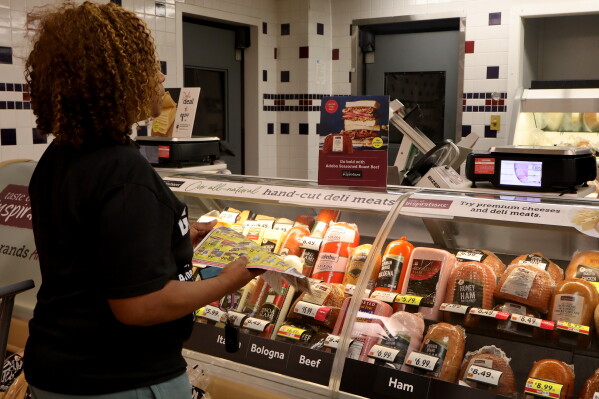
Lately, at Apral Jack’s home, dinner depends on supermarket deals. Jack uses an app for discounts and checks weekly circulars for coupons before shopping. If prices are steep, she avoids buying and seeks better rates elsewhere. “The apples went up here, the ones I eat, so now I’m not going to get them here. I’ll go to Market Basket, where I can get them cheaper,” said Jack while shopping at Stop & Shop in Lexington, Massachusetts. Couponing, comparison shopping, and reducing favorite foods are new habits for Jack and many Americans dealing with soaring grocery prices.
Buying food for home has surged 33% in U.S. cities since 2019, according to government data. Previously, prices rose 6.4% over 7.5 years. Several factors caused this significant increase. The coronavirus pandemic disrupted supply chains and raised labor and transport costs. Environmental issues and diseases reduced production. Tariffs inflated prices on imports like coffee and chocolate. Ongoing geopolitical conflicts further pressured oil and fertilizer supplies.
The recent Middle East conflict has exacerbated food price inflation. Rising costs at supermarkets have fueled voter frustration, impacting the fall midterm elections. Data indicates weekly earnings for full-time workers increased faster than grocery costs since 2019, according to the U.S. Bureau of Labor Statistics. Yet, shoppers remember when their budgets stretched further, as other expenses like housing also soar.
Jared Bernstein, a senior policy fellow at the Stanford Institute for Economic Policy, notes, “People have a well-honed sense of those prices, just as much as gas and maybe more so. You need groceries to live.” Although median wages hint at handling higher prices, this figure overlooks individual budget strains from price hikes. In 2024, Americans spent 12.9% of pretax income on food, with the lowest-earning households spending 33%, as per the U.S. Department of Agriculture.
Food prices vary by region. In St. Louis, home food costs rose 2% annually, compared to 6% in San Francisco. Residents in urban areas with higher-than-average inflation shared their adaptive strategies—finding discounts, switching brands, and relying on food banks. “It’s almost like a strategy, a household strategy, where financial pressure just hasn’t disappeared, so consumers are really developing their own playbook on how to navigate it,” said Sally Lyons Wyatt, global executive vice president at Circana.
In Texas, beef, a luxury for some, epitomizes soaring prices. By June, ground beef hit $6.82 per pound, a 79% increase since 2019, Bureau of Labor Statistics data shows. A shrinking cattle herd, droughts, and rising feed and fuel prices contribute to this. Ada Torres in Cleveland, Texas, no longer buys ground beef; it’s too costly for her family.
Torres, living with her daughter and grandchildren, cuts costs by choosing Walmart’s Great Value over branded products. While chicken and deli meats are now proteins of choice, she worries about her grandchildren’s nutrition. With reduced income during Texas’ rainy season, her family ensures one full meal a day, with breakfast and dinner kept simple.
In Boston, Jack’s grocery shopping previously included Whole Foods, but now she shops prudently. She plans meals based on app-discovered sales and digital coupons. Though she no longer buys certain canned goods or substitutes disliked store brands, she remains open to store-hopping for better prices.
Matt Hamory of AlixPartners notes consumers stick to a budget. If a store’s prices spike, shoppers seek affordable alternatives elsewhere, potentially abandoning the pricier store.
In San Francisco, food challenges arise for 33-year-old Jack Chang, a self-employed barber supporting five mouths. Rising living costs strain his budget, especially with added financial responsibilities. Chang and partner Tina Chhous economize by purchasing generics and utilizing food assistance programs like SNAP.
Chang’s mother, reliant on SNAP aid, visits food banks, sharing what she gets. Chang stays optimistic, focusing on supporting his family despite financial strains, stating, “Failure is not an option for me.”
Hawaii’s grocery bills reflect the steep cost of island living. Nearly all food arrives via long-haul cargo ships, subject to price swings from oil markets and local shipping company issues. Amanda Tabadero, a Kāneʻohe pastry chef, once favoring local produce, finds herself opting for more affordable imports. Rising local product costs limit her purchases and make familiar recipes challenging.
At home with her family, Tabadero adapts dinners based on affordability, hoping for occasional sales to satisfy cravings. Economizing when prices rise is now common for families nationwide.
This report results from collaboration between The Associated Press, The Lexington Observer, La Esquina, and Honolulu Civil Beat. Video Journalist Terry Chea contributed from San Francisco.