Rising Mortgage Rates and Their Impact on the Cost of Living
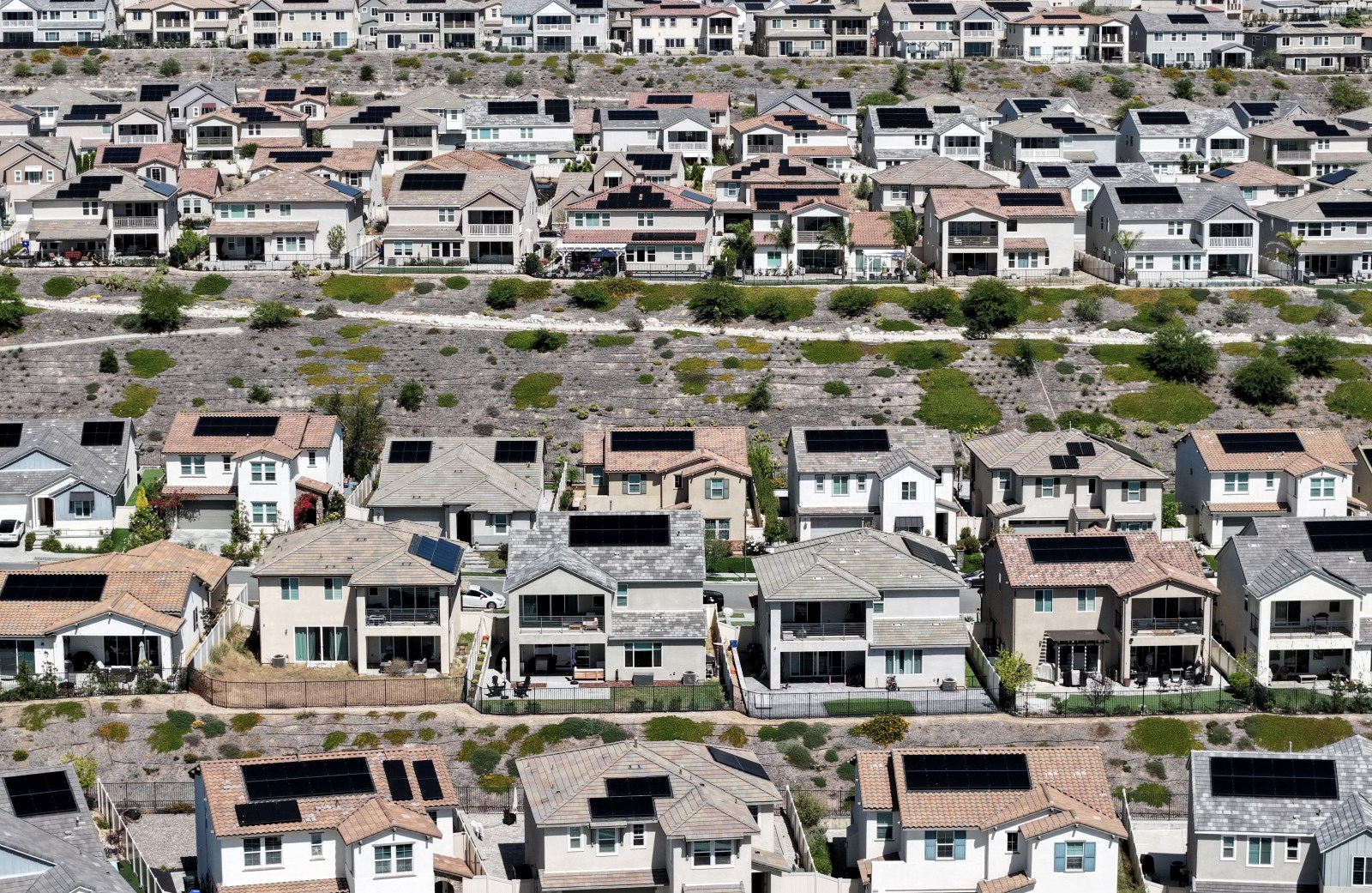
Recent reports of improvement in the cost of living were overshadowed by new data indicating a rise in mortgage rates to their highest level in nearly a year. The weekly national average for a 30-year fixed-rate mortgage increased to 6.55 percent as of the week ending July 16, climbing from 6.49 percent the previous week, according to Freddie Mac. This marks the highest rate since August 2025 and the peak for this year. For context, mortgage rates around the same period in 2025 averaged 6.75 percent, slightly higher than current rates. Predictions at the end of last year suggested 2026 would see much lower rates, potentially ending below 6 percent. Despite briefly dipping below 6 percent in late February, rates began to climb after joint military action by the U.S. and Israel against Iran caused disruptions in the Strait of Hormuz, influencing inflation.
Why Mortgages Are Rising Again
Mortgages are climbing as renewed uncertainty regarding the Middle East situation keeps Treasury yields elevated, despite positive inflation reports, according to Hannah Jones, a Senior Economist at Realtor.com. Escalating tensions after Iran attacked merchant ships in the Strait of Hormuz prompted U.S. retaliation, leading to further financial market volatility. Although U.S. inflation eased last month, dropping to 3.5 percent year-over-year as reported by the Bureau of Labor Statistics, lower oil and gas prices contributed mainly to this decrease. However, as mortgage rates often track the 10-year Treasury yields, they may continue rising alongside oil market instability.
What Americans Can Expect Next
Most experts remain cautiously optimistic about future mortgage rates. Though midyear forecasts suggest modest rate easing in the latter half of the year, current projections remain volatile due to the ongoing Iran situation. President Trump expressed intentions to target Iran’s infrastructure if peace talks do not resume. The immediate consequence of higher mortgage rates is primarily felt by homebuyers burdened with increasing home prices, insurance premiums, and property taxes. The Mortgage Bankers Association reported a 2.7 percent drop in total mortgage application volume last week, with a 7 percent decline in home purchase applications compared to the previous week.
Despite improvements in the housing market—such as cooling prices, increasing inventory, and seller concessions—high borrowing costs persist due to stubbornly high mortgage rates. Homebuyers are advised to focus on finding homes within their budget instead of waiting for perfect rates. Prolonged inflation could pose further issues for President Trump and Republicans as the November midterms approach, with his approval ratings significantly dropping since the prolonged conflict with Iran began. A Washington Post-Ipsos poll revealed only 37 percent of U.S. adults approve of Trump’s job performance, 33 percent support his economic management, and just 29 percent back his conduct in the Iran conflict.