Robert O’Neill Criticizes Maine Senate Candidate’s Controversial Posts
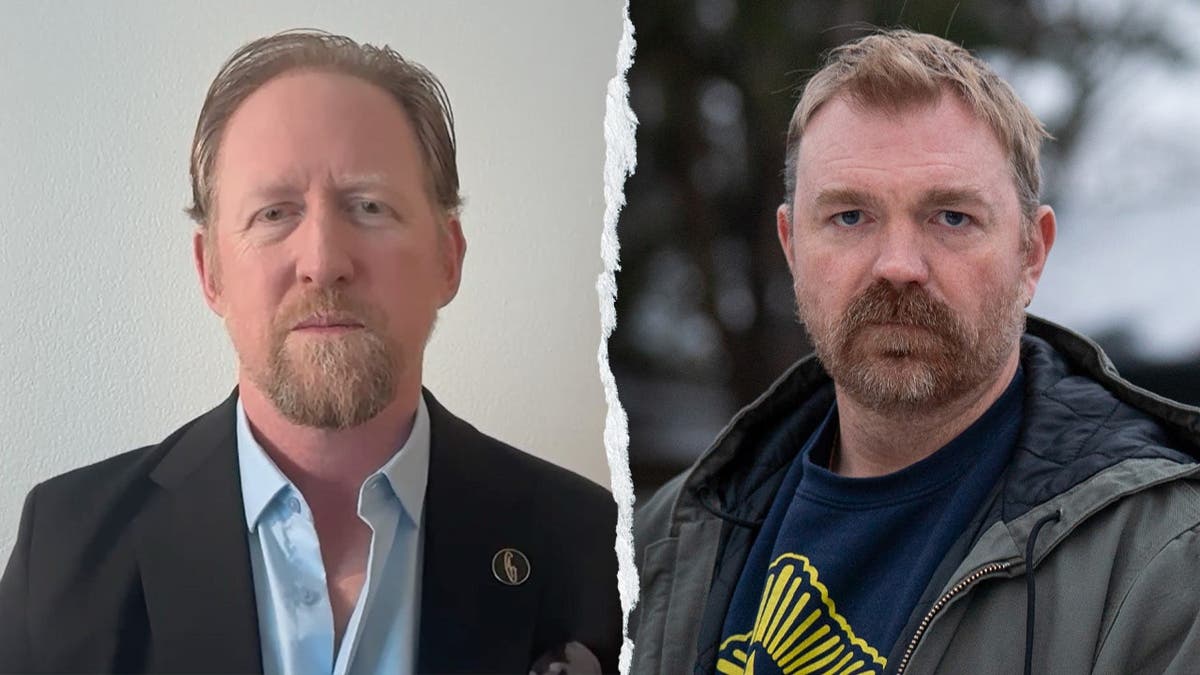
Robert O’Neill, a U.S. Navy SEAL known for killing Osama bin Laden, has expressed his views on controversial social media posts by Maine Democratic Senate candidate Graham Platner. O’Neill reacted to a resurfaced Reddit post where Platner disparaged a soldier wounded in a Taliban clash, stating the soldier ‘didn’t deserve to live.’ O’Neill condemned Platner’s remarks as ‘completely barbaric,’ criticizing the disregard for fellow soldiers regardless of political views. He emphasized the importance of fighting for one’s comrades rather than politics.
Platner has cited his struggle with post-traumatic stress disorder (PTSD) as a reason for his incendiary posts. However, O’Neill described Platner’s statements as ‘vile hatred’ and argued that PTSD should not excuse repeated offensive behavior. O’Neill also suggested alternative therapies for PTSD, such as Ibogaine therapy.
Furthermore, Platner faced backlash over comments about ‘American Sniper’ Chris Kyle, implying Kyle inflated his kill numbers by targeting civilians. O’Neill dismissed this as potentially stemming from jealousy, given Kyle’s renowned status among veterans. Professional jealousy, according to O’Neill, is rare among veterans.
More inflammatory posts by Platner have surfaced, prompting Fox News Digital to report on Democrats avoiding questions on the matter. O’Neill criticized this political maneuvering, suggesting that party loyalty outweighs genuine concern for public opinion. He questioned the silence of prominent Democrats like Chuck Schumer, Elizabeth Warren, and Hakeem Jeffries on the controversy.
Despite Platner’s allies dismissing some posts as harmless ‘locker room talk,’ O’Neill believes Platner’s overall behavior disqualifies him from the U.S. Senate. He referenced Platner’s alleged Nazi tattoo and previous comments wishing harm on soldiers.
O’Neill acknowledged that Platner might be personally struggling and making remarks for attention or under the influence of alcohol. Sharing his own experience with alcohol-related missteps, O’Neill advocated for giving Platner a chance to demonstrate personal growth moving forward, stressing the value of forgiveness.