Rural Communities Face Aging Population Challenges
In North Dakota, small farming towns such as Hebron and Glen Ullin, with many retirees, face ongoing challenges. Despite these, 98-year-old Mae Buchli remains determined to stay put. “We decided we’re not going to move because we want to stay home,” she explained.
Rural America is aging faster than urban areas. The USDA reports that counties where at least 20% of residents are over 65 have nearly tripled since 2010. This trend brings increased health risks related to loneliness and social isolation among seniors.
Eighty-eight-year-old Lynda Hoerauf embraces her rural lifestyle. “It’s so opposite, these little rural towns, from cities and things,” she said. Hoerauf believes rural life, despite its quietness, is irreplaceable. Sundays are the most challenging for her due to the lack of activities.
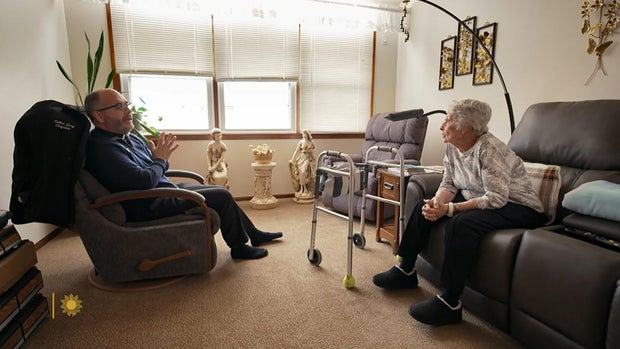
For Father Gary Benz, who grew up on a local farm, if parishioners cannot visit him, he visits them instead. This includes 96-year-old Viola Weinhart.
“It’s helped me, made me more compassionate,” Father Benz shared about how visitations impact his ministry. Weinhart appreciates his visits: “He spends a little time with me each week and fills me in on the latest news, especially on the church.”
In rural areas, one in five adults is over 65. Even if they wanted to move to urban areas for better resources, high costs impede such moves.
The Rural Health Transformation Program, initiated under President Trump’s ‘Big Beautiful Bill,’ allocates $50 billion to improve senior access to healthcare. However, gaps remain that affect these older adults outside of medical services.
“Sometimes older adults, especially in challenging years, get overlooked,” noted Jane Strommen, a gerontology specialist at North Dakota State University Extension in Fargo. Her grassroots efforts aim to help rural seniors.
The Margaret A. Cargill Philanthropies funded a local pilot program called Aging in Community, directed by Strommen. “We’re trying to keep it practical and workable for rural communities,” she said. This initiative encourages neighbors to form a network that supports local seniors.
Kyla Sanders, a retired nurse from rural Montana, coordinates Aging in Community efforts. CBS News captured her delivering a specialized calendar to Mae Buchli—a small act making a significant impact.
Sanders said, “They want to be around other humans, interact, and feel a sense of belonging and value.” For five years, she has traveled less populated areas, assisting with everything from wristwatch repairs to tax filings and organizing community game days.
The NDSU Extension program successfully enhances life quality for rural seniors, offering services beyond what federal healthcare can provide. “Our clients feel more confident living at home and more connected to resources,” Sanders explained.
The program’s success has led to expansion into 12 counties in North Dakota, some classified as “frontier” with very low population density.
During a visit to Lynda Hoerauf’s home, the significance of place became apparent, as she emphasized, “There’s no place like home.”
For more information, refer to the Rural Health Transformation (RHT) Program from the Centers for Medicare & Medicaid Services or consult Jane Strommen at North Dakota State University.