Russian Diesel Shipments to the U.S. Stir Controversy
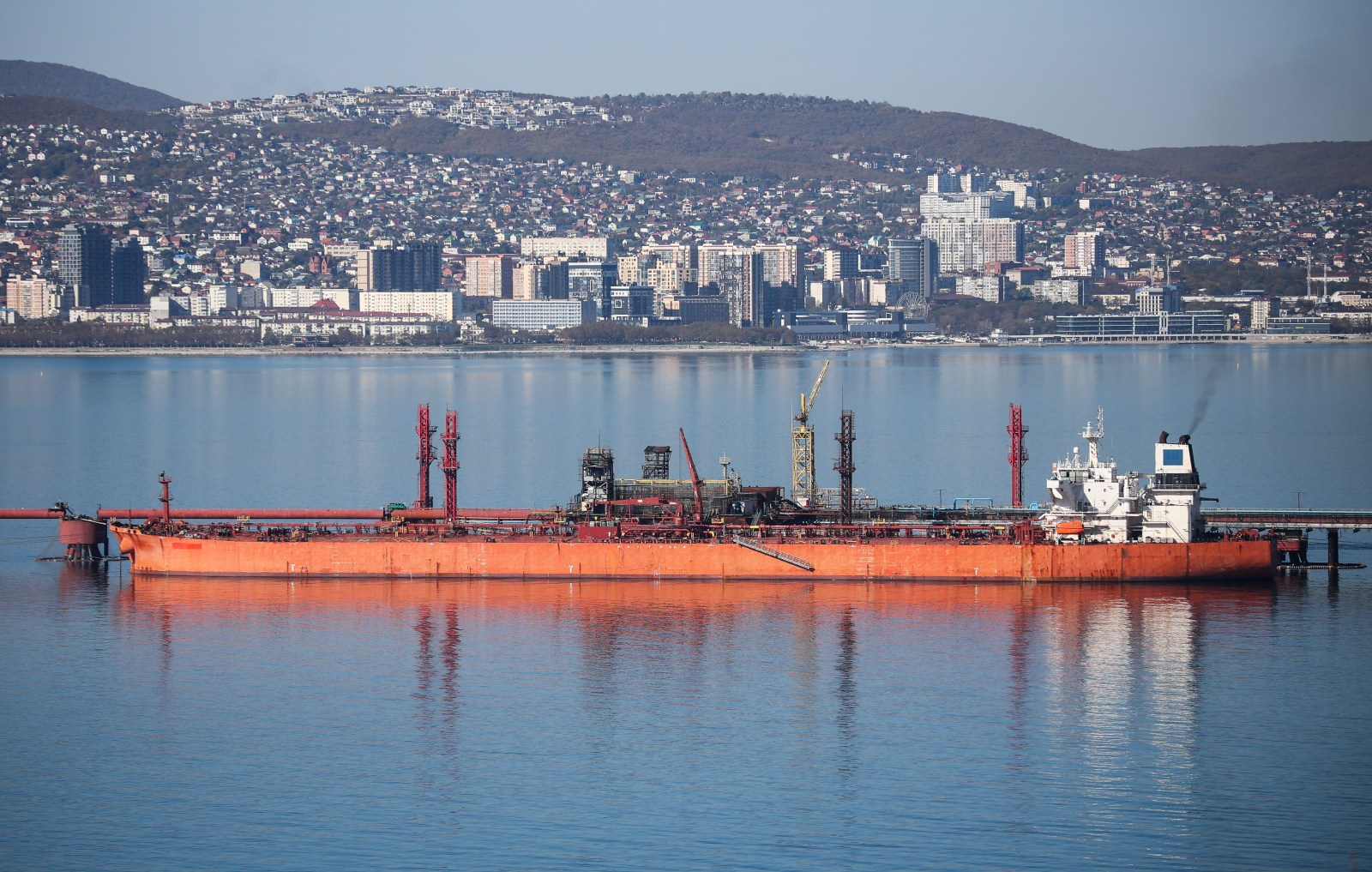
Russian Tankers Head to U.S. Shores
Three tankers carrying Russian diesel are en route to the U.S. This event follows an agreement between U.S. President Donald Trump and Russian President Vladimir Putin to resume fuel shipments. The vessels, named Agioi Fanendes, Leruo, and Talisman, departed from Primorsk between October 16 and 22. They aim to reach the U.S. East Coast between November 7 and 11, as per data from Kpler.
The Agioi Fanendes is likely bound for New York, while the other two vessels are expected along the Atlantic Coast. Together, they carry 924,000 barrels of diesel, a quantity equating to roughly one-third of the U.S. daily transportation fuel consumption.
The Trump-Putin Diesel Agreement
Trump announced the diesel agreement with Putin on October 9. This deal intends to lower fuel prices before the November 3 midterm elections. The U.S. Treasury Department granted a temporary authorization for certain Russian diesel shipments, valid through April 2027.
Trump described the arrangement as a method to bring down costs for American consumers, especially those in agriculture and transport. Initially, more than 300,000 metric tons of diesel were to be provided, with 500,000 added in November. Moscow confirmed the shipments but did not specify the timing or scale of future deliveries.
Vessels Under Scrutiny
The Agioi Fanendes, flagged in Malta, loaded 40,000 metric tons of diesel in Primorsk on October 22. Initially, it targeted New York, but its final destination is now uncertain as it idles off Skagen, Denmark.
The Leruo, under a Sierra Leone flag, loaded diesel on October 16. Previously sanctioned for suspicious activities, it aims for the Atlantic Coast, yet its exact location and destination remain unconfirmed.
The third vessel, Talisman, faces U.S. and EU sanctions. It carries Russian diesel towards the U.S., with an expected arrival date around November 9. Its position is currently in the North Sea.
Political Reactions
The agreement has led to criticism from Ukrainian President Volodymyr Zelensky. He condemns the easing of sanctions, arguing it benefits Moscow during its ongoing conflict with Ukraine. Trump accuses Ukrainian strikes on Russian energy sites for exacerbating fuel issues, urging a change in Ukrainian leadership for peace negotiations.
This deal also faced skepticism from U.S. lawmakers. Republican Senator Thom Tillis questioned its legality. A bipartisan group urged Trump to reconsider, fearing it might support the Kremlin financially without aiding American consumers substantially.
Trump dismissed the U.S. political backlash, suggesting the diesel agreement largely benefits the global market. Analysts remain unsure about the deal’s impact on U.S. diesel prices or global supply shifts.