Russian Influence Operations Target U.S. Elections
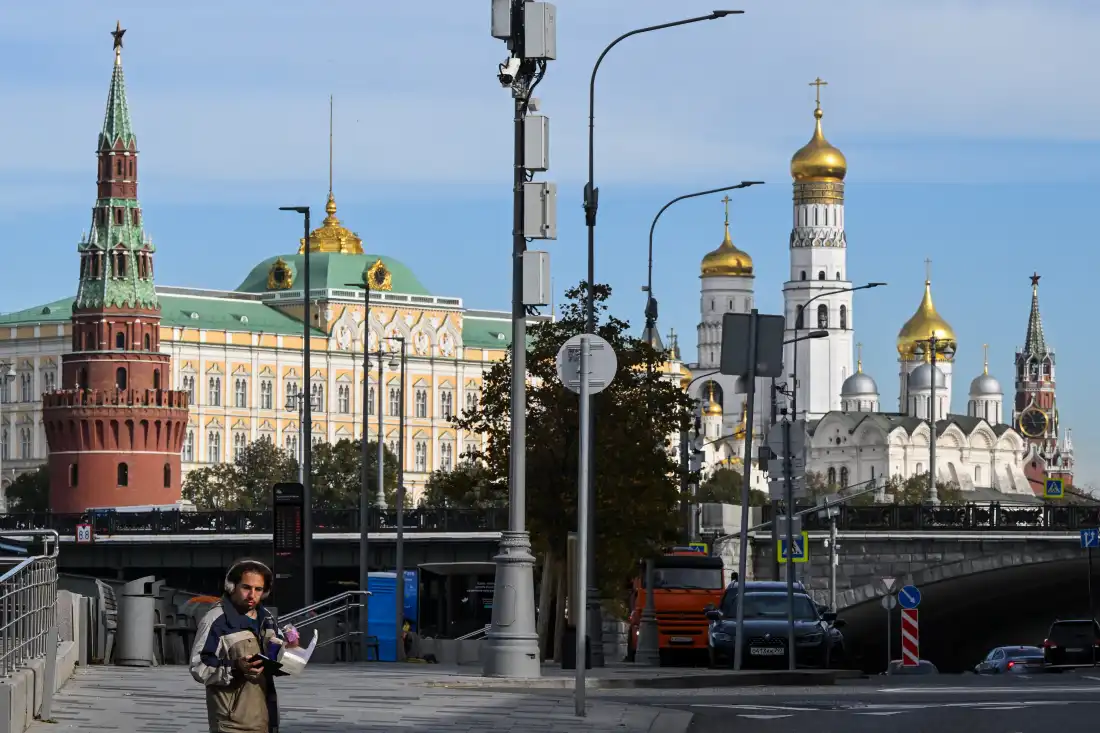
On October 8, 2026, in central Moscow, a pedestrian uses his smartphone with the Kremlin visible in the background. Researchers monitoring online influence operations report that Russian groups, backed by the Kremlin, are renewing tactics aimed at sowing distrust and discord during U.S. and global elections. These tactics include fabricating claims about political candidates, creating AI-manipulated celebrity videos, and crafting fake posts that imitate news outlets to sway American voters in the days before Election Day.
Representative Jim Himes of Connecticut, the top Democrat on the House intelligence committee, remarked, “They’re creating chaos and anarchy,” referring to the deluge of misinformation. The primary objective of these operations is to deepen divisions, erode confidence in democracy, and particularly, to undermine U.S. support for Ukraine. Darren Linvill of Clemson University’s Media Forensics Hub, who studies foreign propaganda, noted that Russia’s focus remains on Ukraine. State media and paid influencers spread divisive narratives, using real people to amplify their content.
A marketing strategy likened to how companies endorse products is employed by Russian operatives who leverage influencers to disseminate misinformation.
A recent operation targeted a Democratic U.S. Senate candidate with baseless accusations. Known as Storm-1516 by researchers, this group produced AI-generated videos featuring actors. These tactics intend to circulate fake narratives through social media accounts, often using unverified profiles. According to Graphika, a research firm, real actors appear in these videos, made to look like others using AI.
One particular post, likely created with AI, was shared by numerous bot accounts and swiftly went viral, garnering over 857,000 views within a day, as reported by Alethea, a threat intelligence company. The activity led to account suspensions by the X platform. Similar fabricated content, like false claims against Democratic figures, emerged during the 2024 presidential election. Russia seeks to mirror existing American narratives to strengthen pre-existing beliefs.
Russia’s operations in 2024 spread unverified stories about Democrats distancing themselves from Israel and false reports of corruption. Lisa Kaplan of Alethea compares Russia to a “dark money PAC,” emphasizing the need to understand the reach and impact of their influence tactics. Intelligence officials have historically observed Russian support for Trump, while targeting Democrats to discourage U.S. aid to Ukraine.
Recently, Rep. Jim Himes and Sen. Mark Warner briefed the media on classified intelligence about foreign election meddling. They highlighted the absence of evidence suggesting capability or intent to alter voting mechanics, although a strong influence environment exists. This Russian involvement in U.S. midterms parallels activities witnessed in European elections using AI-generated content to impersonate politicians and manipulate public perception.
Russia aims to inflame emotions like anger and fear to influence voter turnout,” Kaplan stated, noting the focus on polarizing issues.
Researchers warn of potential misleading content and fake videos in the run-up to Election Day, predicting these efforts will spotlight voting processes. Monitoring continues as Russian strategies persist in targeting democracies worldwide.