Russia’s New Immigration Proposal: A System for Foreign Workers
Proposed Immigration System in Russia
The Russian Interior Ministry has introduced a plan targeting labor shortages with a structured immigrant system. This approach emphasizes legal entry, employment prior to arrival, and departure post-contract. Companies requiring labor will liaise with a government migration service to recruit workers. Contractors are brought to Russia, housed in designated accommodations, and transported between work and lodging. Upon contract completion, workers must return abroad.
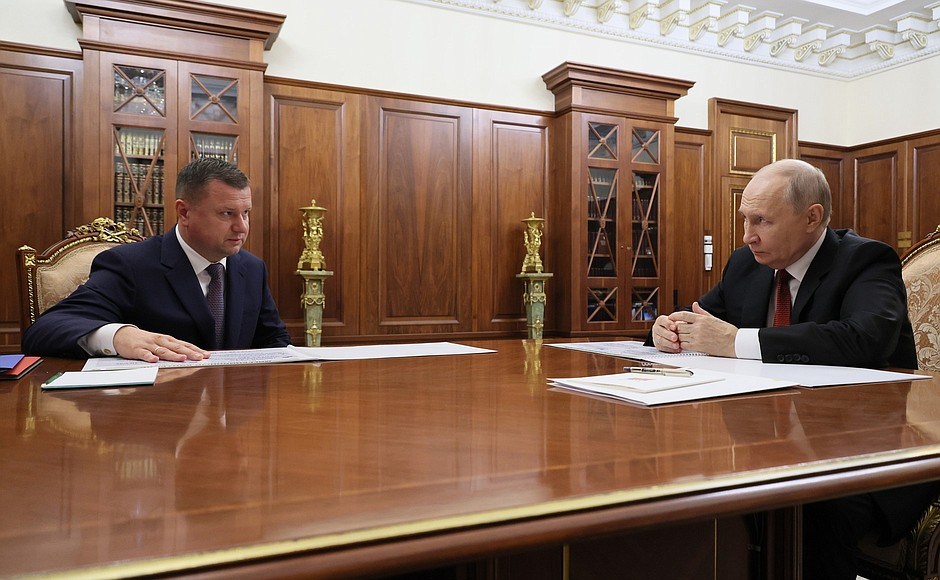
Russia’s first deputy interior minister, Andrei Kikot, presented this model to President Vladimir Putin, who supported it as a “civilized method.”
Current Employment Challenges
The proposal emerges as Russian unemployment rates hit historic lows: 2.1 percent in May, climbing slightly to 2.3 percent. Economic Development Minister Maxim Reshetnikov confirmed Russia’s labor deficit status, worsened by the Ukrainian conflict. Around 700,000 troops are involved, and military demands have drawn workers from civilian sectors. Tragically, an independent investigation highlighted nearly 250,000 Russian military deaths since February 2022.
Aging demographics further strain the workforce. The active workforce aged 30-39 will decrease by 6.3 million by 2030, and 11.5 million retirements are anticipated by 2032.
The Need for Foreign Labor
Foreign workers are crucial to revitalizing Russia’s labor market, yet political strategies oppose such migration. President Putin emphasizes natural population growth over immigration. Since 2024, the State Duma has enacted 22 migration laws, and around 100,000 foreigners faced expulsion in 18 months.
Russia aims to balance these needs by implementing the “home, work, home” system from next year, permitting employers to directly hire, work, and send back foreign labor.
U.S. Immigration Policies and Comparisons
The U.S. relies heavily on immigrants as a significant portion of its workforce. The Bureau of Labor Statistics reports that foreign-born workers constituted nearly 20 percent of the civilian labor force in 2025 amid Trump’s anti-immigration stance. The expansion of H-2B visas allows for increased foreign labor to offset workforce gaps, with temporary H-2A workers climbing to over 398,258 certified positions last year.
Under these H-2 programs, workers’ immigration status is contingent on employment, with housing and transport provided by employers.
Differences in Migrant Workers’ Policies
Unlike Russia’s proposal, U.S. policies offer migrant workers greater flexibility. Biden administration rules permit up to 60 days for job-seeking post-employment, allowing job transition without returning home.
However, recent proposals from the Department of Homeland Security could tighten regulations, retracting the 60-day grace period on several visa categories, excluding those on H2 visas.
Taxation and Education Challenges for Migrant Workers in Russia
A July law indicates higher taxes for foreign workers from 2027. These taxes add 50 percent for each dependent child, potentially doubling a worker’s monthly tax payment. Meanwhile, stricter regulations have made school enrollment for migrant children more difficult, effectively reducing non-working migrant numbers.
Russia’s stern measures are seen as progress, though future U.S. steps suggest possible restrictions for foreign workers.