Scott Pelley’s Departure from CBS: A Deep Dive into the Changing Landscape
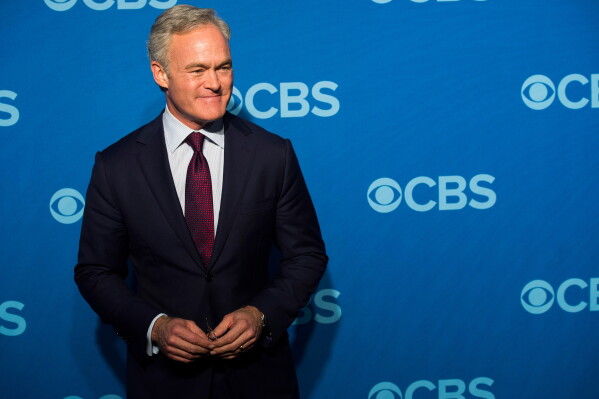
Last Tuesday, Scott Pelley, a longtime correspondent for “60 Minutes,” found himself in an unexpected meeting with CBS News President Tom Cibrowski. Initially, Pelley believed they would discuss an earlier encounter with his new boss, Nick Bilton. However, the presence of Bari Weiss, the news division’s editor-in-chief, came as a surprise. Pelley expected to engage in a dialogue about significant changes at CBS, unaware that he was about to lose his position. The meeting lasted merely ten minutes, leaving him shocked and emotional.
Unforeseen Changes at CBS
Five days before Pelley’s dismissal, widespread changes within CBS News had been announced. Weiss appointed Bilton, a figure with tech column experience but no television broadcast background, as the replacement for executive producer Tanya Simon. This restructuring occurred despite Simon having achieved a nine percent increase in audience growth, a rare feat in broadcast television. Pelley referred to the day of announcements as “Black Thursday,” highlighting the unexpected nature of these developments.
Tight-Knit Relationships at “60 Minutes”
In an emotional interview, Pelley emphasized the close connections within the team at “60 Minutes.” Staff members, many of whom had worked together for decades, viewed each other as family. He described the impact of the changes as similar to losing family members, expressing a profound sense of disbelief and a desire for understanding. The bonds formed during shared experiences, including their presence in dangerous environments, were profoundly affected by the reorganization.
An ‘Insulting’ Email and a ‘Tone-deaf’ Meeting
Bilton’s introductory email to the staff was perceived by Pelley as dismissive. In the email, Bilton implied that the program had not progressed since its inception, making references to outdated prices and attitudes. A later staff meeting further indicated a lack of sensitivity. Bilton read a statement from his phone, seemingly indifferent to the emotions of those present. This approach, coupled with superficial gestures like a spread of bagels, did little to alleviate the team’s concerns.
Leadership Allegations and Bias Concerns
Pelley expressed concerns about leadership advocating biased representations of events. He cited an incident involving the portrayal of protesters in a story about confrontations with federal agents. Pelley and his colleagues resisted changes suggested by Weiss, feeling they introduced political bias. CBS News maintained that suggestions aimed to improve the piece’s accuracy and strength, asserting no political motivation.
Lingering Trust Issues
Pelley revealed he had not spoken with colleagues Lesley Stahl, Jon Wertheim, and Bill Whitaker, who chose to stay at CBS under assurances of working without interference. He questioned the reliability of these promises and speculated on other departures, like Anderson Cooper’s, suggesting the new leadership influenced such decisions. Despite past efforts to maintain the program’s integrity from within, Pelley indicated that the erosion of trust had reached a point where internal influence seemed futile.