Senate Subcommittee Explores Sports Betting Industry’s Challenges
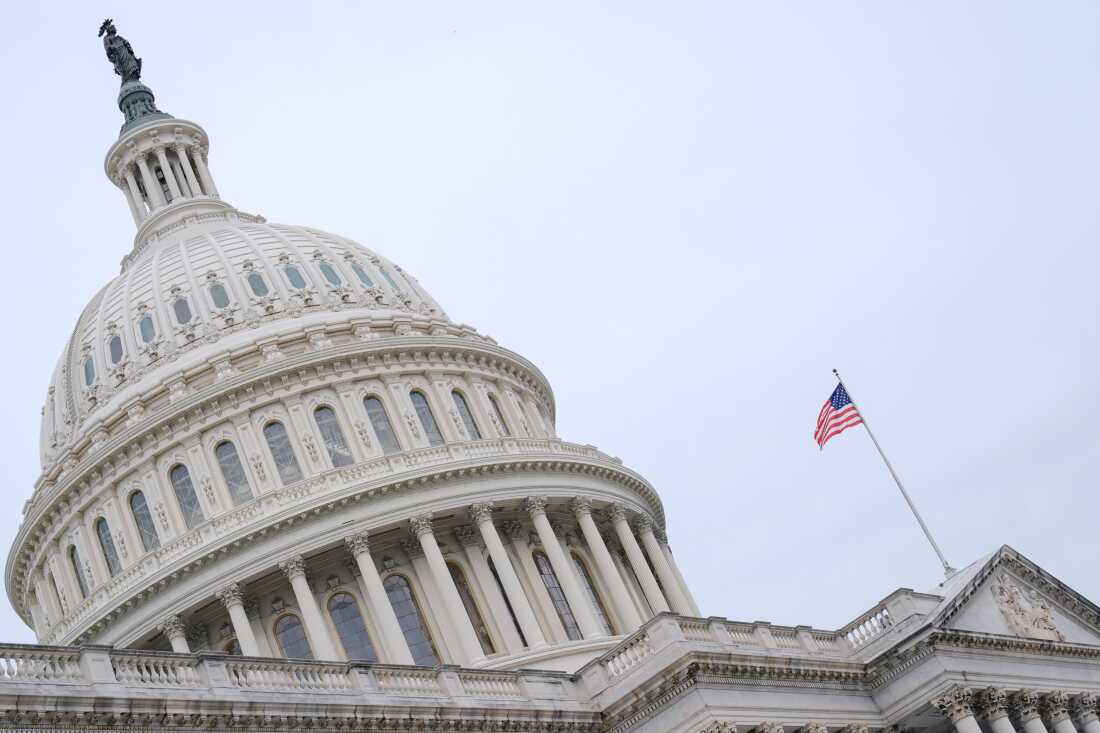
A Senate subcommittee convened on Wednesday to scrutinize sports betting industry officials over the issues of cheating scandals, aggressive marketing tactics, and regulatory challenges. U.S. lawmakers targeted representatives from sportsbooks and prediction markets, emphasizing the need for tighter controls as legalized gambling expands.
Senator Ted Cruz, chairing the Senate Commerce subcommittee, raised significant questions regarding sports integrity and the legal operation of prediction markets. He highlighted instances of game tampering, like allegations against MLB pitchers and canceled UFC fights, stressing the importance of collaboration among leagues, casinos, and regulators to combat such manipulation.
Cruz stated, “These incidents sow doubt in the minds of fans, which is why collaboration is crucial to preventing manipulation.”
Concerns also focused on the marketing practices of platforms such as Kalshi and Polymarket, which allow legal betting on varied topics, including controversial ones. Senator John Hickenlooper expressed worry that advertising could lure young people into gambling problems, noting that sportsbooks require bettors to be 21, whereas prediction markets allow participation starting at 18.
Patrick McHenry, representing the Coalition for Prediction Markets, defended the industry’s policies, noting their effort to exclude underage participants and citing the average user age as 33.
The growth in online sports betting post-2018 Supreme Court decision has been substantial, evidenced by a record $16.96 billion revenue in 2025. Yet, cheating scandals and addiction concerns have prompted calls for stricter oversight.
Harry Levant of the Public Health Advocacy Institute warned of the addiction risks, referencing his personal experiences. He remarked that this is a critical issue transcending political lines.
Levant emphasized, “This is a human issue around an addiction crisis that requires thorough interventions.”
Meanwhile, Bill Miller of the American Gaming Association defended the online gambling industry’s stringent regulations, noting its vital role in the national economy.
Minnesota’s recent ban on prediction markets opens legal confrontation, with more states considering similar measures. Prediction market businesses demand federal oversight as financial products instead of gambling services. The Trump administration supports this, pursuing legal action against restrictive states.
McHenry argued that equating prediction markets with traditional gambling ignores the operational differences. He explained how these platforms rely on participant exchanges rather than fixed casino odds, benefiting from informed participation.
McHenry asserted, “Prediction markets thrive on participation, liquidity, and accurate data, unlike traditional gambling reliant on customer losses.”