Senator Armstrong on Energy Project Delays and Permitting Reform
Oklahoma Senator Alan Armstrong highlights the barriers created by litigation in the development of energy projects. He argues for the necessity of reforming permitting processes to enhance American energy independence. Despite the plentiful oil and gas reserves in the United States, Armstrong emphasizes that outdated procedures and legal challenges impede crucial infrastructure initiatives. He calls for political efforts to overhaul these systems, which can stop billion-dollar projects.
This discussion emerges as Senate Republicans push forward with a major legislative success, advancing a significant bill designed to revise the nation’s permitting framework. The Bipartisan American Affordability and Jobs Act of 2026 (BAAJA) was moved forward by the Senate with strong bipartisan support. After extensive discussions and with input from the White House, a bipartisan alliance adjusted the legislation to its current form.
The comprehensive legislation seeks to accelerate environmental reviews, limit legal interventions, safeguard approved projects, extend the electrical grid, and streamline energy advancements across oil, gas, and renewable sectors. According to Shelley Moore Capito, Chair of the Senate Environment and Public Works Committee, R-W.Va., this bill marks a significant step towards building infrastructure projects with greater speed and efficiency while maintaining robust environmental protections.
“This is a major step toward making it faster and more efficient and easier to build infrastructure projects, certainly without giving up any of the strong protections for our environment,” Capito noted.
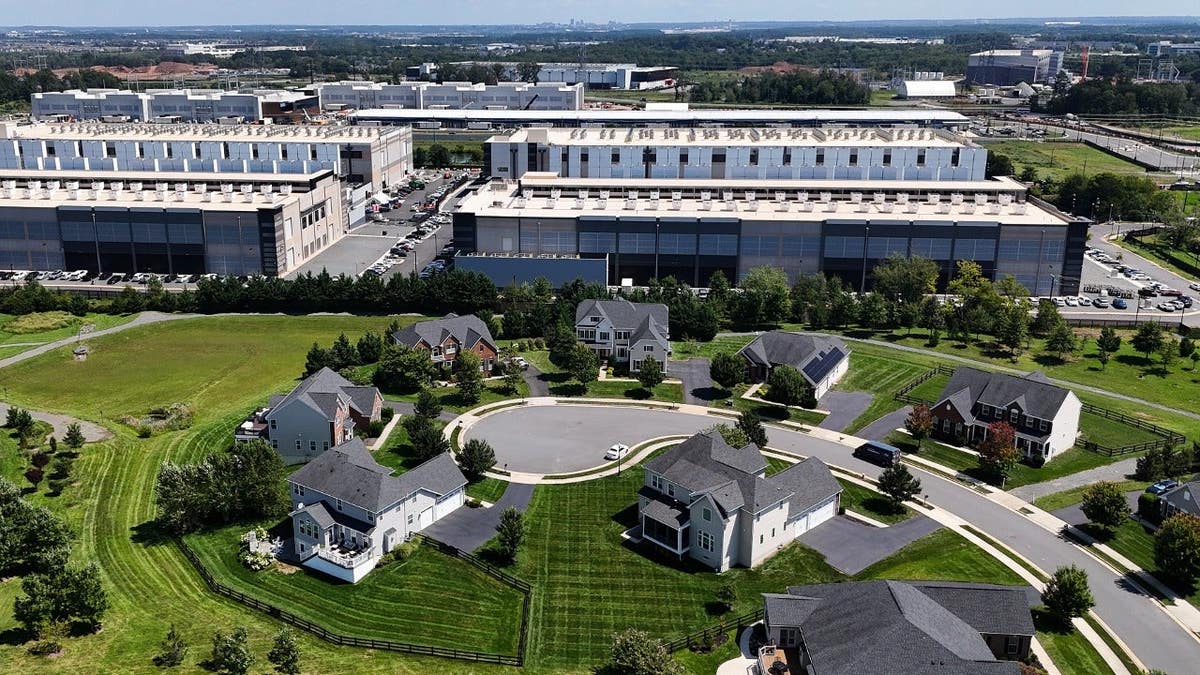
A focal point of the bill includes addressing data center developments, an issue of significant voter concern nationwide. Senator Martin Heinrich, D-N.M., leading the legislative effort, ensured the bill contains clauses to shield consumers from increased costs due to data center developments. His push led to policies mandating that power-consuming centers like factories and data centers bear their additional energy costs by law.
The provisions require data centers with demands exceeding 20 megawatts to cover their additional power costs. They include financial security for construction or enhancements, obligations to cover unpaid costs if they relocate, and permission for states to apply higher rates to lower bills for other customers.
While the bill’s passage through the Senate marks progress, its future in the House remains uncertain. Armstrong, who replaced Homeland Security Secretary Markwayne Mullin and prioritizes permitting reform, expressed cautious optimism regarding bipartisan support in the House but expressed concerns about voter turnout in the lower chamber.
He commented, “A lot of the language that’s in here came right out of a lot of the House’s work. So, I think there’ll be some support. I just hope we have people, you know, show up in the numbers that we need to vote for it.”