Senators Call for Changes to Stabilize Social Security
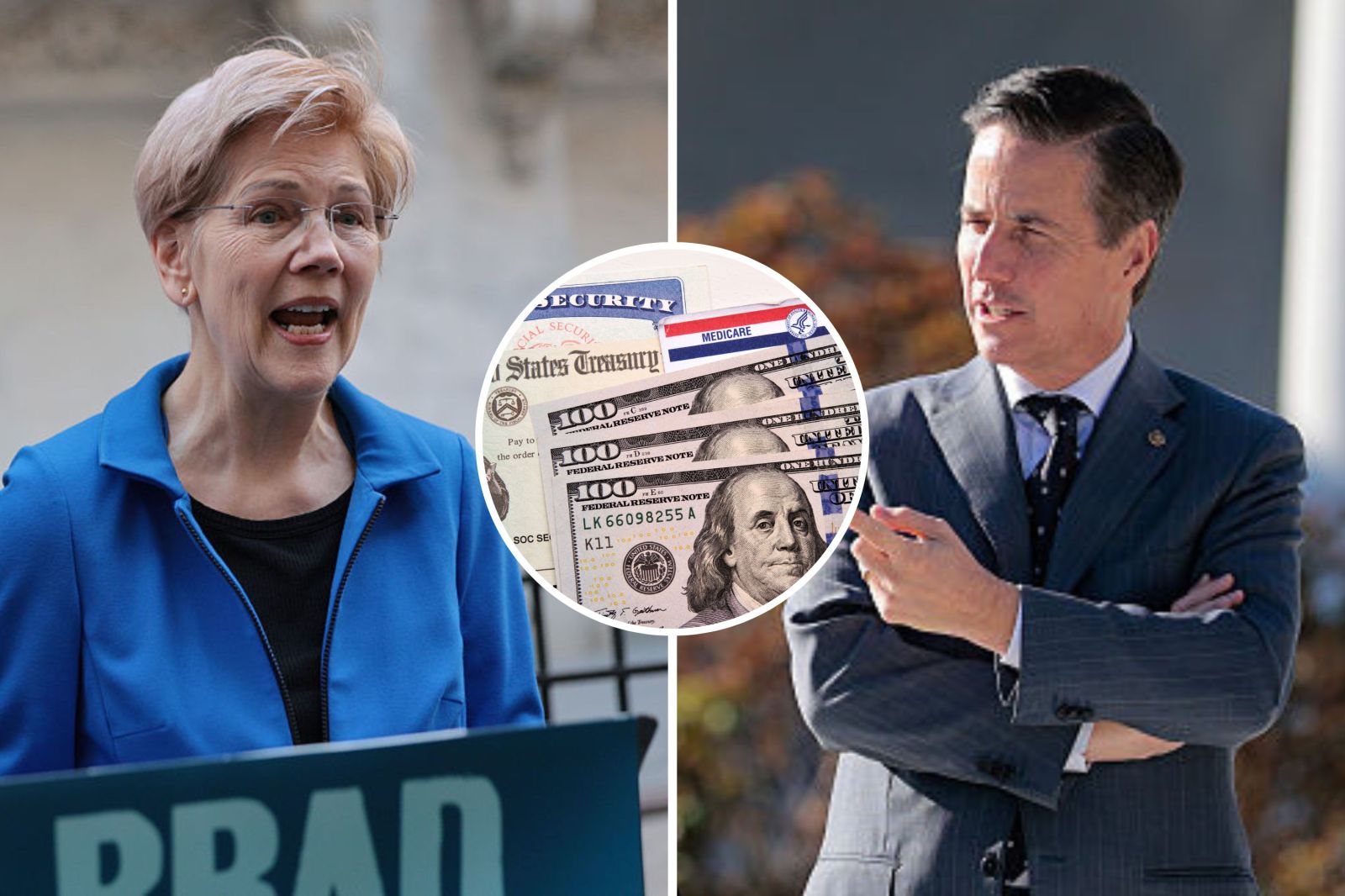
Senators Elizabeth Warren of Massachusetts and Bernie Moreno of Ohio have urged Congress to take action to stabilize Social Security. In an opinion piece for The New York Times, the senators presented a bipartisan plan aiming to secure Social Security for future generations.
They propose removing the cap on income subject to Social Security payroll taxes. Currently, only earnings up to $184,500 are taxed for Social Security, where both workers and employers contribute 6.2 percent. Income beyond this is not taxed, meaning higher earners contribute a smaller share of their total income.
Instead of cutting benefits for retirees who depend on Social Security, it is crucial to take bipartisan measures to maintain those benefits, encourage work, and uphold fairness,” wrote Warren and Moreno. “That begins with raising the Social Security payroll tax cap.”
The senators argued removing the cap would increase revenue and extend the program’s solvency. They described it as a fairness issue, noting most people already pay taxes on all their income, while higher earners only pay on part.
Why It Matters
Social Security benefits millions and is essential for retirement security. However, its financial outlook is deteriorating. The latest trustees report warns the main trust fund could be depleted by 2032, potentially slashing benefits by over 20 percent.
Debate Around the Plan
This proposal is expected to spark debate in Congress, where opinions vary on how to handle the long-term shortfall. Some see lifting the tax cap as a straightforward revenue boost without benefit cuts. Critics, though, caution the change may raise taxes on higher earners and not completely solve the funding gap.
Alex Beene, a financial literacy instructor, remarked, “Warren and Moreno’s initiative to remove or raise the tax cap could bring trillions to the program but would impose a significant tax increase on high earners. Alone, it might not close the long-term deficit.”
What This Means for You
The implications are significant for retirees. Without intervention, benefits might be cut by over 20 percent after 2032. Under proposals like this, higher earners might pay more into the system, but benefits would remain. Legislative action is required for such changes, which could take years.
Drew Powers of Powers Financial Group noted, “If we are to save Social Security, more funds are crucial. Discussions have merely prolonged the issue. This proposal is a step forward, yet tax hikes are seldom welcomed. This faces a challenging journey ahead, but it is important if we prioritize caring for our seniors.”
What Happens Next
Warren and Moreno are crafting legislation to enact their proposal, though specific details remain undisclosed. Changes to Social Security demand congressional approval, a challenging feat due to the program’s political sensitivity.
With the trust fund’s depletion date looming, pressure mounts on legislators from both sides to achieve a solution, whether through tax reforms or benefit modifications.
Beene commented on the proposal, “The bipartisan support adds credibility beyond a usual party-line plan, but approval remains tough as many lawmakers resist raising payroll taxes at any level.”