Senator’s Military Promotion Blockade Sparks Political Debate
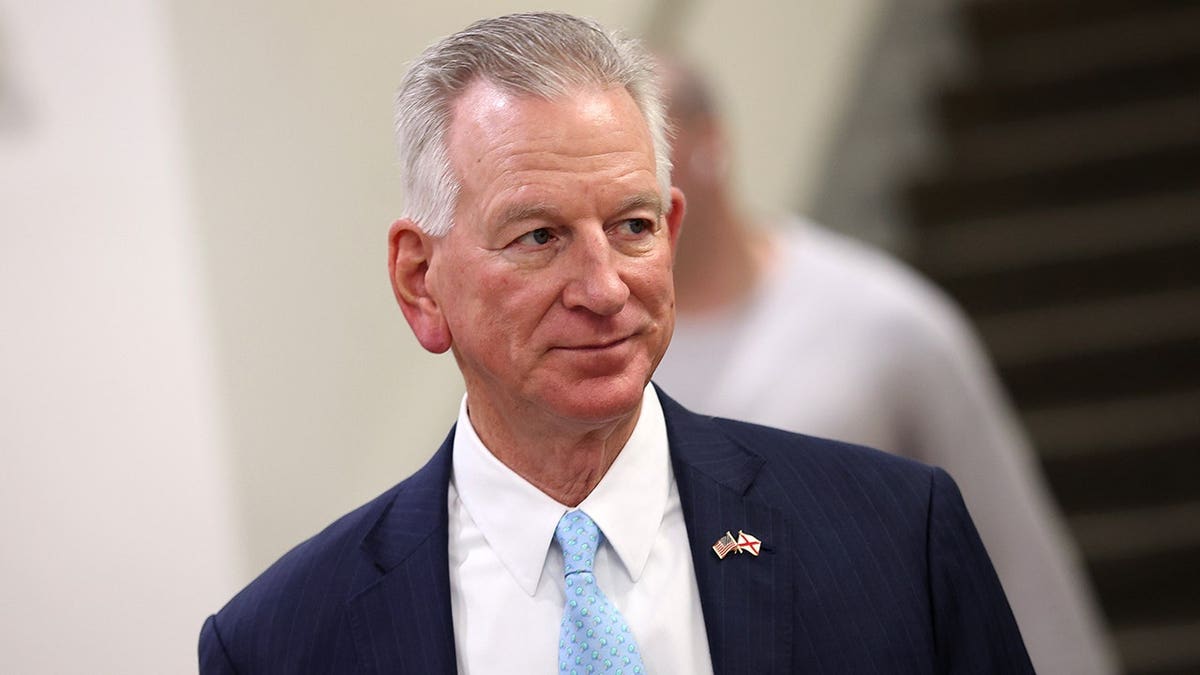
Earlier this year, a significant political event unfolded involving Alabama Senator Tommy Tuberville that drew attention across party lines. In February 2023, Tuberville put a hold on military promotions to oppose a Department of Defense policy. This policy was intended to cover travel expenses for service members seeking reproductive healthcare across state lines.
This blockade by Tuberville had a far-reaching impact, delaying the promotions of over 400 senior military officers. These included many colonels and Navy captains who were waiting on promotions to general or flag rank, for nearly ten months. This situation, dubbed the “Tuberville Blockade,” affected the planned career paths of numerous officers from the Army, Air Force, Marine Corps, and Navy.
The impact of this move was significant, unsettling the previously mapped-out careers of both awaiting officers and higher-ranking generals and admirals. Eventually, Tuberville succumbed to mounting pressure from fellow senators across both parties. After intensive meetings, he rescinded his blanket hold, acknowledging he was affecting officers with commendable service records.
The actions of Tuberville have sparked discussions about the potential political consequences of such blockades. Many look to the precedent set in 2023, reminding voters of the implications. Tuberville is likely to run for governor of Alabama. Observers hope he will take lessons from this episode into his potential governorship.
In Michigan, a contentious Senate primary saw radical leftist candidate Abdul El-Sayed emerge. Critics argue against his position regarding the State of Israel and the U.S. military. He aligns with controversial figures like Hasan Piker, attending campaign rallies together. El-Sayed advocates for a comprehensive arms embargo on Israel, crossing into both offensive and defensive weapons, such as Iron Dome interceptors.
This stance places him among the few candidates outspoken against U.S. military support for Israel. His views cast him as a potential disruptor in the Senate, drawing parallels with Tuberville’s 2023 approach. Michigan voters must consider the broader implications of such political tactics when they vote in the upcoming election cycle.
Despite the concerns, El-Sayed argues for stringent enforcement of laws conditioning military aid and sales. Yet, his position remains controversial, sparking debate over national security interests.
As political dynamics evolve, the Michigan Senate race stands out as pivotal this year. Republican volunteers willing to support candidate Mike Rogers are seen as contributing to a critical cause—protecting national security.
In summary, the political scene is intensely charged with these elections, as voters weigh the implications of electing candidates like Abdul El-Sayed, who hold extreme positions impacting the country’s armed forces.