Serbia’s Political Shift: Vucic Concedes to Student-Led Movement
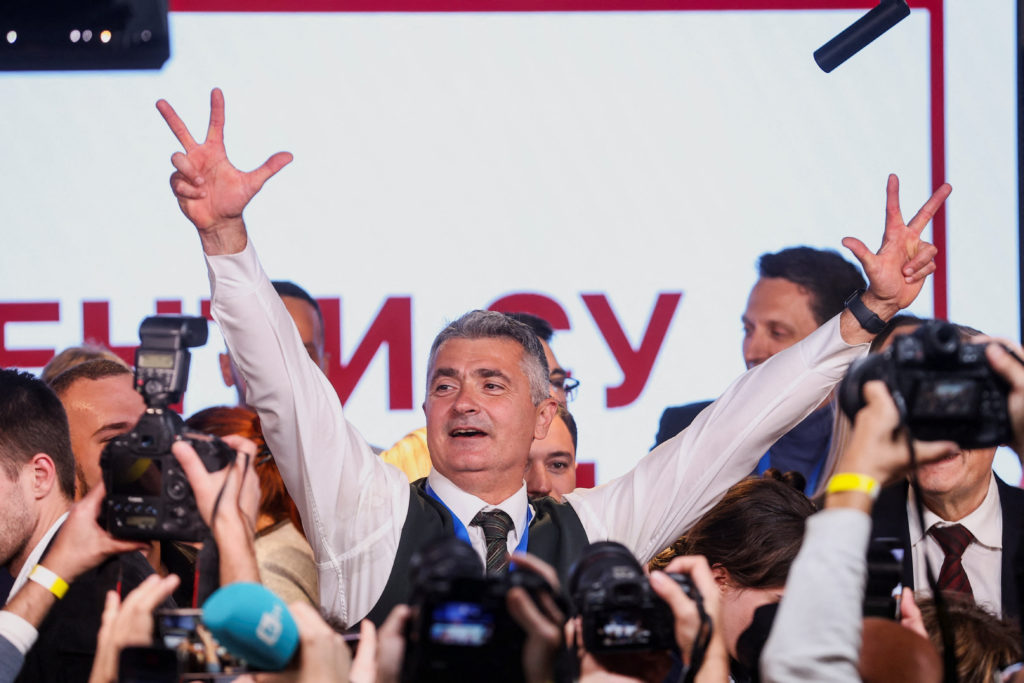
The long-standing leader of Serbia, Aleksandar Vucic, has accepted defeat in the latest election. This election was a significant event, showcasing a shift in the political landscape as a student-led opposition movement took the lead against Vucic and his right-wing party. This change marks a turning point in Serbia, where Vucic maintained control for 14 years with strong support from Russian President Vladimir Putin.
Following the announcement of the results, citizens celebrated in the streets of Belgrade and other cities. This high-stakes parliamentary election, characterized by substantial turnout and growing tensions, pitted Vucic’s Serbian Progressive Party against emerging student activists challenging the government’s authority.
Election Outcome
Serbia’s voters were tasked with electing members to the 250-seat Parliament. In acknowledging the election results, Vucic projected that the Students’ List would secure 135 to 140 seats, leaving around 105 for his party. He attributed the loss to Serbia’s independent media and alleged foreign interference, accusing unnamed European nations and the “American deep state.”
Vucic stated that approximately 1.7 million votes went to his party, while the Students’ List received around 2.2 million. The streets of Belgrade filled with honking cars and jubilant crowds, many chanting “Aleksandar is gone.” Supporters dismantled the pro-Vucic camp that had dominated a central park in the capital.
Protests and Public Unrest
The day of voting saw tensions rise, with police in anti-riot gear stationed near the central Belgrade election commission. The security presence was significant, with groups of black-clad men at several city locations.
Vucic, who resigned as president to campaign, had seen his support wane after a tragic incident in 2024. A concrete canopy collapse at a train station, resulting in 16 deaths, spurred widespread protests against alleged corruption and cronyism in government infrastructure projects.
Student Movement and Campaign
The Students’ List movement emerged as a robust opponent, showcasing a non-partisan campaign aimed at rebuilding democracy and boosting Serbia’s economy. It featured candidates from various backgrounds, reflecting a departure from traditional political figures.
This youth-driven movement resonated with voters disillusioned by conventional politicians, and echoed a recent similar electoral outcome in Hungary, signaling potential implications for other European nations.
EU and Election Oversight
Observers noted that voter turnout could reach 70%, a level unseen since 2000. The European Union closely monitored these elections due to Serbia’s candidacy for EU membership. Concerns about election fairness were raised, citing irregularities such as vote buying and media control.
Serbia’s past elections experienced issues, with incidents of violence against journalists and activists. Independent monitors reported irregular activities, underscoring the need for free and fair elections in upholding democracy.