Shifting Dynamics Between the U.S. and Israel Post-Conflict
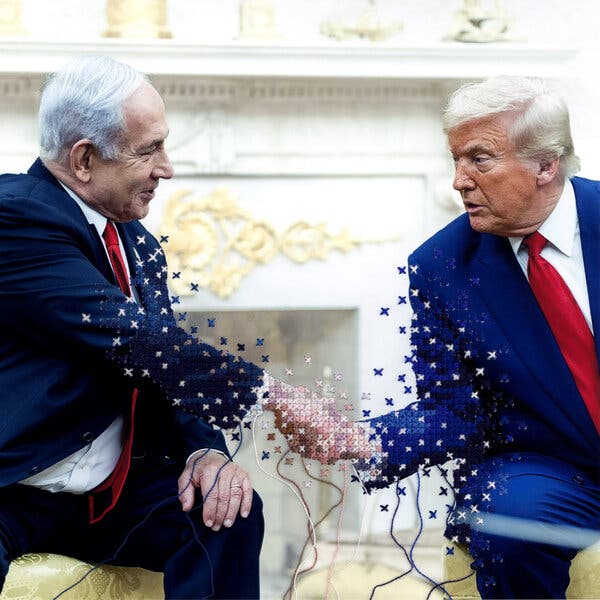
In the aftermath of the October 7, 2023, Hamas attack, Israel faced significant vulnerability. The nation’s leadership, particularly Prime Minister Benjamin Netanyahu, responded by setting an extremely high standard for success: invincibility. This vision led Netanyahu to promise ‘total victory’ and to initiate a campaign that brought substantial destruction to Gaza.
Following the operations in Gaza, Netanyahu turned his focus to confrontations with Hezbollah in Lebanon, the Houthis in Yemen, sections of Syria, and Iran. His administration sought to wage warfare without any internal or external constraints, making perpetual conflict a new norm for Israel. Support for Israel increasingly aligned with endorsing this security strategy.
Amid these developments, Israelis have noticed a growing rift between the Trump administration and the Israeli government. This distance has been highlighted through incidents such as President Trump’s rumored critical remarks to Netanyahu in June over tensions in Lebanon, where he allegedly described Netanyahu as ‘crazy’ and noted widespread dislike for him. Additionally, Vice President JD Vance has actively worked to temper Israel’s actions.
While Netanyahu himself has maintained a façade of calm, his allies in Israeli media have vocalized their displeasure. Right-wing TV host Yinon Magal labeled Vance with derogatory terms, while another Netanyahu supporter expressed shock at Trump’s dealings with Iran. A poll conducted in Israel following the U.S.-Iran agreement reflected a marked decline in Trump’s approval among Israelis.
It’s early to definitively declare a fracture in the U.S.-Israeli relations or between the leaders of the two nations. However, the relationship stands at a challenging juncture. Historically, Israel has enjoyed a substantial role in U.S. politics and maintained military and economic supremacy in the region due to U.S. support. This status, along with the strength of the pro-Israel lobby, is presently uncertain. Israel’s expansive military investments have not yielded the expected outcomes, particularly in Iran.
Vice President Vance’s comments emphasize this shift. In a conversation with Times Opinion columnist Ross Douthat, Vance criticized Israel’s far-right ministers for their stance on the Iran deal, stating, ‘You can’t just kill your way out of solving every single national security problem that you have.’ During a press briefing, Vance further remarked, ‘If I was in the cabinet of the Israeli government, I might not be attacking the only powerful ally that I have anywhere left in the entire world.’