Canada’s Promising World Cup Performance Signals New Era
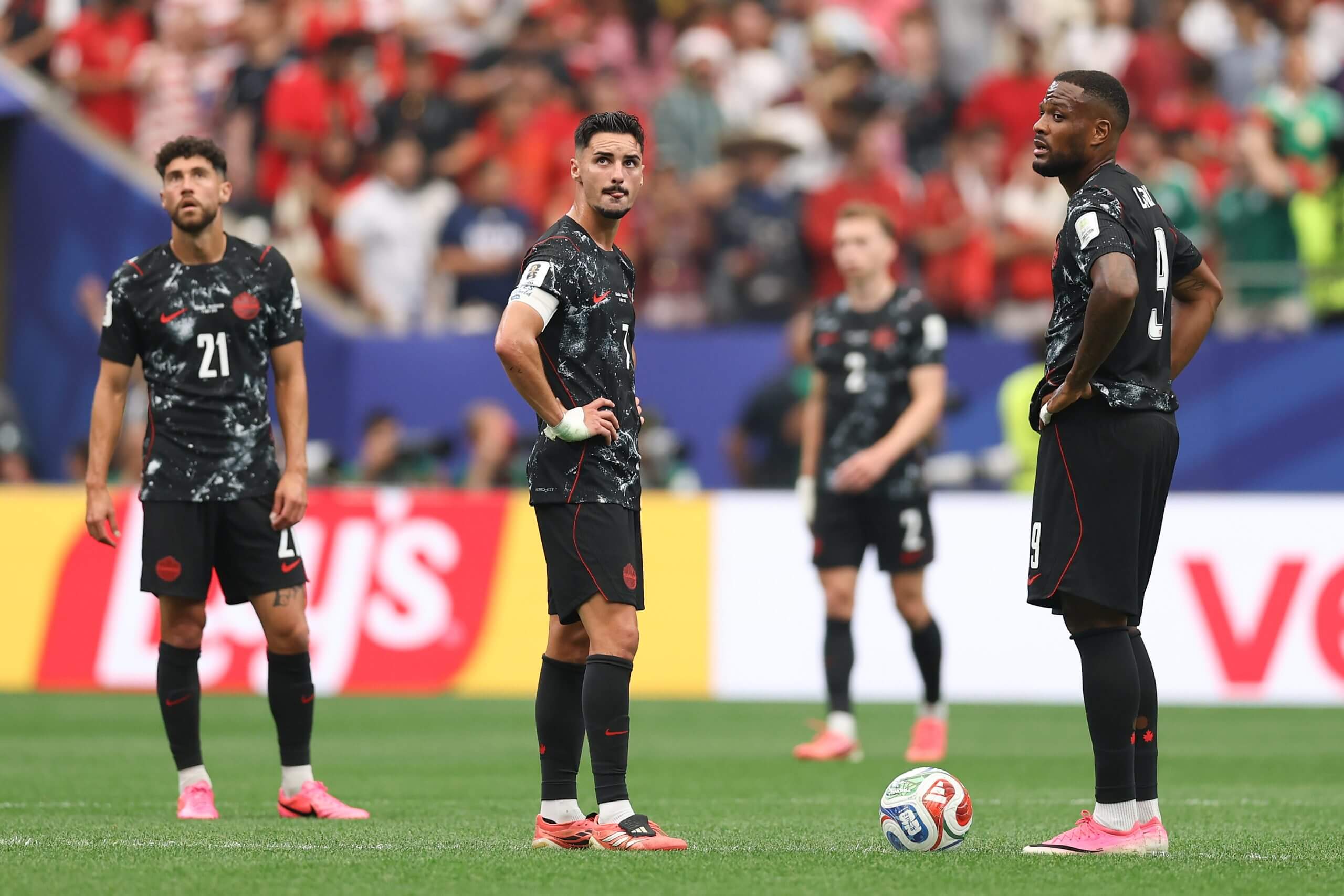
In Houston, Canada’s performance against Morocco at the World Cup displayed significant growth compared to their previous outing in Qatar four years ago. During the first half, Canada’s aggressive play made them contenders against Morocco, reflecting a team that seemed at home among international soccer powerhouses.
Midfielder Stephen Eustaquio shared the remarks of head coach Jesse Marsch, labeling the first half as one of the best performances he had overseen. Despite Morocco’s three goals in the second half, which ended Canada’s journey in the round of 16, the tournament was a success for Canada.
“(Head coach Jesse Marsch) said to us that probably that was the best first half he ever coached with us.”
In the 2022 World Cup, Canada finished near the bottom, overwhelmed by the competition. This time, their performance shifted public perception positively. Alistair Johnston reflected on the team’s fearless playstyle, noting they aspired to play in a manner that embodies Canadian teams across all sports.
The match against Morocco highlighted both Canada’s potential and areas for improvement. They exhibited strong individual performances and dictated the game’s tempo in the first half, although they fell short on execution. For example, Tani Oluwaseyi had a crucial opportunity early in the game, but a timely save by Morocco’s goalkeeper Yassine Bounou prevented Canada from taking control.
Eustaquio emphasized the importance of seizing such opportunities to influence the match’s dynamics. While Canada excelled against teams like Qatar, converting chances remained a challenge. thus, developing more adept forwards is a priority for Marsch looking towards the 2030 World Cup.
Less than four years ago, Canada was near the bottom tier of World Cup teams with zero points in six matches. But this year, despite the loss to Morocco, they showed characteristics of future success like disciplined game management and a clear tactical identity. Canadian players such as Luc de Fougerolles and Moise Bombito demonstrated readiness for leadership roles in upcoming tournaments.
Richie Laryea praised standout performers like de Fougerolles, stating that these efforts set a new standard for the team and the country. With investment in local talent through the Canadian Premier League and increased European participation, Canada is expected to emerge from the group stage consistently in future World Cups.
“It’s a great tournament from the entire team. We had some individuals that stood out as well that were called upon and did a fantastic job.”
With expectations and pressure rising, Marsch acknowledged the challenge and opportunity of competing in such environments. Canada’s stirring World Cup run, highlighted by defeating South Africa in the round of 32, inspired a nation once unfamiliar with such sporting excitement.
The impact of Canada’s World Cup journey was evident in the rise of television ratings and national engagement. Eustaquio saw this as a sign of the team reaching a higher competitive tier, requiring adaptation to thrive further.
Although defining Canada as a ‘soccer country’ remains complex, the team’s World Cup presence captured the national imagination. Their multiculturalism always provided a platform to support international teams, yet now they can rally behind their own with pride.
Johnston summed up the tournament succinctly, “Canada played with heart, resilience, and honesty, characteristics reflective of the nation.” This World Cup established a new era for Canadian soccer and likely a national expectation for success in future events.