South Dakota’s Historic Gubernatorial Primary Runoff
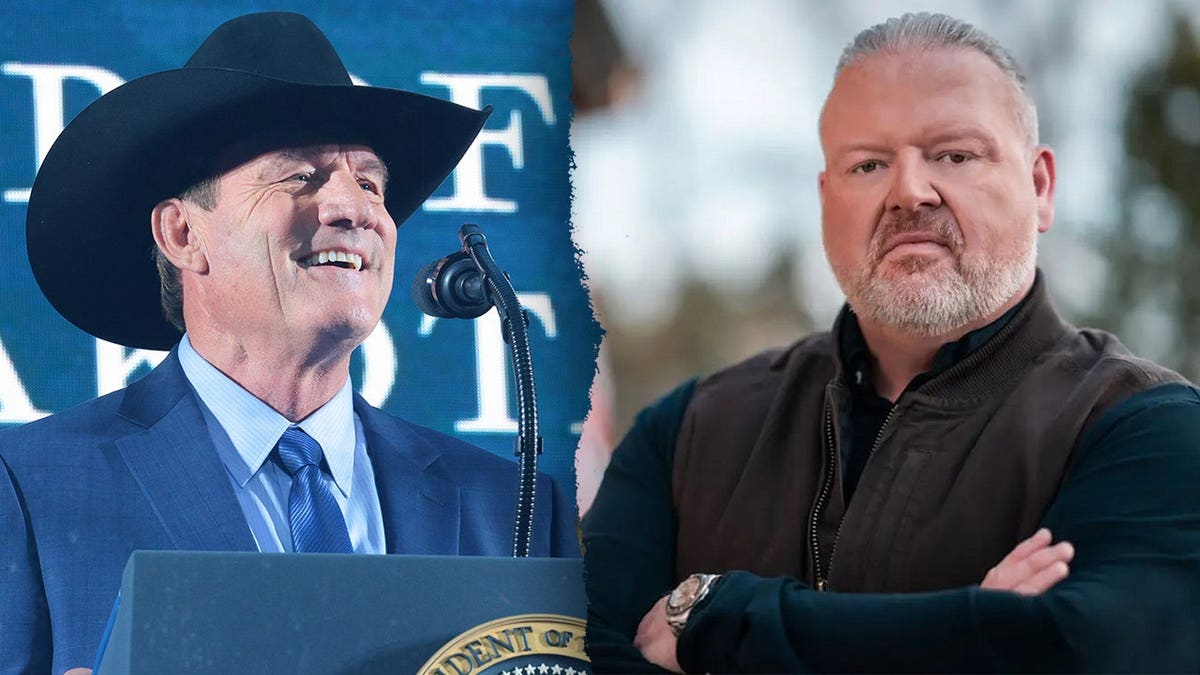
On Tuesday, South Dakota Governor Larry Rhoden successfully defended his position against Toby Doeden, a businessman known for his advocacy of Bitcoin. Rhoden emerged victorious in the state’s first-ever gubernatorial primary runoff, ensuring his participation in the upcoming November general election. The Associated Press announced Rhoden’s triumph shortly after the polls closed, reporting he secured 70.5% of the vote while Doeden managed only 29.5%. At the time of the announcement, about 25% of the expected vote was counted.
South Dakota’s recent election represents a significant milestone as voters were required to determine a gubernatorial nominee through a primary runoff. According to state law, such a runoff is necessary when no candidate for governor, U.S. Senate, or U.S. House attains at least 35% of the primary vote. During the June primary, Doeden garnered 30.6% of the vote, with Rhoden trailing at 25.2%. Despite leading, both candidates failed to reach the 35% threshold necessary for an outright nomination.
Rhoden ascended to the governorship in early 2025 following Kristi Noem’s departure to serve in the Trump administration. In contrast, Doeden entered the political scene as a novice and businessman. His reputation as a Bitcoin advocate is well-known. He shared that he committed significantly to Bitcoin investment from late 2020 after spending 500 hours researching the cryptocurrency. He converted nearly all available cash reserves from his companies into Bitcoin.
Doeden has supported legislative measures permitting the South Dakota Investment Council to invest in Bitcoin, which manages pension funds and other state investments. He also proposed establishing a state Bitcoin reserve, a plan that faced opposition from state investment and budget officials.
With his victory, Rhoden will now contend with former Democratic state Senator Dan Ahlers in the November election. Notably, South Dakota has lacked a Democratic governor since Harvey Wollman assumed the role in 1979, following Richard Kneip’s resignation. Kneip’s re-election occurred in 1974, marking the last time a Democrat won the office.
The campaign preceding Tuesday’s runoff was heavily influenced by debates over property taxes. Doeden advocated for the elimination of property taxes, whereas Rhoden’s campaign criticized this proposal as financially irresponsible, asserting it would result in funding deficits for local governments and schools. Rhoden’s campaign emphasized other tax relief initiatives enacted in March, highlighting what they describe as the “largest” property tax reduction in state history.
Throughout the campaign, Doeden accused Rhoden of being part of South Dakota’s established political landscape. He argued that career politicians dismissed the idea of an outsider prevailing against experienced officeholders. Rhoden dismissed these comments, alleging Doeden was attempting to exploit the career-politician narrative. He emphasized that his legislative experience provided valuable insight into law-making and its real-world implications.
President Donald Trump refrained from offering his endorsement in the runoff. However, he acknowledged Rhoden in his July 3 speech at Mount Rushmore, albeit without specifically addressing the gubernatorial race. Doeden identified as a staunch Trump supporter, pledging to advance Trump’s ‘America First agenda’.